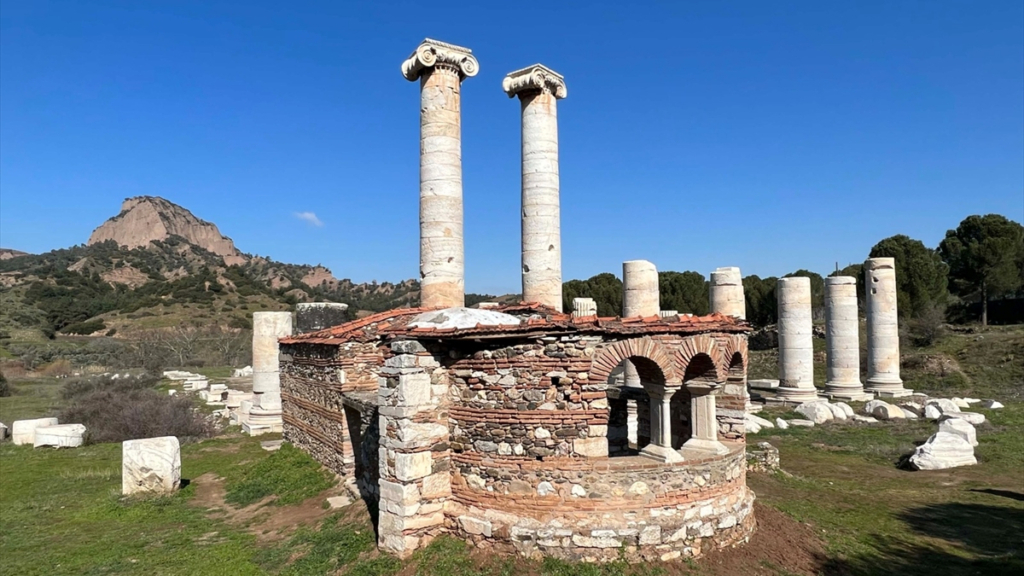

The inclusion of Sardis Ancient City and the Bin Tepe Lydian Tumuli in the UNESCO World Heritage List was met with great joy in the city of Manisa. This significant development honors the region’s deep historical value and creates new opportunities for cultural tourism and archaeological preservation, as part of the Turkey Historical Studies 2025 initiative. Moreover, this recognition brings global attention to Sardis’s contributions to ancient civilization, highlighting key historical event details and reinforcing Manisa’s historical heritage.
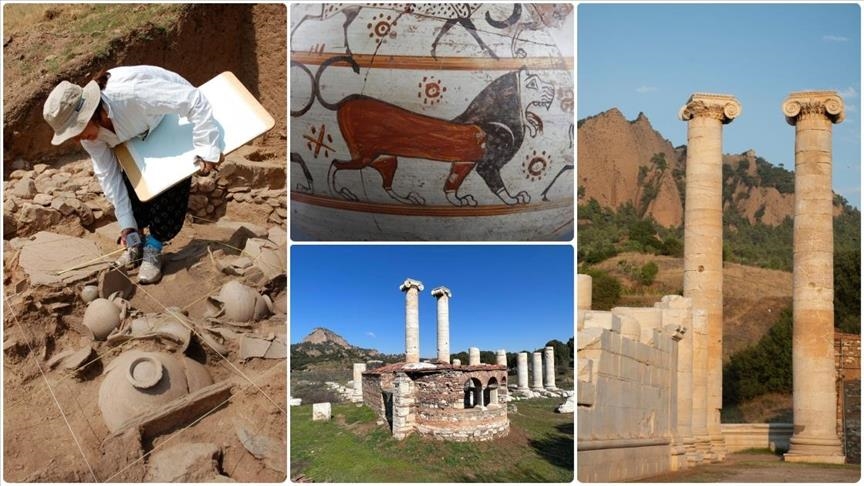
Capital of the Lydian Kingdom
The Historical Context of Sardis
Located in the Salihli district of Manisa in western Turkey, Sardis served as the capital of the Lydian Kingdom during the 7th and 6th centuries BCE. The city rose to prominence under King Alyattes and reached the height of its wealth and influence under his son, King Croesus (Kroisos), whose name became synonymous with prosperity.
Sardis holds a unique place in world history as the first city where state-guaranteed coinage was minted using electrum, a naturally occurring alloy of gold and silver. This revolutionary step in economic development laid the foundation for modern financial systems and transformed commerce across the ancient world.
Cultural and Economic Achievements
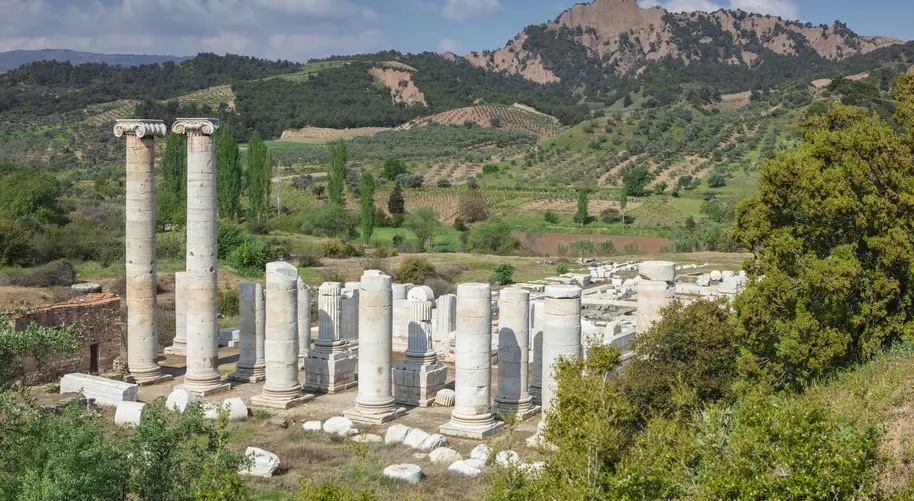
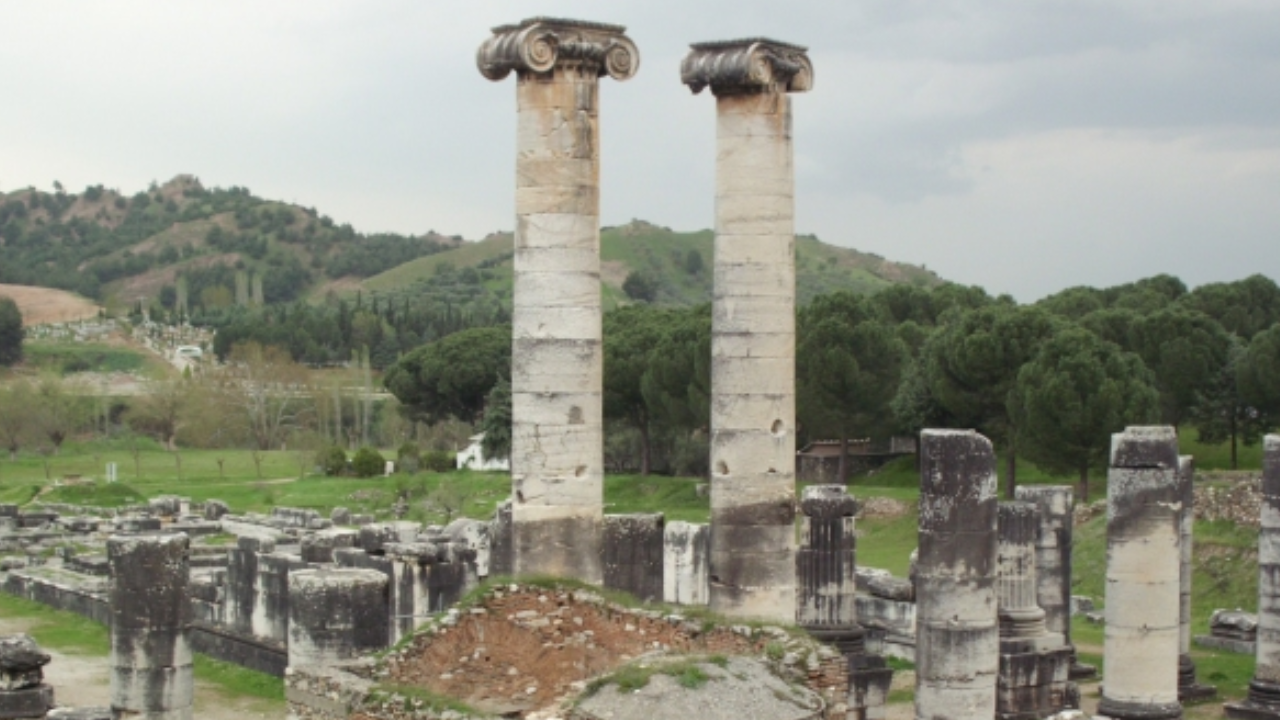
Aside from its economic innovations, Sardis was also a cultural and religious center. The city was home to the grand Temple of Artemis, one of the largest Ionic temples of the ancient world. The Artemis cult played a central role in Lydian spiritual life, and archaeological excavations have revealed complex religious rituals and architectural sophistication.
Furthermore, Sardis was a hub for textile production and craftsmanship. Historical evidence suggests that fabric dyeing techniques, particularly with royal purple, were pioneered here, adding another dimension to the city’s legacy as a place of firsts.
From Tentative to Permanent Status
A 12-Year Wait
Sardis and the Bin Tepe tumuli were placed on the UNESCO Tentative List in 2012. Over the following twelve years, teams of archaeologists, historians, architects, and conservation experts collaborated to fulfill UNESCO’s criteria for Outstanding Universal Value (OUV). Their work included detailed documentation, restoration of key structures, environmental management, and local community engagement.
The long-awaited moment arrived on July 6, 2025, when the UNESCO World Heritage Committee convened in Paris. Sardis and Bin Tepe were unanimously accepted, marking a triumph not only for Turkey but for global heritage preservation.
What Are the Bin Tepe Lydian Tumuli?
A Royal Necropolis
The term Bin Tepe, meaning “Thousand Hills,” refers to an expansive necropolis located west of Sardis. This burial ground contains more than 100 tumuli, or ancient burial mounds, constructed between the 7th and 6th centuries BCE for Lydian royalty and elite families.
Some of these tumuli are monumental in scale, with diameters exceeding 300 meters and heights up to 50 meters. These structures symbolize the social hierarchy of ancient Lydia and reflect its funerary customs, cosmological beliefs, and engineering capabilities.
Archaeological Significance
The tumuli have yielded rich archaeological finds, including gold jewelry, decorated pottery, and remnants of wooden burial chambers. These artifacts offer deep insights into Lydian burial practices, elite lifestyles, and their connections with neighboring Anatolian and Mediterranean cultures.
The tumuli are often compared to other iconic royal tombs such as the Egyptian pyramids and the Macedonian tombs of Vergina, showcasing their global significance.
Voices from Manisa
Local Reactions and Cultural Identity
Locals in Manisa, particularly in the Salihli district, expressed pride in the UNESCO recognition. Kadir Durmaz, president of the Salihli Tourism Association, emphasized the importance of this achievement for local tourism, stating, “It is a blessing for Salihli and Sardis. This will boost our visibility on the world stage.”
Visitors like Feray Tanı noted the potential for increased international tourism: “Now we need to invest more in promoting the region so that travelers from all over the world can discover it.”
Youth Engagement and Education
Young residents have also shown enthusiasm. Eleven-year-old Arjin Gezer remarked, “I love visiting Sardis. It helps me understand how people lived in the past. It makes me happy to know this place is now protected for the future.”
The site has become a focal point for local educational programs, encouraging students to connect with their cultural roots and understand the value of heritage conservation.
Preserving the Past, Building the Future
Government Initiatives and Global Partnerships
The Turkish Ministry of Culture and Tourism has launched several new initiatives to preserve and promote Sardis and Bin Tepe. These include:
Reinforcement of site protection measures
Expansion of visitor infrastructure and multilingual guide services
Collaborations with universities and international institutions for research and training
Promotion campaigns aligned with Turkey Historical Studies 2025
These efforts aim to ensure long-term sustainability and accessibility of the site, while also supporting cultural diplomacy.
Responsible Tourism and Community Impact
Tourism development is being approached with sustainability in mind. Emphasis is being placed on responsible tourism practices to protect the archaeological integrity of the sites while maximizing economic benefits for local communities. New jobs, cultural festivals, and artisan markets are among the positive side effects already being observed.
A Global Victory Rooted in Turkish Soil
The recognition of Sardis Ancient City and Bin Tepe Lydian Tumuli as a UNESCO World Heritage Site is far more than a ceremonial honor. It is a reflection of Turkey’s lasting contributions to the development of human civilization. The decision validates years of academic research, cultural advocacy, and community effort.
For Manisa and Salihli, this milestone is not only a celebration of the past but a powerful commitment to protecting it for the future. As interest grows from across the globe, Sardis stands ready to share its timeless legacy with the world.