

In a landmark decision that could reshape the travel landscape for millions of Turkish citizens, the European Commission has officially approved a new Schengen visa regulation on July 15, 2025. This policy introduces a phased multi-entry visa program specifically aimed at low-risk Turkish travelers with a proven history of legal travel within the Schengen zone. The news, hailed as a game-changer by immigration experts and political analysts, signals a major shift in EU–Turkey relations.
This article explores the key takeaways from the new visa reform, analyzes its potential impacts on Turkish citizens and European consulates, and discusses the broader implications for Turkey–EU diplomacy.
Understanding the New Regulation
The European Commission stated that the new visa facilitation policy is designed to reduce administrative burdens on consulates and prioritize high-risk applications while rewarding compliant travelers. The system introduces a tiered visa issuance model, allowing eligible Turkish citizens to receive Schengen visas valid for 6 months up to 5 years, depending on their travel history.
Keyword Focus: [Economic Indicators] data, [Istanbul] economic mobility, Turkey EU Relations 2025
This represents the most significant modification to the Schengen visa framework for Turkish nationals since the implementation of the Visa Code in 2010.
Who Is Eligible?
According to the European Commission document, only Turkish citizens who have previously held a Schengen visa and used it legally—without overstays or violations—are eligible. The reform does not apply to first-time applicants. Here’s how the multi-entry timeline works:
6-month visa: Available to those applying within 1 year of a previously expired Schengen visa
1-year visa: Granted if the traveler held a 6-month visa and applies within 2 years
3-year visa: Given if the traveler held a 1-year visa and applies within 2 years
5-year visa: Issued after a valid 3-year visa and application within 2 years
This laddered system offers a clear incentive structure and builds trust between applicants and EU member states.
Where Will It Apply?
The multi-entry Schengen visa reform is applicable in 25 EU countries including Belgium, France, Germany, Greece, Italy, Netherlands, Spain, and Sweden, among others. Notably:
Denmark may opt out due to its separate legal arrangement.
Ireland is not part of the Schengen area and is officially exempt.
This broad implementation suggests strong EU consensus on the matter, despite ongoing debates about Turkey’s EU accession status.
Exceptions and Restrictions
The regulation comes with several important caveats:
If the passport expires within 3 months of the visa’s end date, the visa duration will be adjusted.
The policy does not cover professional drivers, especially Turkish TIR (freight) operators who frequently apply for work-related short-stay visas.
The regulation only applies to applications submitted within Turkey to EU consulates.
Economic and Diplomatic Implications
From an economic standpoint, the reform could boost Turkish tourism and business travel, especially from metropolitan hubs like Istanbul and Ankara. More predictable and longer visas may lead to:
Increased short-term investments in real estate and retail in EU cities
Stronger business ties between Turkish SMEs and European partners
Greater mobility for students and academics
Diplomatically, this move might signal an EU willingness to re-engage with Turkey on migration, customs union modernization, and human rights dialogues.
Did You Know? According to 2024 data, Turkish citizens submitted over 900,000 Schengen visa applications, with nearly 20% rejection rates. The new regulation could lower this figure dramatically.
Schengen Visa Durations
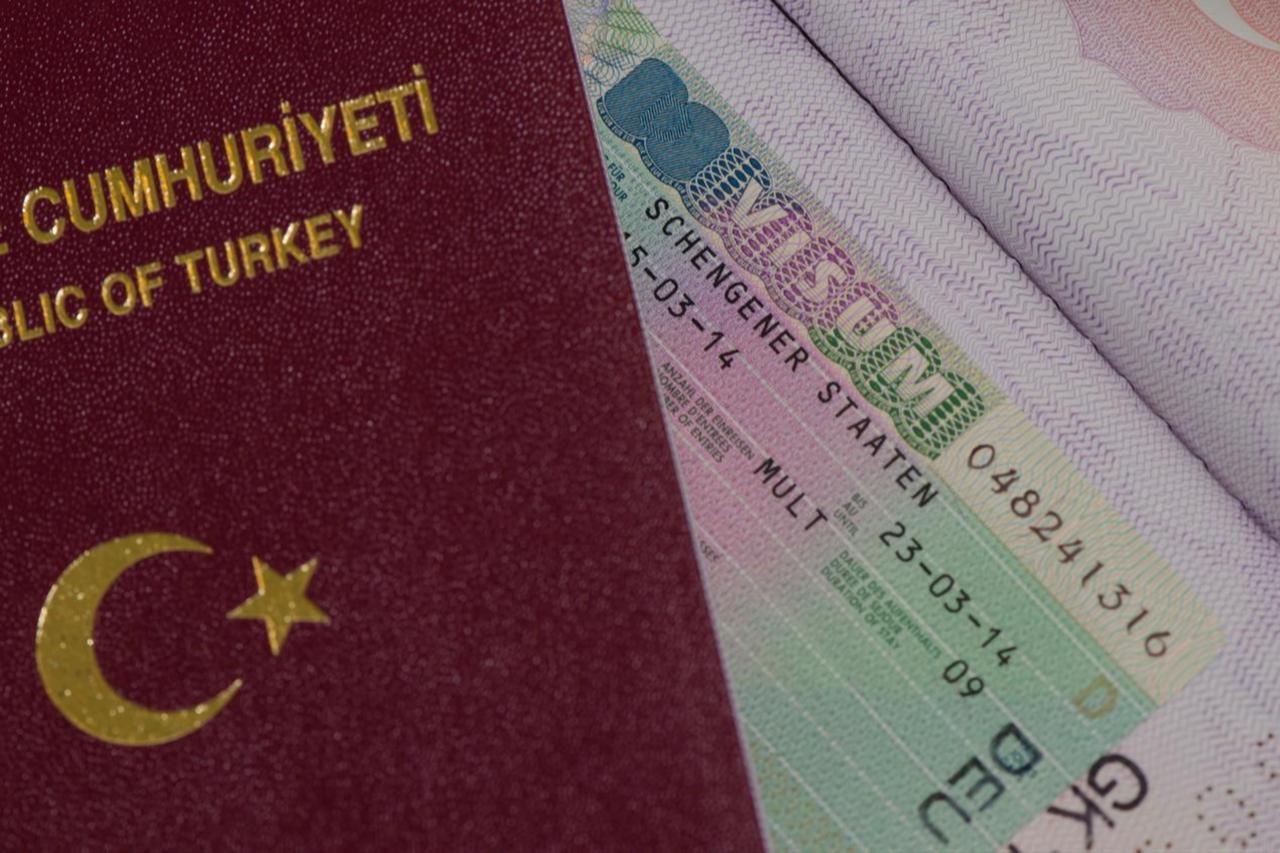
Below is a simplified breakdown of the new visa duration system for Turkish applicants:
Mixed Reactions from the Public
While many Turkish citizens have welcomed the decision as a step toward visa liberalization, others remain skeptical, citing:
Continued bureaucratic delays at some consulates
High visa fees and long appointment wait times
Lack of clarity on exact documentation requirements
In addition, human rights organizations argue that true visa liberalization should include first-time applicants and address systemic bias in rejection practices.
Expert Commentary
Legal expert Prof. Dr. Ayşe Kara comments:
“This reform is significant in both symbolic and practical terms. It establishes a merit-based system that rewards responsible travelers while also easing the load on EU consulates. But much will depend on implementation at the national level.”
Looking Ahead
The phased Schengen visa reform could serve as a pilot for wider EU reforms regarding short-term mobility, digital applications, and AI-based risk profiling in visa processing.
If successful, it may lead to:
Broader visa reciprocity discussions
Enhanced digital ID integration across borders
Better bilateral trust in migration policy