
Türkiye and Iraq have initiated a new round of negotiations aimed at developing a comprehensive energy cooperation framework, according to information obtained by Anadolu Agency. The upcoming agreement is expected to cover not only the existing crude oil pipeline infrastructure but also a wide array of collaborative opportunities in hydrocarbons, petrochemicals, electricity generation, and cross-border energy trade.
This shift toward a more expansive energy partnership reflects the evolving dynamics in regional geopolitics and energy markets. The goal is to move beyond transactional oil transit arrangements and instead lay the foundation for a strategic, long-term alliance in the energy sector.
A Multi-Layered Energy Vision
The new collaboration model is set to include:
Joint projects in crude oil and natural gas exploration and development,
Shared investments in hydrocarbon fields,
Petrochemical and refinery partnerships,
Large-scale projects in electricity production and transmission,
Enhanced multidimensional trade in petroleum, natural gas, and electricity.
This shift signals Türkiye’s intention to expand its regional energy influence by transforming bilateral transit agreements into value-added strategic collaborations. For investors and market observers, this change opens up significant opportunities in infrastructure financing, energy logistics, and joint technology deployment.
Revisiting the Iraq-Türkiye Crude Oil Pipeline
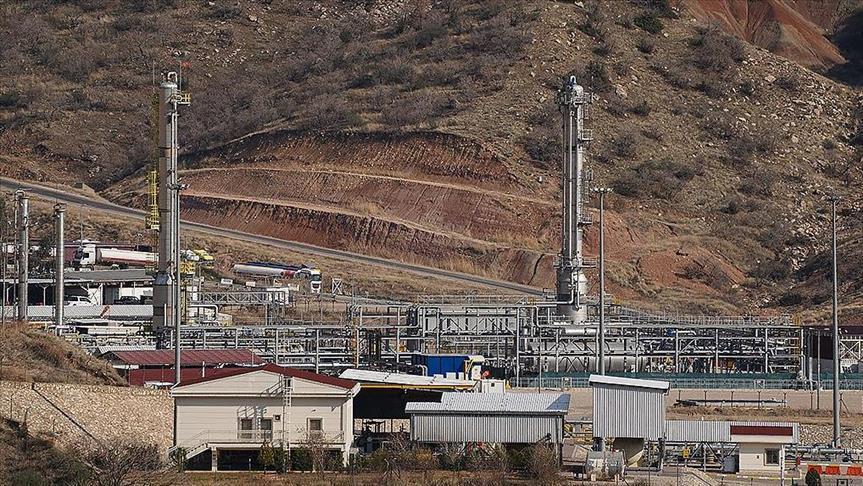
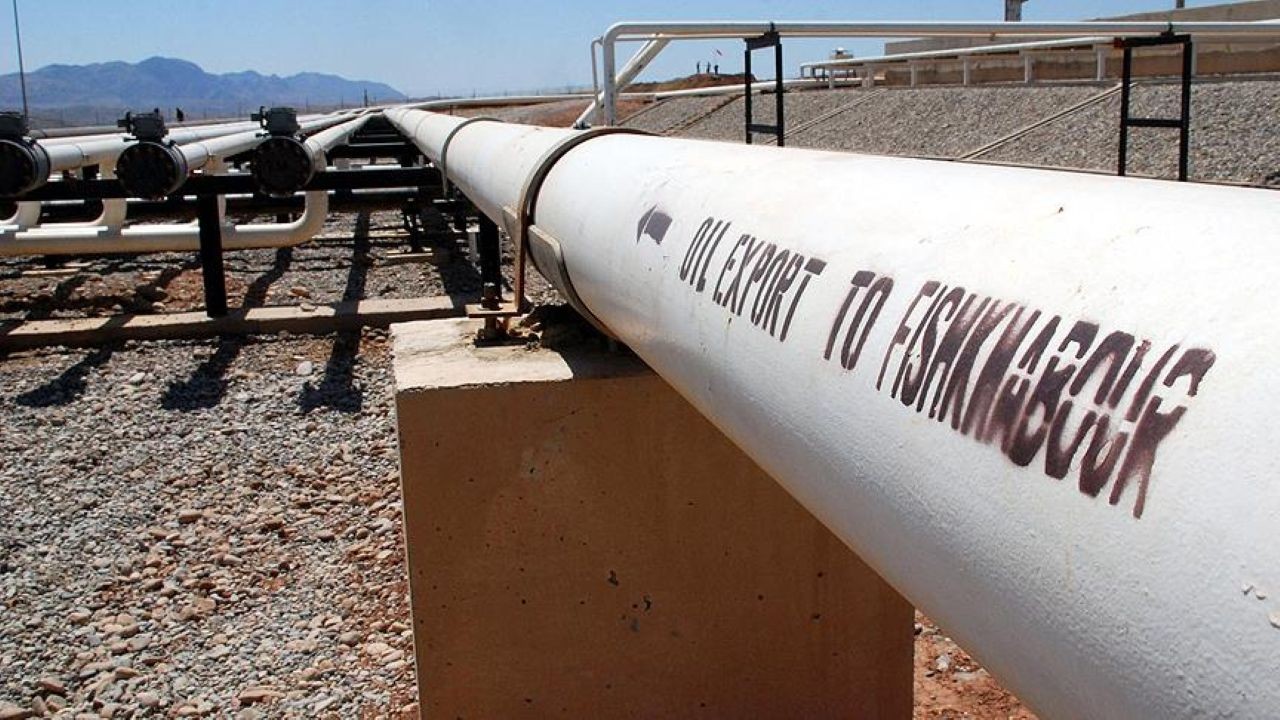
First established in 1973 and renewed in 2010, the Iraq-Türkiye Crude Oil Pipeline has long served as a cornerstone of bilateral energy ties. Spanning from northern Iraq to the Mediterranean port of Ceyhan, this pipeline has historically played a crucial role in transporting Iraqi crude oil to global markets.
However, with changing geopolitical realities, increased regional competition, and evolving legal frameworks, the current pipeline agreement has reached its structural and commercial limits. Recognizing these constraints, Türkiye and Iraq have agreed to terminate the existing agreement by 27 July 2026, as announced in the Official Gazette following a Presidential Decree.
This termination paves the way for a new and modernized legal structure, one that better accommodates the demands of today’s energy markets and the ambitions of both nations.
Capacity and Expansion Outlook
The current pipeline system comprises two major conduits with a combined daily capacity of 1.5 million barrels, operating through the BOTAŞ Ceyhan Terminal. Looking ahead, discussions will also focus on how to allocate export capacity to Iraq within this system, in alignment with both market demand and technical feasibility.
Experts believe that upgrading this infrastructure and integrating it with regional storage and refining facilities could significantly boost throughput efficiency. This is especially relevant as Iraq seeks to diversify export routes and Türkiye aims to strengthen its role as a regional energy hub.
Legal, Commercial, and Strategic Factors
Several factors are driving the need for a renewed framework:
Legal Alignment
Existing agreements are based on dated provisions that may no longer comply with contemporary international trade law, particularly in dispute resolution and commercial arbitration.Market Evolution
Both Türkiye and Iraq face new challenges: changing demand patterns, OPEC quotas, and price volatility. A flexible, responsive agreement is needed to match current energy economics.Regional Politics
The energy corridor between Türkiye and Iraq is not only a commercial route but also a diplomatic bridge. Expanding cooperation could contribute to broader regional stability, especially if the agreement includes dispute mitigation frameworks.
What This Means for Energy Stakeholders
The negotiations offer significant signals for energy investors, logistics operators, and infrastructure developers:
Pipeline Modernization: Expect tenders for pipeline repair, monitoring systems, and digital transformation projects.
Petrochemical Growth: Joint refinery and petrochemical facilities may be planned near key transit points like Ceyhan.
Electricity Transmission Integration: Regional interconnection projects may become viable, especially if renewable energy components are considered.
New Market Entrants: Both Türkiye and Iraq may open investment opportunities to Gulf, Asian, or European energy firms, under Public-Private Partnership (PPP) models.


Türkiye’s Broader Energy Diplomacy Strategy
This new energy vision aligns with Türkiye’s broader goals of:
Reducing dependency on single-source suppliers,
Diversifying energy transit corridors,
Becoming a net regional energy distributor, not just a consumer or transit state.
Türkiye’s initiatives in natural gas swap deals, liquefied natural gas (LNG) terminals, and renewable energy investments all contribute to a more autonomous and resilient energy economy.
The updated Iraq-Türkiye agreement could become a model for other regional partnerships, balancing commercial viability with mutual political trust.
Challenges on the Horizon
Of course, obstacles remain. Key among them are:
Security risks along the pipeline route,
Internal political tensions within Iraq’s federal and regional authorities,
Potential third-party legal claims stemming from previous pipeline disputes.
To succeed, the new agreement will require:
Clear revenue-sharing models,
Transparent legal documentation,
Third-party arbitration mechanisms, possibly involving international institutions.
A Strategic Shift from Transit to Partnership
The decision to move toward a new, comprehensive energy agreement marks a strategic evolution in Türkiye-Iraq relations. It reflects a shift from mere transit cooperation to a multi-dimensional economic and geopolitical partnership.
As the energy landscape continues to shift due to decarbonization trends, technological innovation, and supply diversification, such agreements become vital not only for energy security but also for regional economic integration.
For Türkiye, the potential outcomes include:
Stronger control over regional energy flows,
Greater influence in global energy diplomacy,
New investment and employment opportunities in the domestic energy sector.
For Iraq, benefits may include:
Access to diversified export routes,
Infrastructure upgrades,
Greater integration into Mediterranean and European markets.
In the coming months, the direction and depth of these negotiations will be closely watched by energy markets, policy experts, and international stakeholders. Türkiye’s energy cooperation model is evolving — and with it, the entire energy architecture of the region may be reshaped.