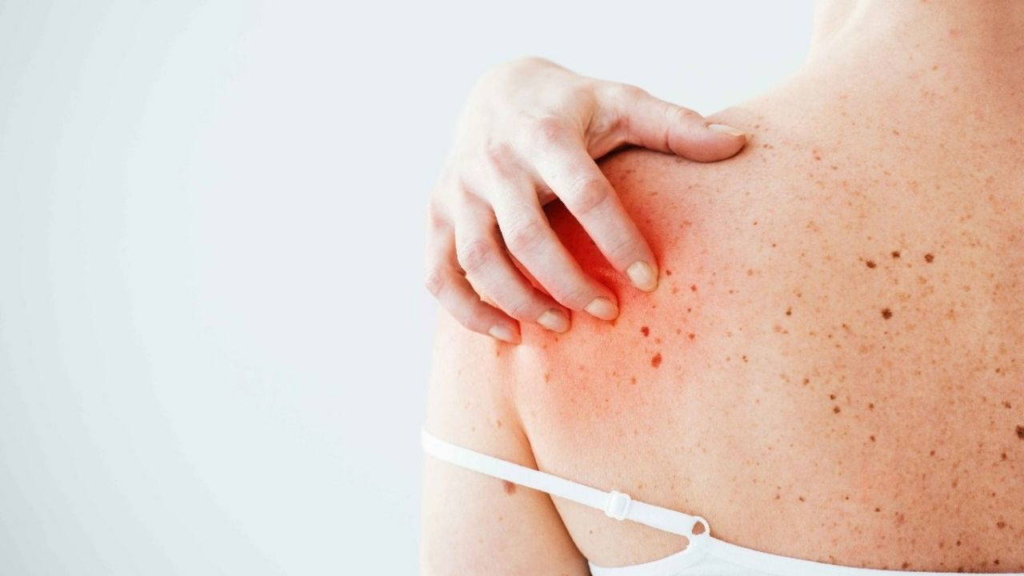

As summer temperatures rise across Türkiye, medical experts are sounding the alarm about the health risks associated with prolonged sun exposure. While the sun brings joy, warmth, and much-needed vitamin D, its ultraviolet (UV) rays can also lead to serious short-term and long-term damage to the skin.
Dr. Fatma Efsun Tanaçan, a dermatologist at Etlik City Hospital, has shared crucial advice for protecting your skin from the harsh effects of the sun, especially during the sweltering months of June through August. In this article, we explore the risks, symptoms, and most importantly, the preventive measures everyone should take to ensure a safe and enjoyable summer in Türkiye.
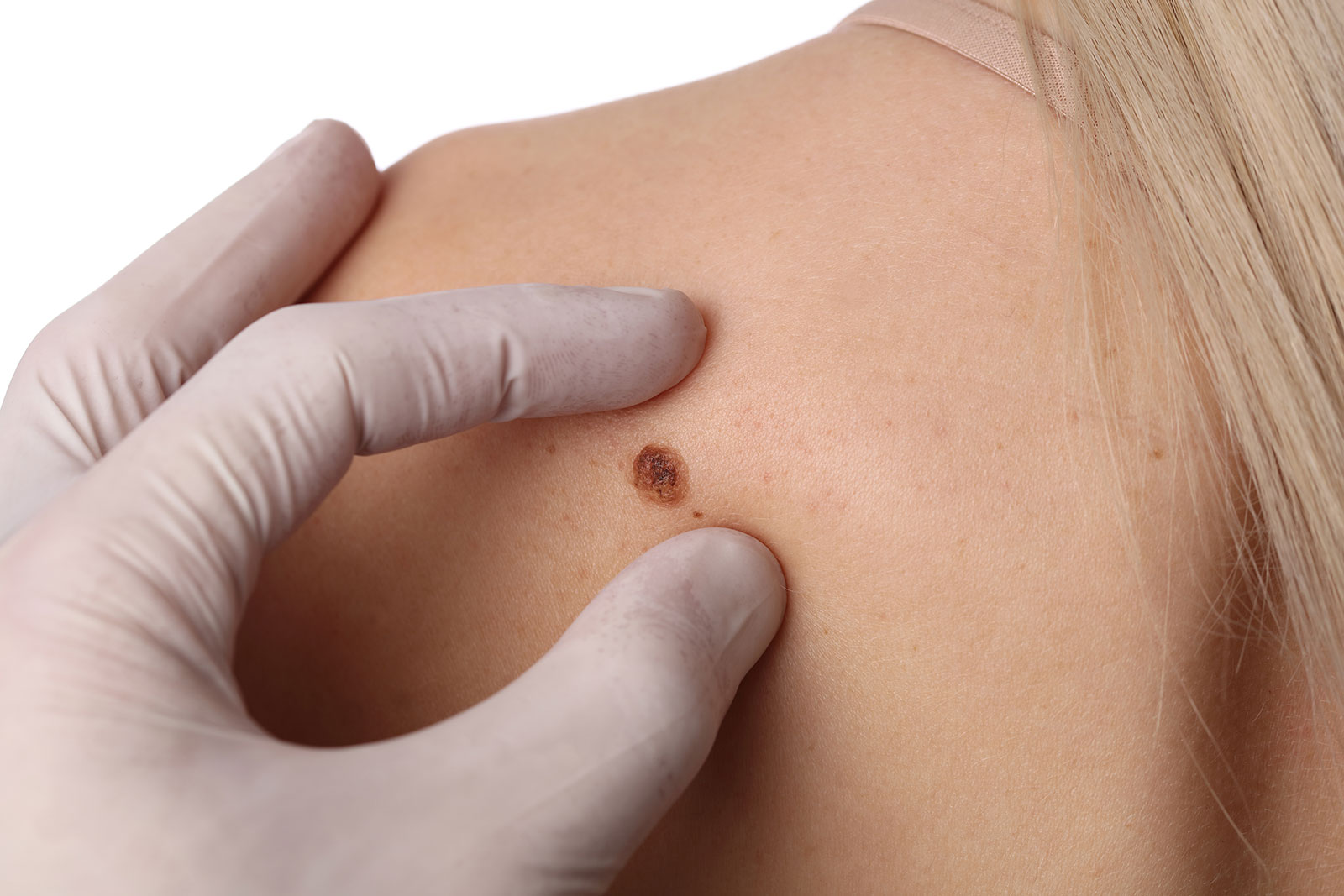
Understanding the Effects of Ultraviolet Rays
Ultraviolet radiation, commonly known as UV rays, is a type of electromagnetic radiation emitted by the sun. While some exposure to UV rays is beneficial for the production of vitamin D, too much can be harmful, especially between 10:00 AM and 4:00 PM, when the sun’s intensity is at its peak.
According to Dr. Tanaçan, UV exposure can harm the skin at multiple levels:
Short-term effects:
Sunburns
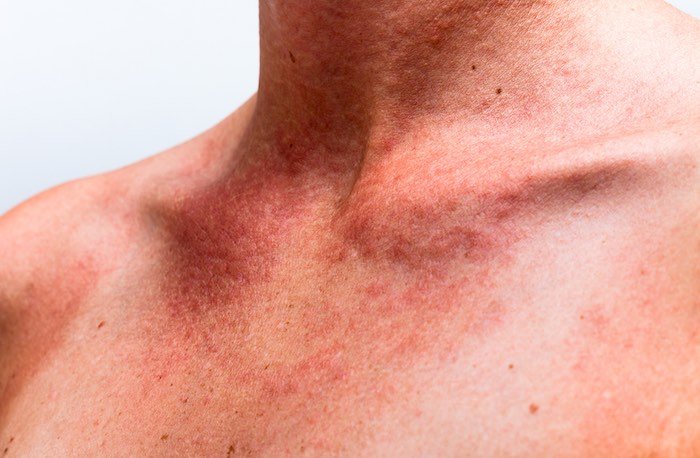
Redness and inflammation
Peeling and blistering
Dehydrated and irritated skin
Long-term risks:
Hyperpigmentation and dark spots
Loss of skin elasticity
Enlarged pores and fine lines
Increased risk of precancerous lesions and skin cancer
SEO keywords: UV radiation Türkiye, summer sun risks, how to prevent sunburn, skin cancer awareness, safe tanning tips Türkiye
Even seemingly mild symptoms such as rashes, tightness, or heat-induced itchiness can evolve into more serious conditions if ignored.
Sunburn Is Just the Beginning
Many people associate sun damage only with the redness and discomfort of a sunburn. However, Dr. Tanaçan warns that UV rays can penetrate deep into the skin, damaging the DNA of skin cells. This process is known as photoaging, and it is a primary cause of:
Wrinkles and sagging
Uneven skin tone
Age spots
Early signs of melanoma and other skin cancers
Children are particularly vulnerable because their skin is thinner and more sensitive. However, adults with fair skin, existing skin conditions, or long-term outdoor exposure (e.g., outdoor workers) are also at high risk.
The Hidden Danger of Sweat and Heat
Sun exposure isn’t the only challenge during Türkiye’s hot summer. Rising temperatures also increase perspiration, which in turn affects the skin in several ways:
Dehydration of the skin, leading to tightness and flaking
Clogged pores from trapped sweat, especially when not washed off promptly
Development of heat rashes or miliaria (commonly known as prickly heat)
These issues can be particularly troublesome for people with sensitive skin, and in children, they may result in prolonged discomfort or secondary infections if not treated properly.
Avoid These Common Mistakes
Despite public awareness campaigns, many people continue to engage in habits that exacerbate sun-related damage. Some of the most common errors include:
Skipping sunscreen on cloudy days
Using expired or low-SPF products
Believing that tanning is safe if you don’t burn
Staying in direct sun during peak hours
Not reapplying sunscreen after swimming or sweating
Dr. Tanaçan emphasizes that sunscreen should be reapplied every two hours, and water-resistant formulas are essential when at the beach or pool.
How to Protect Your Skin This Summer
Protection against UV damage requires a combination of smart habits and quality products. Here are the top expert recommendations for enjoying summer safely in Türkiye:
Stay indoors or in shaded areas between 10:00 AM and 4:00 PM
UV rays are strongest during these hours
Schedule outdoor activities in the early morning or late afternoon
Use a broad-spectrum sunscreen with SPF 30 or higher
Choose products that block both UVA and UVB rays
Apply at least 20 minutes before going outside
Dress for protection
Wear wide-brimmed hats
Choose UV-protective clothing
Don’t forget sunglasses with UV filters
Hydrate your skin and body
Drink plenty of water throughout the day
Use a lightweight moisturizer to prevent dryness
Teach children sun safety early
Avoid exposing infants to direct sunlight
Dress them in light layers and apply child-safe sunscreen
Skip intentional tanning
Artificial or sun-based tanning can accelerate aging and increase cancer risks
A 10 to 15-minute exposure during early or late daylight hours is enough for vitamin D synthesis
SEO keywords: how to prevent sun damage Türkiye, SPF guide for summer, UV protection tips Istanbul, child sun safety Türkiye, safe beach habits Türkiye
Why Direct Sunbathing Is No Longer Recommended
While past generations often promoted tanning for beauty and health, modern dermatology strongly discourages prolonged sunbathing. The risks far outweigh the benefits, especially in light of new research linking UV exposure to various skin cancers.
Dr. Tanaçan explains:
“Due to the harmful effects of ultraviolet light, both children and adults should avoid direct exposure as much as possible. For vitamin D production, a brief period of exposure — no more than 10 to 15 minutes — is more than sufficient.”
This marks a shift in how we think about summer wellness. The focus is now on preventive care, skin integrity, and long-term health rather than short-term aesthetic goals.
A National Perspective on Skin Health in Türkiye
As climate patterns change and summers become hotter and longer, public awareness around sun safety in Türkiye is growing. Health campaigns, school programs, and hospital initiatives are emphasizing:
Regular skin checkups
Awareness of unusual moles or spots
Use of sunblock in all age groups
Hydration and anti-oxidant rich diets
In coastal cities like Antalya, Izmir, and Mersin, where tourism peaks in the summer months, these messages are especially crucial for both residents and visitors.
Enjoy the Sun, Respect the Skin
Summer in Türkiye offers unforgettable experiences — from the beaches of Bodrum to the cultural festivals of Istanbul. But to truly enjoy these moments, your skin needs protection, hydration, and care.
By following expert advice and being mindful of sun exposure, you can safely embrace the beauty of the season without compromising your health. The sun may be powerful, but with knowledge and preparation, you can be even stronger.