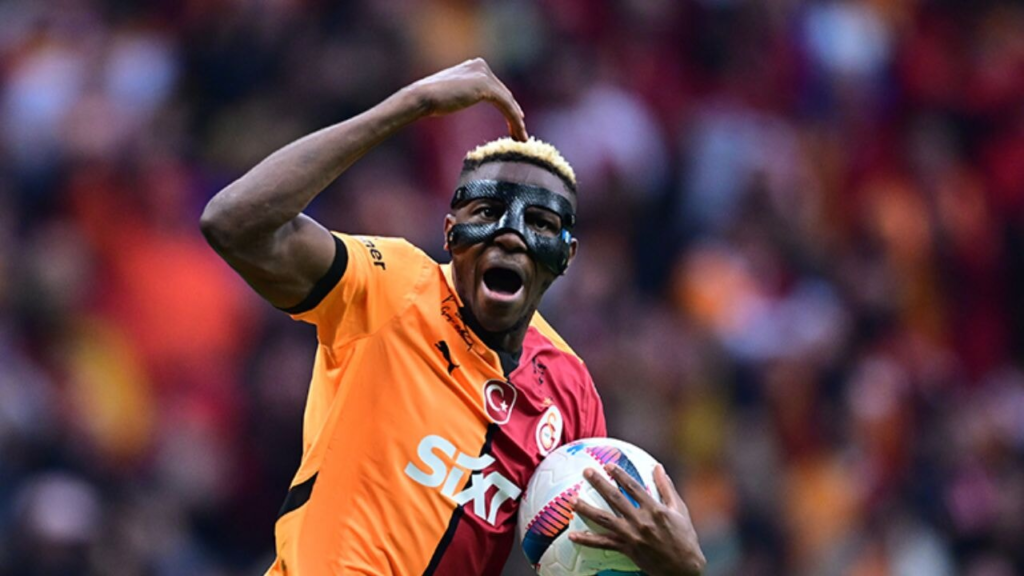

Galatasaray, one of Türkiye’s most storied football clubs, is undergoing a dramatic financial transformation that could redefine its competitive stature both domestically and in European football. In a strategic move combining debt clearance, capital injection, and ambitious transfer planning, the club has positioned itself for a new era of sustainable success. At the center of this narrative is a bold pursuit of Napoli striker Victor Osimhen, whose transfer fee could reach a staggering €75 million.
This shift marks a turning point for Galatasaray, with the club aiming to regain its international clout while ensuring financial discipline. The developments over recent weeks highlight how sports management, investor confidence, and athletic ambition can harmonize in modern football.
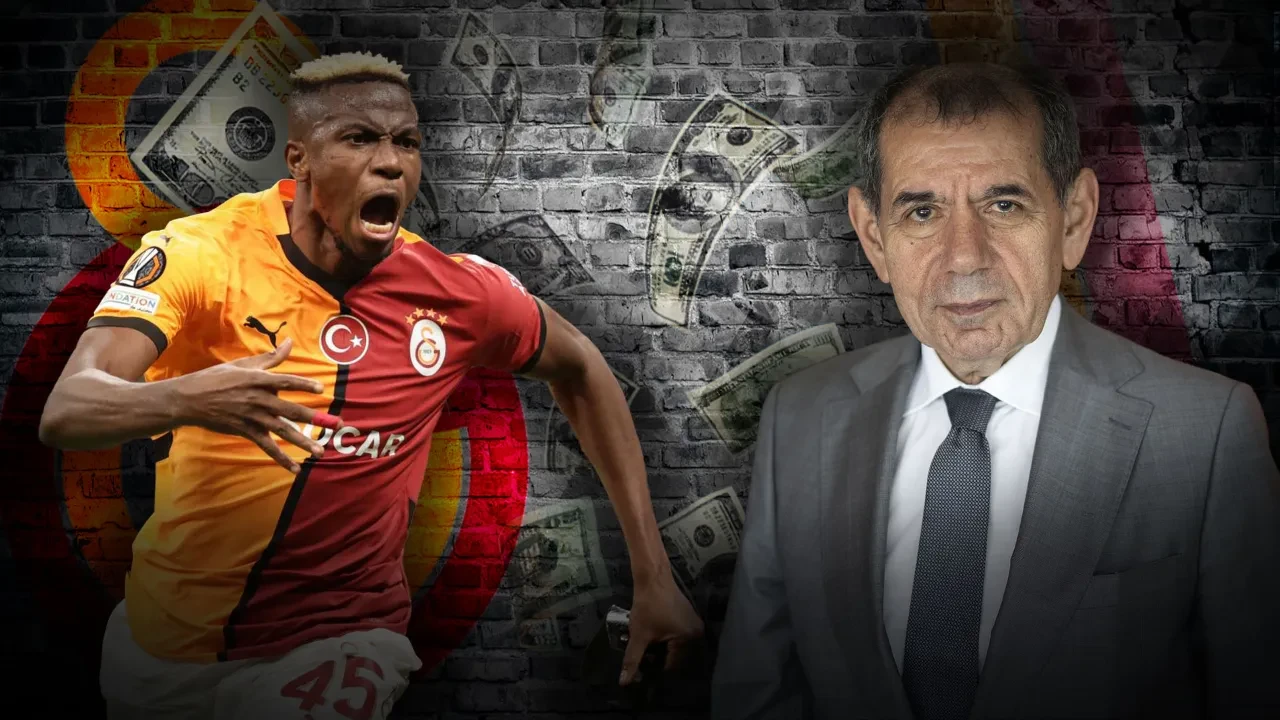
Galatasaray Clears Its Obligations to Ziraat and Denizbank
Galatasaray’s financial rejuvenation began with a much-anticipated capital increase, followed by decisive action on long-standing debts. As of June 2025, the club officially repaid all outstanding loans to two major Turkish financial institutions—Ziraat Bankası and Denizbank. This not only eliminated a significant interest burden but also unlocked new flexibility for club operations and transfers.
Galatasaray Spor Kulübü, the parent entity, made a direct repayment of ₺1.488 billion (approximately $36.8 million or €31.3 million) to its listed subsidiary, Galatasaray Sportif A.Ş., facilitating the financial transition.
Massive Capital Injection Fuels Transfer Ambitions
The financial pivot was further cemented with a colossal capital increase. Galatasaray raised its paid-in capital from ₺5.4 billion to ₺13.5 billion, injecting ₺8.1 billion in fresh cash into the company. In foreign currency terms, this equates to nearly $200 million or €170 million—funds that will directly support player acquisitions, infrastructure, and long-term planning.
This significant capital boost not only strengthens Galatasaray’s liquidity but also sends a strong signal to the market. The move has already begun yielding results on the Istanbul Stock Exchange, where Galatasaray’s shares have risen nearly 6%, trading at ₺1.38 per share at the time of writing.
A High-Stakes Gamble Worth €75 Million
Galatasaray’s newfound financial muscle appears to have been deployed with purpose. Though not officially confirmed, credible sources indicate that the club is actively negotiating with Napoli for Nigerian striker Victor Osimhen. The proposed structure reportedly includes a €40 million upfront payment and a €35 million performance-based package.
If finalized, this would mark the most expensive transfer in Turkish football history and would catapult Galatasaray into global headlines. The move is seen not just as a bid for sporting excellence but as a brand statement—signaling that Galatasaray can attract elite talent and compete with top European clubs.
Head coach Okan Buruk confirmed the advanced stage of negotiations, stating, “Everything is going positively with Osimhen. We’re close to finalizing it. The player side is already settled, and our talks with Napoli have been encouraging.”
Financial Prudence Meets Transfer Strategy
Buruk also emphasized that the club’s entire transfer strategy hinges on the Osimhen deal. “This is a major budget commitment. Once this transfer is finalized, we will adjust our plans accordingly,” he noted.
He highlighted that further squad changes—including a new goalkeeper—are likely but contingent upon finalizing the Osimhen move. “We have Günay and Jankat, both of whom have performed well in preseason. Still, we aim to bring in another high-quality goalkeeper,” Buruk said.
This cautious yet ambitious approach underscores Galatasaray’s intention to maintain financial discipline even amid aggressive player acquisitions.
Icardi’s Return Boosts Morale and Stability
Another key storyline in Galatasaray’s pre-season preparations is the recovery of Argentine star Mauro Icardi. Following a long absence due to a severe ligament injury, Icardi has begun training sessions and is gradually reintegrating into the squad.
Okan Buruk expressed optimism, stating, “Icardi has resumed light training and is showing great motivation. His leadership, attitude, and energy are positively impacting the squad. Of course, we will need time to fully restore his physical condition, but his presence already lifts the team.”
Icardi’s return is not just symbolic—it represents consistency in the forward line and stability in leadership, especially amid a high-profile transfer like Osimhen’s.
Investor Confidence Reflected in Share Performance
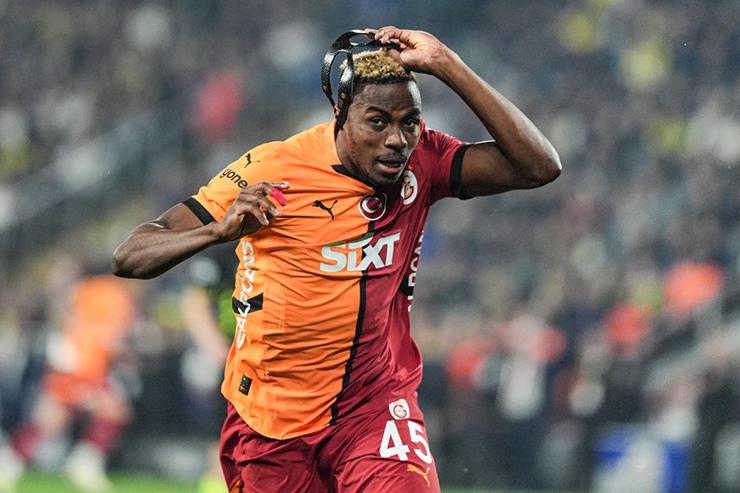
The intersection of financial restructuring and sporting potential has not gone unnoticed by investors. Galatasaray’s stock, listed on the Borsa Istanbul, has experienced a steady uptrend as a direct response to the club’s fiscal discipline and ambitious transfer targets.
Analysts suggest that continued financial transparency and strategic squad management could further enhance shareholder value and open doors to new sponsorships and revenue streams.
From Debt to Dominance
With debts paid, capital increased, and world-class talent on the horizon, Galatasaray appears to be transitioning from a club struggling with legacy financial issues to one ready for sustainable global competitiveness. The club’s long-term strategy likely includes:
Consistent UEFA participation for increased media and broadcasting revenues
Infrastructure modernization, including stadium upgrades and training facilities
Youth academy investments to nurture domestic talent and reduce reliance on foreign transfers
Brand globalization through marquee signings and international partnerships
This comprehensive vision positions Galatasaray not only as a powerhouse in the Süper Lig but also as a well-managed sports enterprise.
Conclusion
Galatasaray’s financial transformation is nothing short of historic. By eliminating its debt obligations and executing the largest capital increase in its history, the club has created a springboard for sporting success. The potential acquisition of Victor Osimhen represents a high-risk, high-reward investment—one that could elevate Galatasaray into a new stratosphere of European football.
Combined with Mauro Icardi’s return and targeted reinforcements, the club seems poised for a breakout season. More importantly, Galatasaray is emerging as a model of how strategic financial planning, timely investment, and footballing ambition can coexist—and thrive.