In its latest investor presentation published via Foreks, TürkTraktör, Türkiye’s leading agricultural machinery manufacturer, has announced a downward revision to its projections for 2025. The adjustment includes both domestic and international sales expectations, as well as planned capital investments. As macroeconomic pressures and sector-specific headwinds weigh on agricultural equipment markets, the company is recalibrating its strategic outlook for the coming year.
The revised figures are part of TürkTraktör’s 2025 Investor Guidance and reflect a more conservative approach amid changing market dynamics.
Domestic Tractor Sales Forecasts See Notable Downgrade
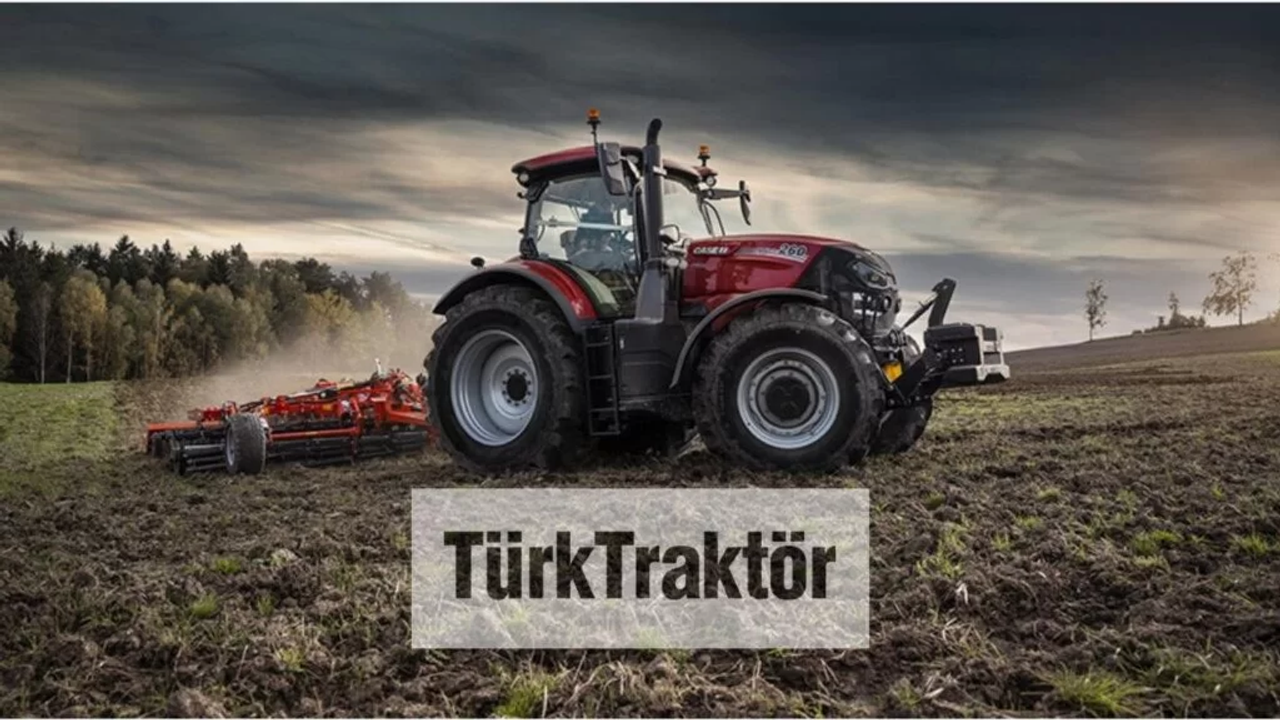
One of the most significant takeaways from the updated presentation is the revision of expected domestic tractor sales. TürkTraktör now anticipates selling between 18,000 and 22,000 tractors within Türkiye, down from its earlier guidance of 20,000 to 24,000 units. The revision comes in response to what the company describes as persistent macroeconomic uncertainties, including fluctuating input costs, interest rate volatility, and tight credit conditions affecting rural demand.
This reduction reflects both a softening of overall industry demand and a cautious stance from dealers and distributors who are grappling with inventory planning and financing challenges. Analysts have noted that the Turkish tractor market has historically been sensitive to policy changes in agricultural subsidies and interest rate support schemes, both of which remain uncertain heading into 2025.
Export Targets Also Trimmed Amid Global Market Pressure
In parallel with its domestic market downgrade, TürkTraktör has also reduced its export guidance. The company now projects international sales of 10,000 to 12,000 tractors for 2025, compared to its earlier forecast of 11,000 to 13,000 units.
While the change may appear modest, it underscores broader challenges in international markets, including currency fluctuations, rising shipping costs, and slowing demand from key partner countries. Export sales are a critical pillar of TürkTraktör’s business model, and the company has traditionally relied on strong demand in Europe, North Africa, and select Asian markets to balance domestic cycles.
The downward revision suggests that recovery in global agricultural equipment demand may be slower than previously expected. Supply chain constraints and political uncertainty in export destinations are likely contributing factors.
Investment Plans Recalibrated with Lower Spending Forecast
Alongside the sales adjustments, TürkTraktör also announced a scaled-back investment plan. The company now expects to allocate 75 to 100 million USD in capital expenditures for 2025. This marks a pullback from earlier, more aggressive expansion strategies and indicates a shift toward preserving liquidity and focusing on operational efficiency.
Although TürkTraktör has historically invested in facility upgrades, automation, and R&D for precision agriculture technologies, the current emphasis appears to be on selective spending. The company may prioritize investments that yield immediate productivity improvements rather than long-term infrastructure projects.
This strategic adjustment aligns with industry trends, where many OEMs (original equipment manufacturers) are delaying or downsizing capital projects in response to global economic uncertainty.
Market Reaction and Investor Sentiment
Following the release of the revised investor guidance, market reactions have been mixed. While some investors appreciate the company’s transparency and prudent management, others interpret the revisions as a signal of reduced earnings momentum.
Equity analysts are likely to adjust their price targets and earnings models accordingly, especially considering the dual impact of lowered sales volume and trimmed capital investments. However, TürkTraktör’s strong market position, extensive dealer network, and export footprint continue to offer some cushion against cyclical volatility.
The company’s ability to maintain profitability and manage working capital in the face of declining volumes will be closely monitored by institutional stakeholders.
Contextual Factors Behind the Revision
Several macro and microeconomic factors have contributed to TürkTraktör’s decision to revise its 2025 outlook:
Input Costs and Inflation
Raw material prices, especially for steel and components, have remained elevated. Persistent inflation in Türkiye also affects production costs and consumer purchasing power.Interest Rates and Credit Access
Rising interest rates have made financing more expensive for farmers and distributors. Limited access to affordable credit remains a barrier to equipment investment in the agriculture sector.Exchange Rate Volatility
The Turkish lira’s volatility against the US dollar and euro affects both import costs for components and export competitiveness.Global Agricultural Trends
A softening of crop prices and changing government support policies across different regions are also impacting farm equipment demand.Dealer Inventory Management
Distributors are increasingly cautious with inventory levels amid uncertain demand forecasts, leading to a more measured approach to ordering new units.
Strategic Outlook and Operational Resilience
Despite the more conservative 2025 forecast, TürkTraktör is expected to focus on operational resilience. This includes:
Enhancing production efficiency through lean manufacturing
Diversifying product lines with compact and electric tractors
Strengthening after-sales services and spare parts supply chain
Exploring digital farming solutions to support precision agriculture
Maintaining strong relationships with export partners and institutional buyers
The company’s ability to adapt and innovate within a challenging macroeconomic environment will remain central to its long-term growth trajectory.
What It Means for the Broader Agricultural Machinery Market
TürkTraktör’s guidance revision may also serve as a bellwether for the wider agricultural equipment industry in Türkiye. As the market leader, its projections often influence supplier strategies, dealer sentiment, and sector-level forecasts.
A more cautious outlook from TürkTraktör may prompt smaller competitors to reassess their sales and production targets. It could also lead to more disciplined pricing and marketing campaigns across the industry.
For policymakers, the update highlights the need for stable and supportive policies in the agricultural sector—particularly regarding financing options, subsidy frameworks, and rural development programs.
Investors Should Watch Key Metrics Moving Forward
As the rest of 2024 unfolds and 2025 approaches, investors and analysts should closely track the following:
Quarterly sales volumes and revenue growth
Export performance by region
Inventory turnover and dealer feedback
R&D developments and new product launches
Updates on macroeconomic indicators relevant to agriculture
TürkTraktör’s ability to execute on its revised guidance while preserving profitability will be the key metric defining investor confidence in the months to come.