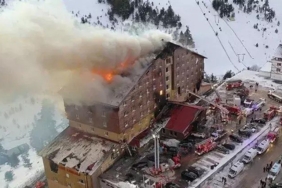

Türkiye frequently faces wildfires during the summer months due to rising temperatures and prolonged drought. In June and July alone, thousands of hectares of forest land were damaged, and one of the most debated topics among the public has been the number, cost, and effectiveness of firefighting aircraft. This article provides an in-depth analysis of the importance of firefighting aircraft in Türkiye, along with technical specifications and price comparisons of various aircraft models.
In recent years, the increasing number of wildfires has revealed the urgent need for stronger fire suppression infrastructure in Türkiye. Fires lasting for days have threatened both natural ecosystems and residential areas. In some regions, military units were deployed to provide protection against advancing fires. However, without air support, these efforts often fall short. As a result, the availability and efficiency of firefighting aircraft have become central to wildfire response strategies. Citizens, especially on social media, are calling for transparency regarding the costs and types of aircraft involved in firefighting efforts.
Below is a detailed list of the world’s most commonly used firefighting aircraft, along with their average market prices and water-carrying capacities. These planes vary in size, technology, and operational strategy:
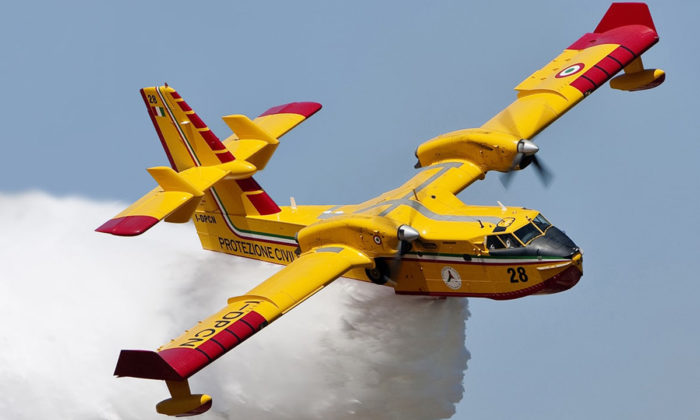
Canadair CL-215: Approx. cost $4,000,000 – 5,450 liters
Antonov An-32: Approx. cost $10,000,000 – 7,500 liters
BAe 146: Approx. cost $15,000,000 – 11,300 liters
McDonnell Douglas DC-10: Approx. cost $25,000,000 – 15,000 liters
Bombardier Dash-8 Q400: Approx. cost $27,000,000 – 9,274 liters
Ilyushin Il-76: Approx. cost $37,500,000 – 43,230 liters
Lockheed P-3 Orion: Approx. cost $36,000,000 – 11,000 liters
Canadair CL-415: Approx. cost $37,000,000 – 6,137 liters
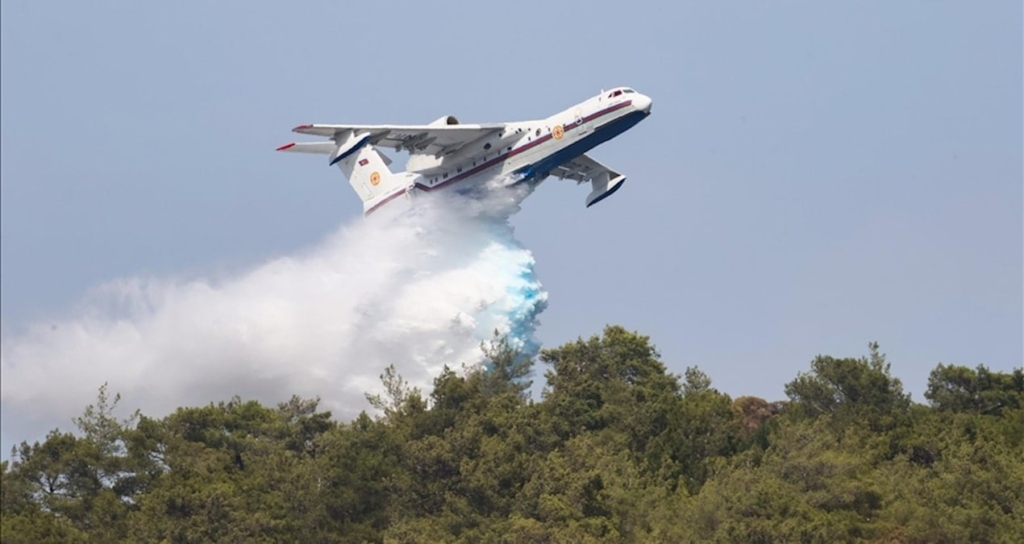
Beriev Be-200: Approx. cost $70,000,000 – 12,000 liters
Boeing 747 Supertanker: Approx. cost $79,000,000 – 74,000 liters

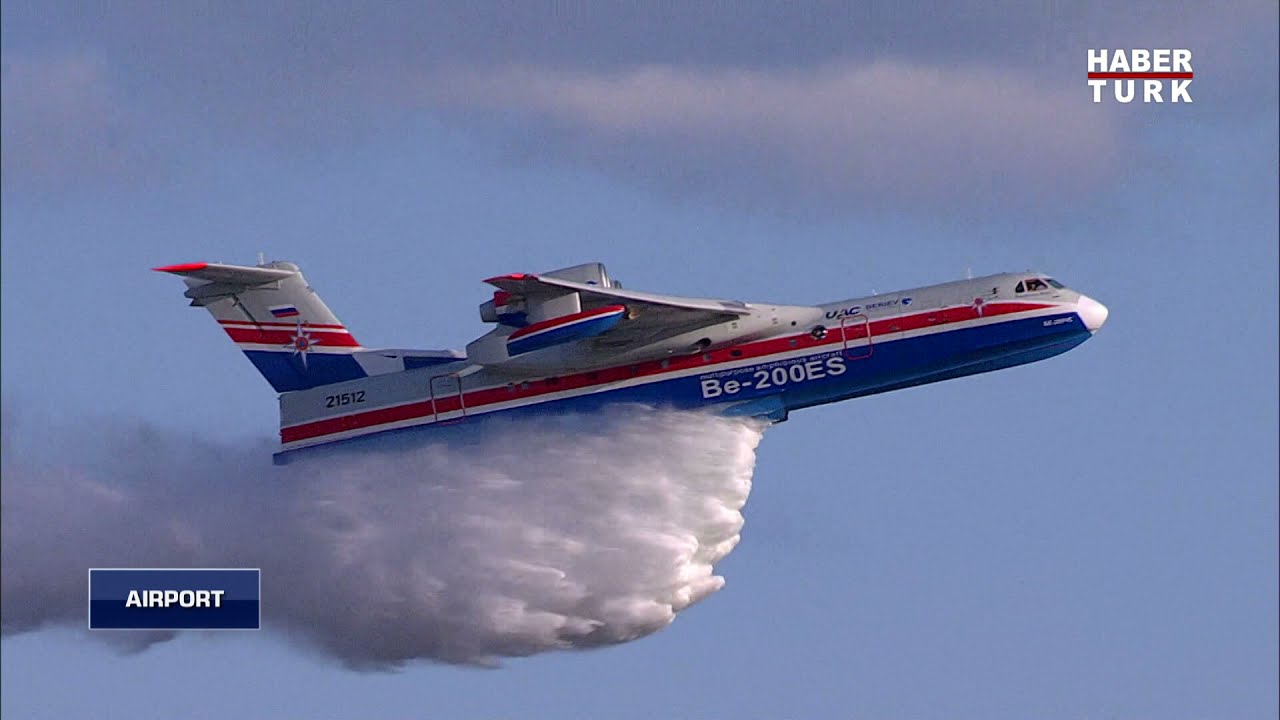
Some of these aircraft are designed specifically for tackling fires across vast landscapes. For instance, the Boeing 747 Supertanker can carry up to 74,000 liters of water, making it one of the most capable firefighting planes globally. However, due to its high cost and runway limitations, it is used by only a few nations.
On the other hand, amphibious aircraft such as the Canadair CL-215 and CL-415 can scoop water directly from lakes or seas, making them particularly suitable for coastal regions like Türkiye.
In Türkiye, one of the ongoing concerns is whether the country has enough aircraft in its firefighting fleet. While the General Directorate of Forestry and the Ministry of Agriculture and Forestry lease planes from the Turkish Aeronautical Association or abroad, this temporary solution often proves insufficient during peak fire season.
Experts argue that a long-term solution lies in building a permanent, well-equipped national fleet. It is also recommended to integrate helicopters, drones, satellite monitoring, and thermal imaging into the country’s firefighting strategy. Early warning systems and trained rapid response teams can also significantly reduce fire damage.
In conclusion, firefighting aircraft are indispensable in countries with significant forest cover like Türkiye. With better planning, sufficient funding, and investments in technology, both nature and human settlements can be protected more effectively.