

In a landmark ruling that has drawn attention across Europe and Türkiye, a German court has sentenced 40-year-old Daniel S. to life imprisonment for causing the deaths of four people of Turkish descent in a tragic arson attack. The incident, which occurred in Solingen in March 2024, deeply shocked both the Turkish and European communities and renewed calls for vigilance against hate crimes and xenophobic violence.
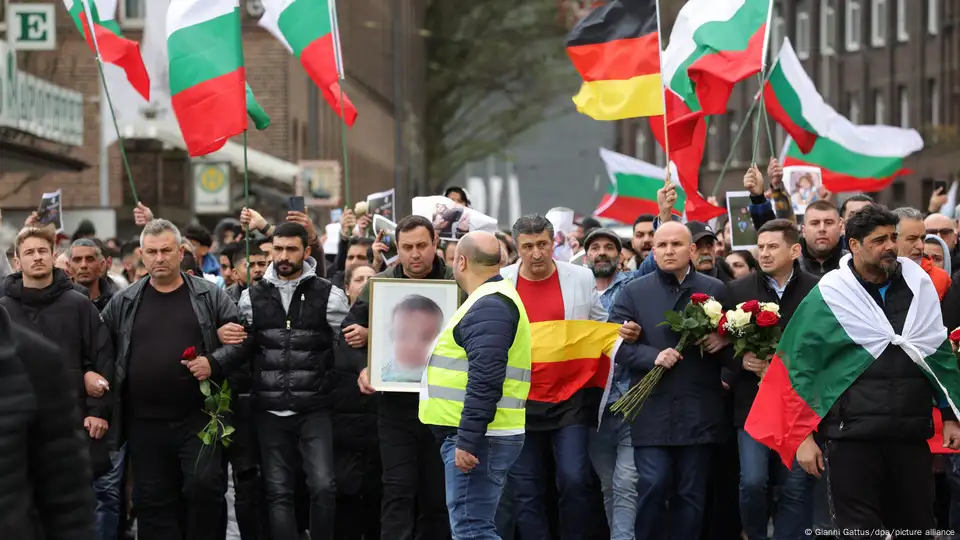
Tragedy in Solingen Revisited
The horrifying incident took place in the early hours of the morning when Daniel S. deliberately set fire to a residential building in Solingen, North Rhine-Westphalia. The blaze quickly engulfed the structure, leaving no time for many residents to escape. Among the victims were four individuals of Turkish origin who were also citizens of Bulgaria.
While 21 other residents narrowly survived, many sustained injuries and trauma that will affect them for life. Firefighters described the scene as one of the most devastating they had encountered in recent years, with multiple families displaced and the community left in mourning.
Justice Delivered by Wuppertal State Court
On July 30, 2025, the Wuppertal State Court announced its verdict after months of deliberation. The defendant, Daniel S., was found guilty of four counts of murder and 21 counts of attempted murder. The court imposed the maximum sentence allowed under German law—life imprisonment.
In addition to the prison sentence, the court ordered Daniel S. to pay financial compensation ranging from 2,000 to 20,000 euros to the surviving victims and families of those who perished in the fire. The decision was widely seen as an attempt to provide some measure of justice and recognition to those affected.
A Crime That Stirred Painful Memories
For many in Türkiye and the broader Turkish diaspora in Germany, the tragedy in Solingen evoked painful memories of previous attacks, including the infamous 1993 Solingen arson in which five Turkish women and girls were killed by right-wing extremists.
While authorities have not officially classified the 2024 attack as racially motivated, the victims’ background and the nature of the crime have raised serious concerns within immigrant communities. Advocacy groups and Turkish officials have called for greater transparency in hate crime investigations and stronger legal frameworks to prevent such atrocities.
Community Response and Support
In the wake of the fire, local and international support poured in for the victims and their families. Vigils were held in Solingen and several other German cities, with community leaders, politicians, and human rights organizations expressing solidarity.
Türkiye’s Ministry of Foreign Affairs condemned the attack and closely followed the legal proceedings. Turkish consular staff provided support to the victims’ families throughout the trial. Various NGOs also stepped in to offer psychological counseling and housing assistance to displaced residents.
The Turkish community in Germany, which numbers over three million, has historically played a vital role in the country’s economic and cultural fabric. Yet, incidents like this highlight the ongoing challenges they face, including systemic discrimination and xenophobia.
The Importance of Recognition and Accountability
Legal experts and social commentators have emphasized the significance of the court’s decision. Not only does the life sentence serve as a form of justice for the victims, but it also sends a powerful message about the consequences of such violent acts.
By holding the perpetrator accountable, the court reinforced the rule of law and underscored the state’s commitment to protecting all citizens, regardless of ethnicity or nationality. The compensation awarded to the families is also seen as a gesture of institutional acknowledgment of their suffering.
Calls for Broader Policy Measures
Beyond the legal outcome, the case has prompted renewed calls for comprehensive policy reforms. Human rights organizations are urging German lawmakers to strengthen hate crime legislation and invest more in community integration programs.
There is a growing consensus that education, awareness, and proactive policing must be at the center of efforts to combat xenophobic violence. Many argue that recognizing patterns of hostility and intervening early could help prevent future tragedies.
Civil society leaders have also encouraged more collaboration between German authorities and migrant communities to ensure that concerns are heard and addressed before they escalate.
Germany’s Ongoing Reckoning with Diversity
Germany has made significant strides in building an inclusive society, but incidents like the Solingen arson reveal that there is still much work to be done. As the country becomes more diverse, ensuring the safety and dignity of all communities remains a top priority.
The justice delivered in this case is an important step, but experts stress that real progress requires long-term cultural and institutional change. Fighting hate crimes must go beyond punitive measures and delve into the root causes of intolerance, including economic inequality, misinformation, and political polarization.

International Implications and Türkiye’s Response
The Turkish government has welcomed the court’s ruling but continues to emphasize the need for vigilance in protecting diaspora communities. Diplomatic channels between Türkiye and Germany have remained active throughout the investigation and trial process, reflecting the importance of the case on a bilateral level.
Türkiye’s Foreign Ministry reiterated its commitment to standing by its citizens abroad and called for global cooperation against rising xenophobia and racism. The case has also sparked debates in Türkiye about the treatment of Turkish nationals in Europe and the need for stronger international frameworks to ensure their safety.
A Tragic Reminder and a Call for Unity
The Solingen arson case is a painful reminder of the destructive power of hatred. But it is also a story of resilience, justice, and the enduring strength of community bonds.
As the victims are remembered and their families begin the long journey of healing, the hope is that this tragedy will serve as a catalyst for meaningful change. Ensuring that no one suffers such injustice again requires collective responsibility—from governments, institutions, and citizens alike.