

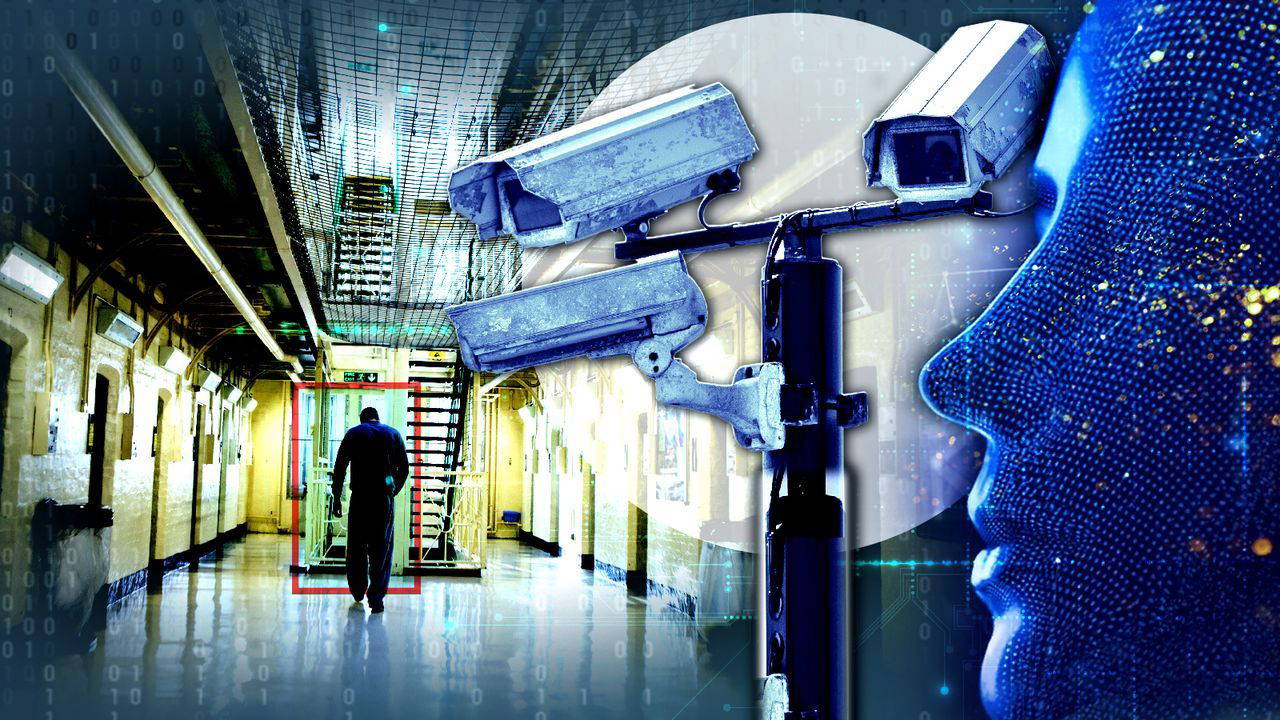
In a pioneering step toward digitizing the justice system, the United Kingdom’s Ministry of Justice has unveiled a new artificial intelligence-based early warning system in prisons. The initiative aims to prevent violent incidents and criminal activities before they even occur, marking a significant shift in how correctional facilities are managed. This development forms part of a broader Artificial Intelligence Action Plan spearheaded by Justice Secretary Shabana Mahmood, and it could reshape the way prisons function—not just in the UK but globally.
As violence and illicit activity in prisons remain ongoing concerns for many nations, the UK’s move signals a transformative approach: using predictive algorithms, data analytics, and digital identity tracking to create a more controlled and safer correctional environment.

Predicting Prison Violence with AI
At the heart of the new initiative is an advanced AI system that analyzes various data points to identify prisoners who may pose a higher threat of violence or misconduct. This includes the prisoner’s age, prior behavior in the facility, criminal history, and incidents of prior aggression. The system generates predictive insights that allow prison guards and administrators to act proactively, rather than reactively.
For instance, if a particular inmate is flagged as high risk, officers may choose to separate them from vulnerable individuals, place them under closer supervision, or initiate de-escalation protocols. This method not only prevents violent confrontations but also improves the allocation of security resources by targeting specific risks rather than applying blanket measures.
This is a stark departure from traditional models, which often rely on human intuition, past incidents, and manual reporting systems. While those tools remain relevant, AI introduces a level of foresight and automation that significantly increases efficiency and potentially reduces human error.
Intercepting Hidden Messages and Contraband Plans
In addition to forecasting inmate aggression, the Ministry of Justice is also employing artificial intelligence tools to analyze content from confiscated mobile phones. A separate AI tool is capable of detecting coded language, secret messages, and encrypted communication that may indicate escape attempts, violence planning, or the smuggling of contraband such as drugs and weapons.
To date, the system has processed over 8.6 million messages from 33,000 confiscated phones, uncovering potential threats before they could be acted upon. This allows authorities to intervene early, break up illicit networks, and stop dangerous plots in their early stages.
Such capabilities are vital in an age where prison crime is increasingly sophisticated. Organized crime groups often use smuggled phones to coordinate external operations, and AI’s ability to decode even cryptic patterns of communication gives prison authorities a much-needed advantage.
Digital Identity for a Unified Justice System
One of the more ambitious aspects of the plan involves the creation of unique digital identities for every individual within the criminal justice system. These AI-supported profiles will integrate data from multiple sources—including police records, court proceedings, prison files, and probation reports—into a single, unified system.
This consolidation solves a longstanding problem: fragmented and mismatched records. In the past, minor differences such as name spellings or missing details would result in multiple disconnected profiles for the same person. Now, AI will cross-reference and merge this data, ensuring that no criminal background or behavioral pattern goes unnoticed.
This seamless tracking system promises more consistency in sentencing, parole decisions, and rehabilitation efforts. It also ensures that individuals are held accountable across different stages of the justice process, minimizing gaps that offenders could exploit.
Boosting Efficiency in Probation Services
The AI initiative doesn’t stop at prisons. A pilot program tested in probation units showed remarkable results: case officers were able to cut their note-taking time by 50 percent, freeing up more of their schedule for face-to-face meetings and in-depth risk assessments.
This shift enhances the quality of supervision provided to those under probation, while also reducing paperwork burdens. The government plans to expand this system to all probation officers nationwide, and eventually extend it to courts and correctional facilities as well.
The outcome could be a better-balanced justice system—one where technology handles routine tasks and professionals focus on judgment, empathy, and human connection.
Balancing Innovation and Ethical Oversight
While the technological advances introduced by the UK’s justice system are promising, they also raise critical ethical questions. Can AI truly understand the nuance of human behavior? Could biased datasets influence decisions about parole or inmate segregation? How should privacy be safeguarded in a system that aggregates personal information across departments?
Justice Secretary Shabana Mahmood has emphasized the importance of transparency, fairness, and accountability in deploying AI tools. Oversight mechanisms, algorithm audits, and compliance with data protection laws will form part of the broader framework to ensure that innovation does not come at the cost of civil liberties.
Legal experts argue that, when appropriately designed and monitored, AI tools can support—not replace—human decision-making. The goal is not to let algorithms dictate justice but to provide actionable insights that improve outcomes.
International Implications and Global Interest
The United Kingdom’s AI Action Plan is attracting attention from justice systems around the world. Countries grappling with overcrowded prisons, repeat offenses, and systemic inefficiencies may view this as a blueprint for reform. From Türkiye to Canada, governments are under pressure to modernize their judicial frameworks, and the integration of artificial intelligence offers a scalable solution.
Notably, Türkiye has also been investing in digital justice tools, including online court systems and biometric tracking in detention centers. If the UK’s AI pilot proves successful, it may serve as inspiration for Türkiye and other nations seeking to blend tradition with technological advancement in their criminal justice systems.
Looking Ahead in a Digitally Intelligent Justice System
As the Ministry of Justice continues to roll out its AI-driven reforms, the future of prison management and criminal rehabilitation looks poised for a major evolution. From real-time violence prevention to the detection of hidden crimes and the creation of holistic digital profiles, this transformation aims to build a smarter, safer, and more responsive justice environment.
While challenges remain, the potential benefits—in terms of lives protected, crimes prevented, and systems streamlined—are too significant to ignore. As other countries watch closely, the UK stands at the forefront of reimagining what justice can look like in the digital age.