
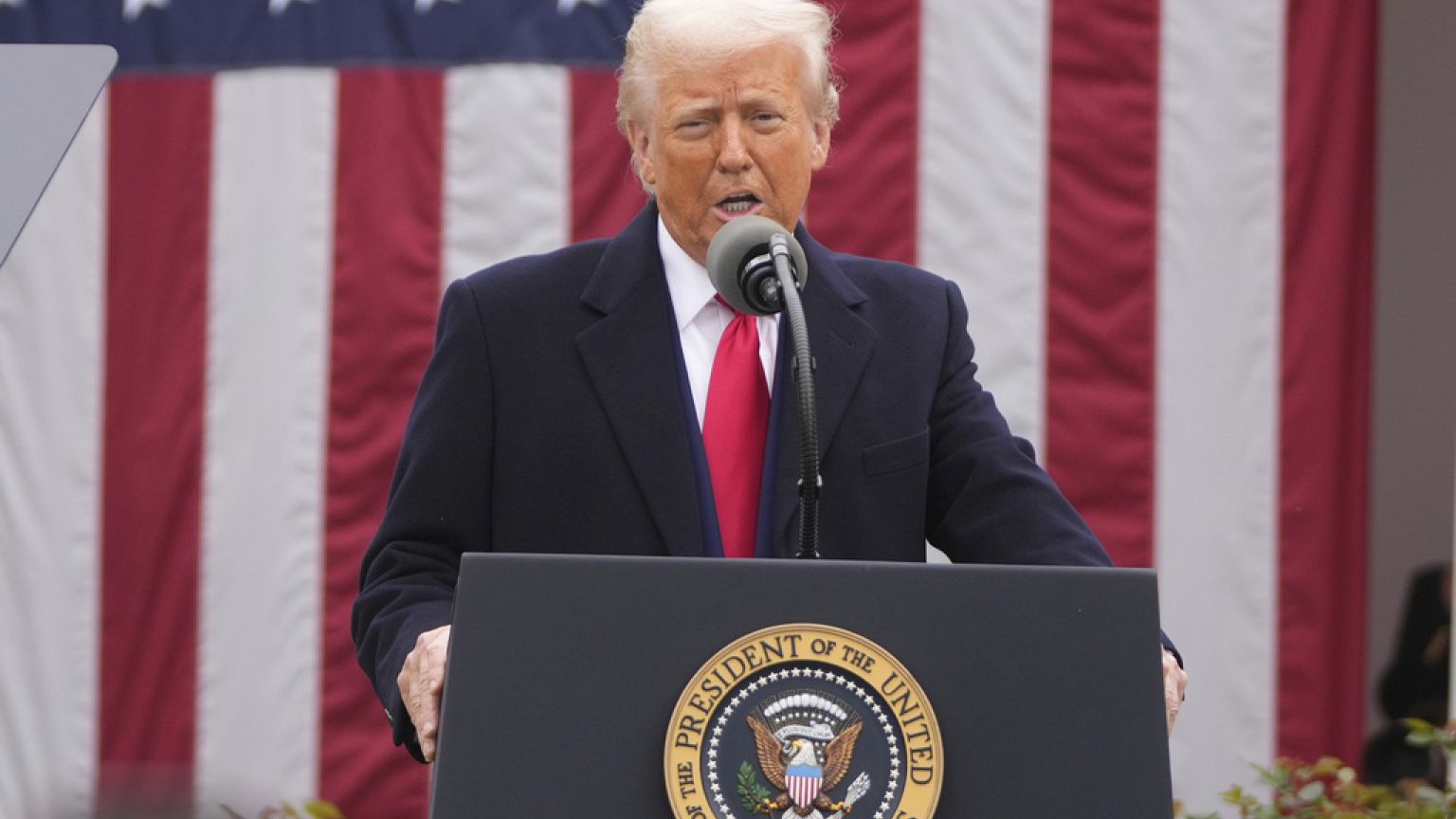
In a move that could reshape international trade relations, former U.S. President Donald Trump signed a presidential executive order on Thursday introducing new import tariffs targeting dozens of countries and regions. The announcement has triggered global reactions, with economic analysts warning of rising costs, disrupted supply chains, and increased tensions between trading partners.
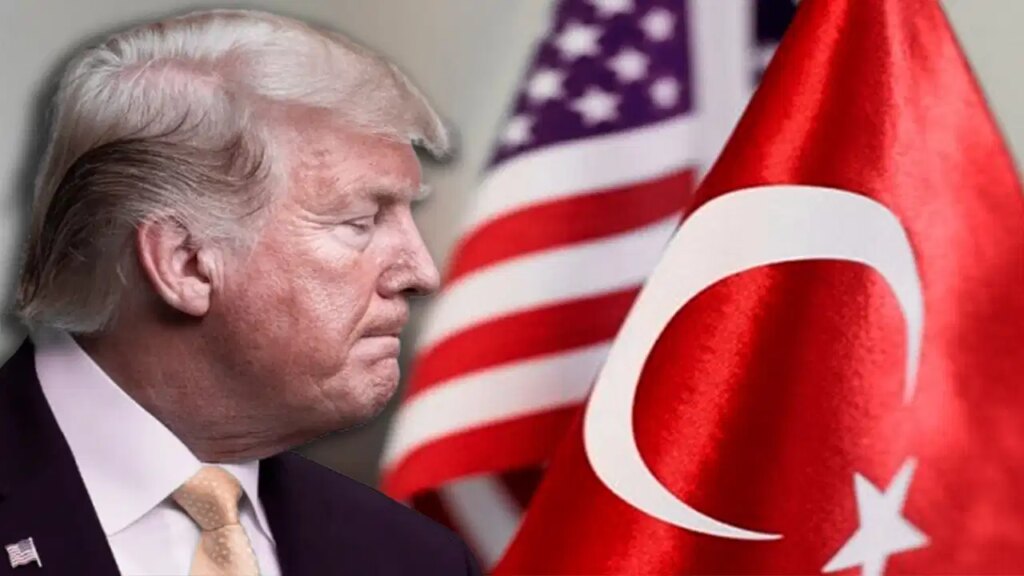
Among the affected nations is Türkiye, which will now face an additional 15 percent import tax on goods entering the U.S. The tariffs took effect ahead of the August 1 deadline originally set for finalizing key trade agreements, indicating a decisive shift in the administration’s trade strategy.
Breakdown of New Tariff Measures and Countries Affected
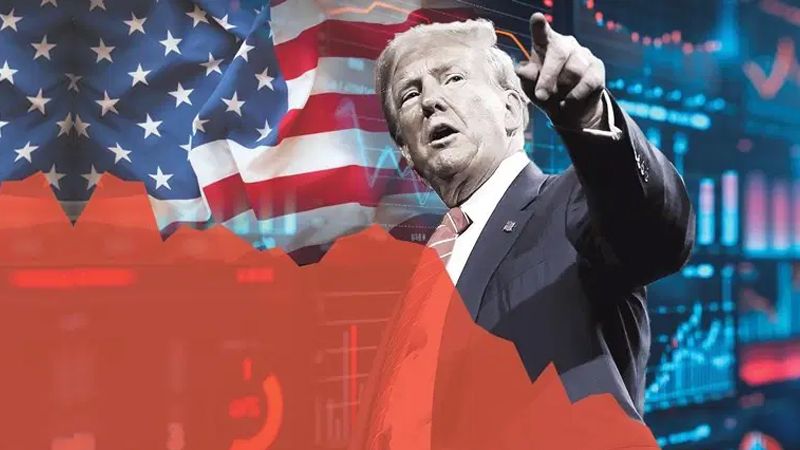
The new policy includes steep tariff hikes: 25 percent on imports from India, 20 percent on goods from Taiwan, and a staggering 30 percent on products from South Africa. Other nations impacted by the move include the United Kingdom, Israel, Syria, and Canada. While the rationale for these varying rates has not been officially clarified, the administration claims the decision aims to protect American industries from what it calls “unfair competitive practices.”
According to U.S. trade officials, the tariffs target sectors where the administration believes foreign companies are undercutting domestic manufacturers through subsidies, currency manipulation, or lax labor and environmental standards. The list reportedly includes electronics, metals, textiles, and automotive components.
Türkiye’s Position in the New Tariff Landscape
Türkiye’s inclusion in this list, and the imposition of a 15 percent surcharge on its exports to the U.S., is being closely watched by policymakers in Ankara. Although Türkiye is not among the highest-taxed nations in this round, the impact could be significant for key export sectors, including machinery, textiles, automotive parts, and agricultural goods.
Trade experts emphasize that Türkiye and the United States maintain a complex relationship—strategic in defense and regional security, yet often fraught with disagreements in economic and geopolitical arenas. The tariff decision is expected to add further strain unless bilateral negotiations are reopened to explore exemptions or revised agreements.
Global Reaction and Implications for Multilateral Trade
Reactions from affected countries have ranged from disappointment to outright condemnation. India’s Ministry of Commerce called the decision “unilateral and counterproductive,” while Canadian officials expressed regret over what they described as a setback to North American trade cooperation.
For Türkiye, officials at the Ministry of Trade noted that the country would review the implications of the decision and consult with domestic industries to evaluate possible countermeasures or diplomatic channels. The possibility of bringing the issue to the World Trade Organization (WTO) has also been raised.
Economists warn that these new tariffs, if sustained, may spark a broader round of trade retaliation, similar to the tit-for-tat actions witnessed during the U.S.-China trade war in 2018–2019. The uncertainty could dampen investment, raise consumer prices, and undermine recovery efforts in economies already grappling with post-pandemic inflation and supply chain bottlenecks.
Analyzing the Timing and Strategic Objectives
The timing of this policy shift—just before key international trade deadlines—suggests a strategic attempt to pressure countries into renegotiating existing trade terms. Supporters of the policy argue that it is a necessary corrective measure to address trade imbalances and bring back manufacturing jobs to American soil.
Critics, however, contend that the approach lacks coordination with allies and undermines decades of global trade liberalization. By targeting a diverse group of countries, including traditional allies like the UK, Canada, and Israel, the U.S. risks alienating key partners while failing to build a united front against systemic trade challenges such as intellectual property theft and market dumping.
How Türkiye Might Respond
Türkiye has several possible courses of action. It could seek diplomatic engagement to reduce or eliminate the tariffs through a bilateral agreement. Alternatively, it may consider implementing reciprocal measures, raising tariffs on selected U.S. imports as a form of strategic pressure.
At the same time, Türkiye may also accelerate its diversification strategy—expanding trade with non-Western markets, investing in domestic production capacities, and forging regional trade partnerships. The recently strengthened ties with countries in Central Asia, the Middle East, and Africa could provide a cushion against losses in the U.S. market.
Potential Impact on Turkish Industries and Consumers
Several Turkish industries stand to be affected by the new tariffs. The textile and apparel sector, which has traditionally held a strong presence in U.S. markets, may face reduced competitiveness. Turkish machinery and auto parts manufacturers could also experience a decline in demand due to increased landing costs in American ports.
Smaller exporters, in particular, may struggle to absorb the additional costs or reorient their trade strategies quickly. This could lead to production slowdowns, job cuts, or shifts in focus toward domestic and regional markets.
For consumers in the United States, the long-term effect could include higher prices on imported goods, as companies pass on the additional costs. Turkish products known for their quality and affordability may become less accessible, prompting importers to seek alternative suppliers or renegotiate pricing structures.
What This Means for the Future of U.S.-Türkiye Trade Relations
The introduction of tariffs is not just an economic move—it’s a signal of the evolving diplomatic dynamics between the U.S. and Türkiye. Over the past decade, the relationship has oscillated between cooperation and tension, influenced by military alliances, regional conflicts, energy diplomacy, and human rights concerns.
If left unaddressed, these tariffs could become another point of contention, affecting broader negotiations on defense procurement, NATO cooperation, and regional security initiatives. On the other hand, this situation could also create an opening for renewed dialogue, potentially leading to a more balanced and updated trade framework.
The Road Ahead for Multilateralism and Trade Governance
This development highlights the fragility of global trade governance structures. With institutions like the WTO struggling to enforce discipline among major economies, unilateral actions are becoming more common. The risk is that such measures normalize protectionism, disrupt international cooperation, and limit the ability of smaller economies to compete fairly.
For Türkiye and other affected nations, the challenge is twofold: to defend their trade interests while also navigating a shifting global order where traditional norms are no longer guaranteed. As the world becomes more multipolar, agility, strategic alliances, and domestic resilience will be key to withstanding economic shocks like the one now unfolding.