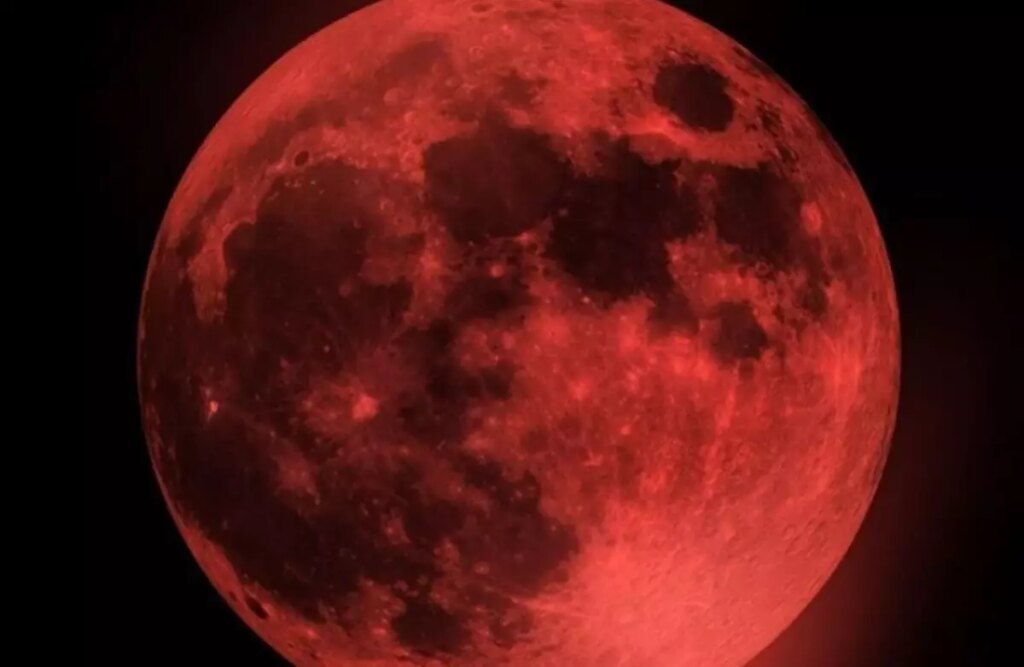

The sight of a red moon in the sky has captivated human imagination for centuries. Often referred to as the “blood moon,” this stunning natural phenomenon is not just a celestial spectacle but also a scientifically intriguing event. Whether observed during a total lunar eclipse or as a result of specific atmospheric conditions, the red hue of the moon continues to spark curiosity among both sky watchers and scientists alike.
So why does the moon appear red and what are the forces at play behind this captivating transformation in the night sky
The Atmospheric Science Behind a Red Moon
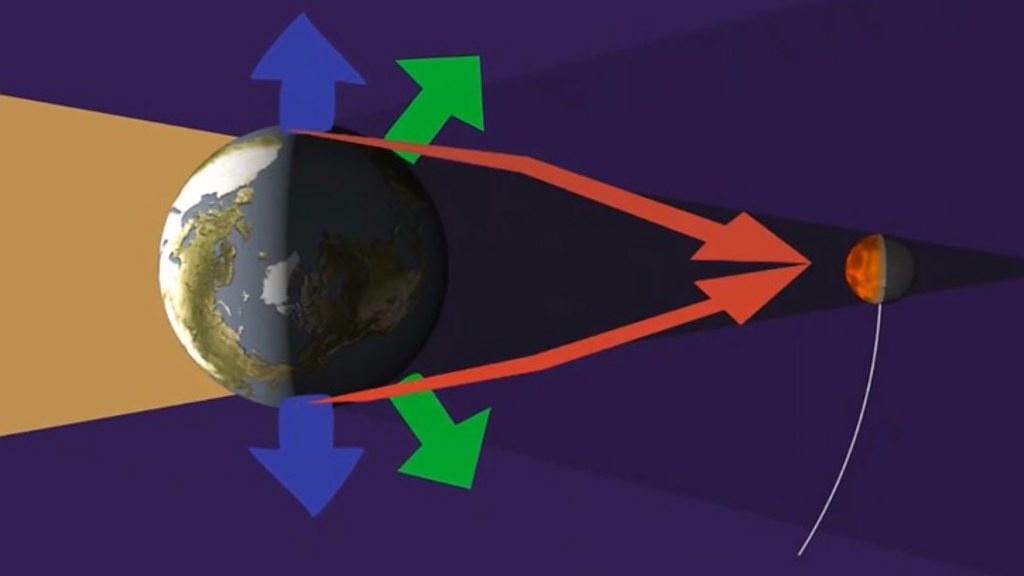
The primary reason the moon appears red is due to the way Earth’s atmosphere interacts with light. As sunlight travels through the atmosphere, shorter wavelength colors like blue and green are scattered in different directions. This process is known as Rayleigh scattering. Meanwhile, longer wavelength colors such as red and orange pass through the atmosphere more directly.
During a total lunar eclipse, Earth positions itself directly between the sun and the moon. While direct sunlight is blocked, some of the sun’s rays still reach the moon after being bent and filtered through Earth’s atmosphere. The result is a moon bathed in a reddish glow.
Total Lunar Eclipse and the Blood Moon Effect
When the moon passes entirely into Earth’s umbra — the darkest part of its shadow — we witness a total lunar eclipse. This is when the moon turns noticeably red. The light that does reach the moon during this period has traveled through Earth’s atmosphere, which acts like a lens and a filter. Only the red portion of the spectrum survives the journey and reaches the moon’s surface.
This is why the moon can appear anywhere from a rusty red to a deep copper during a full eclipse. The degree of redness depends on factors like the amount of dust, cloud cover, and pollution in the atmosphere at that specific time.
Beyond Eclipses The Moon Can Still Turn Red
Even in the absence of a lunar eclipse, the moon can appear red due to various atmospheric conditions. Volcanic eruptions, widespread forest fires, desert dust storms, or severe air pollution can release large amounts of particles into the atmosphere. These particles can scatter light in such a way that the moon appears red, especially when it is low on the horizon.
When the moon rises or sets, its light must travel a longer distance through the Earth’s atmosphere. This journey filters out shorter wavelengths and leaves red tones more prominent. This is the same reason sunsets and sunrises often display a similar red or orange tint.
Cultural and Historical Interpretations of the Blood Moon
The term “blood moon” is commonly used to describe the reddish color the moon takes during a total lunar eclipse. However, its meaning extends far beyond scientific terminology. Throughout history, the red moon has been associated with omens, prophecies, and religious symbolism in various cultures.
In ancient civilizations, a blood moon was often seen as a harbinger of significant events, from royal births to apocalyptic warnings. In more modern times, certain religious interpretations continue to view the blood moon as a spiritual or divine sign. Nevertheless, today we understand that these events are entirely natural and governed by well-understood physical principles.
What Astronomers Say About the Red Moon
For scientists and astronomers, a red moon is a predictable and fascinating aspect of lunar science. Agencies like NASA routinely observe and document these events, using them to study atmospheric composition, lunar surface behavior, and even planetary alignment.
Professional astronomers prepare for months in advance to observe total lunar eclipses. Equipped with advanced telescopes, cameras, and spectrometers, they collect data that is not only important for academic research but also stunningly beautiful for the public.
A Photographer’s and Stargazer’s Dream
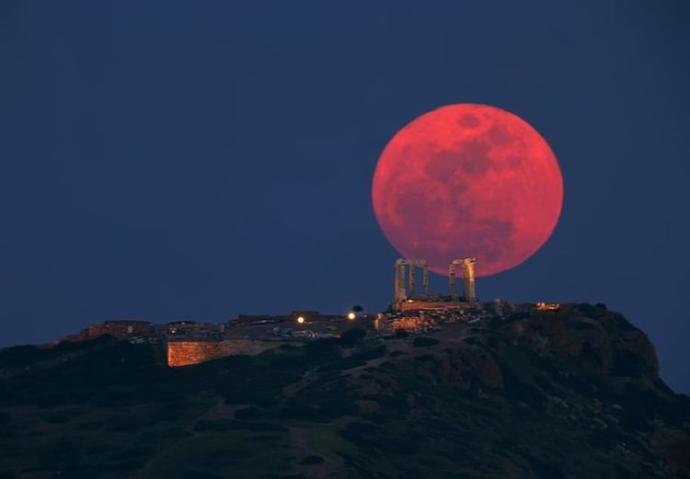
The blood moon is not just a topic of scientific interest — it’s also an artistic and emotional spectacle. Amateur and professional photographers around the world plan photo shoots around lunar eclipses to capture the beauty of the red moon. These images often circulate widely on social media, becoming viral moments that connect global audiences with the cosmos.
Skywatchers, astronomers, and nature lovers all look forward to these rare events. Observing a red moon can offer a moment of awe and reflection, reinforcing the connection between humanity and the universe.
When Will the Next Red Moon Be Visible from Türkiye
Because red moons mostly coincide with total lunar eclipses, astronomers can accurately predict when they will occur. According to astronomical calendars, the next total lunar eclipse visible from Türkiye is expected on 7 September 2025. This event is already anticipated by sky enthusiasts who want to experience one of nature’s most magical displays.
For those in Türkiye and surrounding regions, this date will provide a perfect opportunity to witness the red moon firsthand. Clear skies and minimal light pollution will enhance the experience, so many observers will likely travel to rural or elevated locations for a better view.
Understanding the Physics Rayleigh Scattering at Work
The red hue of the moon during these events is caused by Rayleigh scattering — the same phenomenon that makes the sky appear blue during the day and turns it orange or red during sunrise and sunset. When the sun’s light enters Earth’s atmosphere at a low angle, the shorter wavelengths (blue and violet) scatter out, and the longer red wavelengths continue on.
In a lunar eclipse, this red light is bent around Earth and directed onto the moon’s surface. The moon acts like a projection screen for Earth’s atmospheric color filter, giving us the famous blood moon.
Volcanic Eruptions and Pollution Can Create Red Moons Too
Some of the most vivid red moons in history occurred after large volcanic eruptions. For example, after the eruption of Mount Pinatubo in 1991, the resulting ash cloud spread across the globe and caused unusual atmospheric phenomena, including deep red moonrises and sunsets.
Similarly, massive wildfires in regions like Australia and California have resulted in temporary red or orange moons. These events are scientifically explainable and add another layer to the atmospheric factors that influence our view of the night sky.
Should We Be Concerned About a Red Moon
Despite its dramatic appearance, a red moon poses no danger. It’s not an indication of disaster or doom, but rather a routine part of celestial mechanics and Earth’s atmospheric behavior.
For those curious or perhaps slightly uneasy about this spectacle, it is helpful to understand that red moons are predictable, safe, and entirely natural. They are one of the many visual wonders offered by our solar system.
Mark Your Calendars and Get Ready to Observe
If you’re eager to witness a red moon, following astronomical calendars and space agency updates is the best way to stay informed. The upcoming 7 September 2025 event is expected to be visible in Türkiye, and with proper planning, it can be an unforgettable experience.
Bring a telescope, binoculars, or simply your eyes and a sense of wonder. Whether you’re capturing the moment with a camera or sharing it with friends and family, the blood moon is a moment worth looking up for.