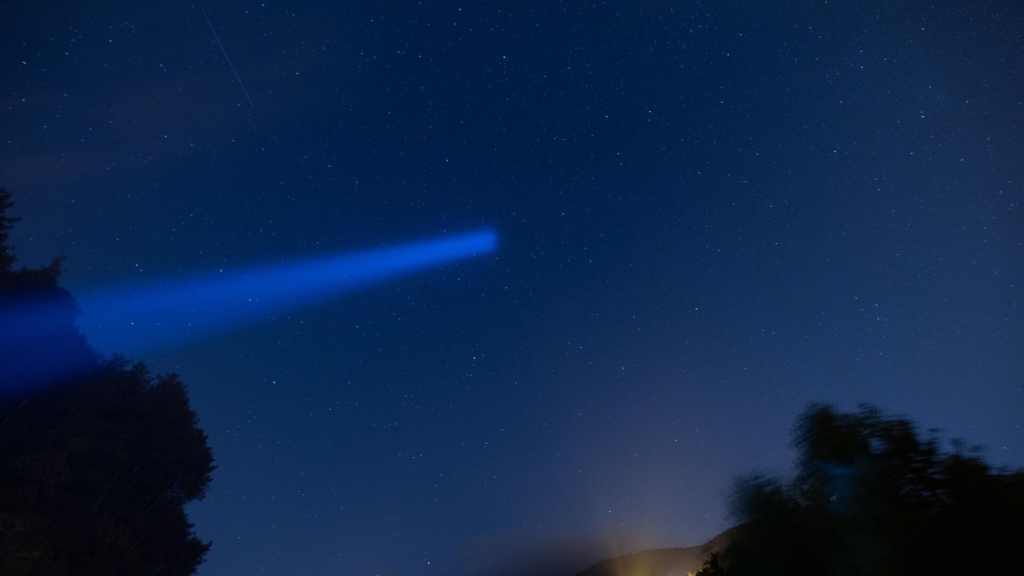

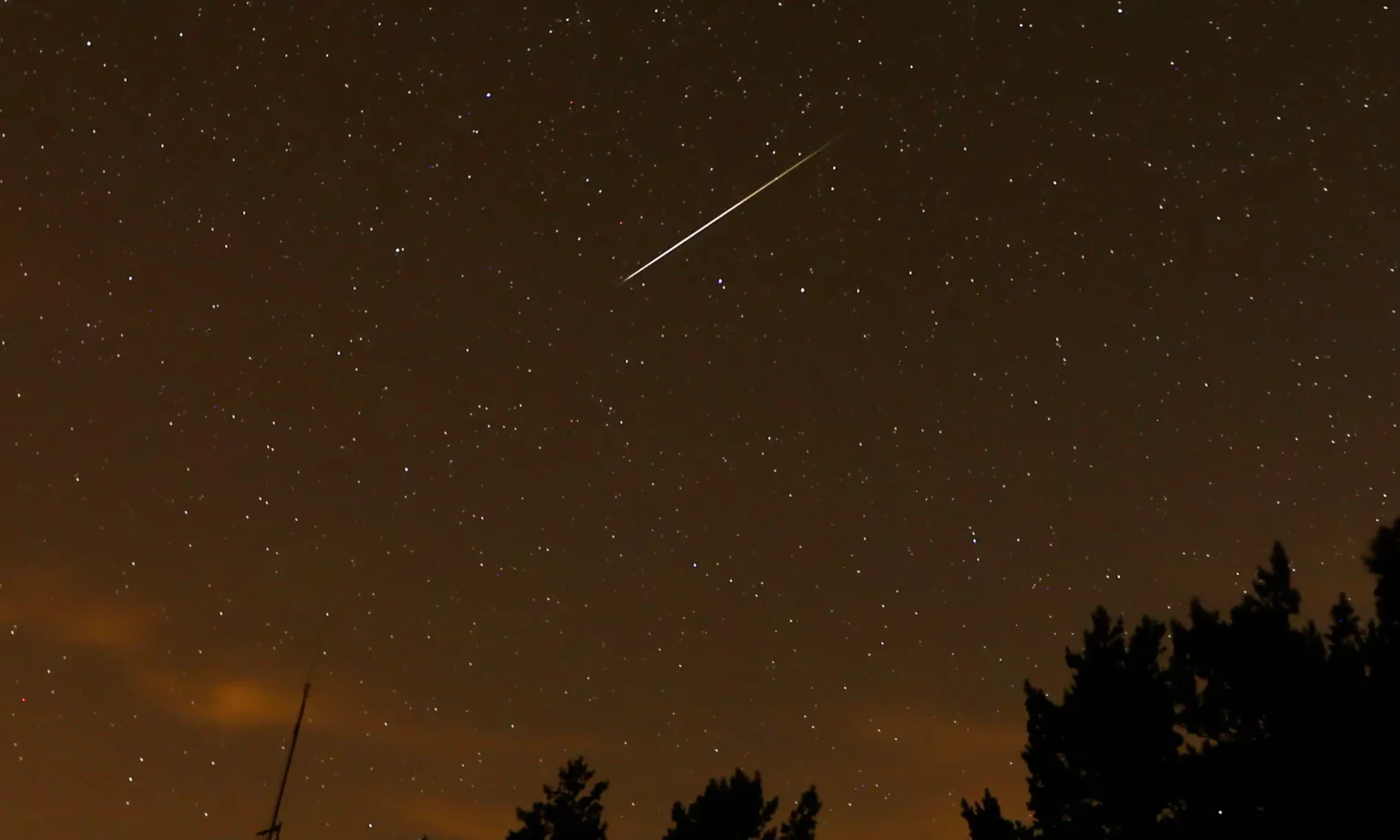
Each summer, skywatchers around the world eagerly anticipate one of the most stunning astronomical events visible to the naked eye. The Perseid meteor shower, known for its bright, fast-moving meteors and high frequency, will reach its peak this year during the night of August 12 into the early hours of August 13. From Türkiye, under the right conditions, viewers may be able to spot over 100 meteors per hour, transforming the night sky into a spectacular cosmic display.
With its origins linked to the Swift-Tuttle comet, this meteor shower is not only visually enchanting but also scientifically fascinating. Lasting from July 17 to August 24, the Perseids offer a wide window for observation, although the most intense activity is expected on the night bridging August 12 and 13, particularly from midnight until dawn.
What Makes the Perseid Meteor Shower Special
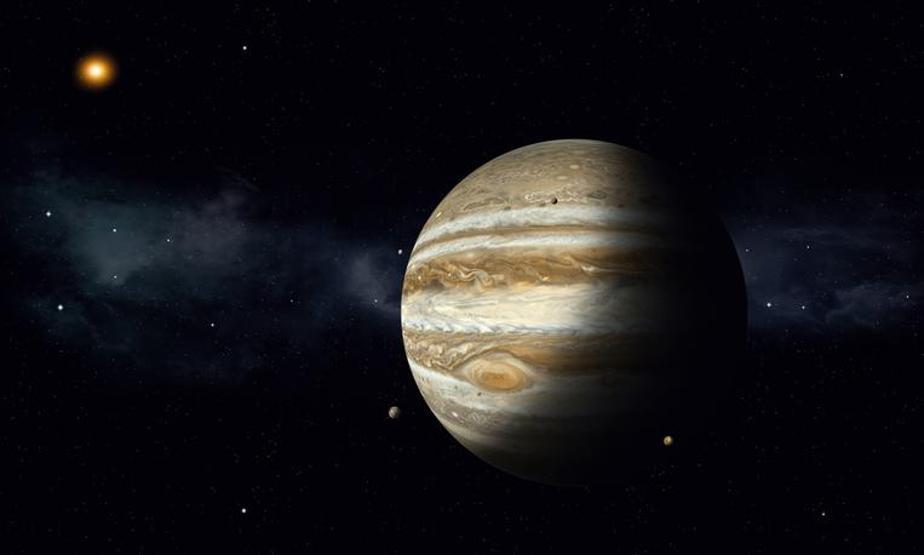
Among the annual meteor showers, the Perseids are perhaps the most well-known and beloved. They are notable for their high meteor rate, brightness, and reliability. What sets this year apart is the added planetary alignment. As meteors streak across the sky, two of the brightest planets, Jupiter and Venus, will appear closely aligned near the eastern horizon just before sunrise on August 13, making the spectacle even more visually striking.
The meteors in this shower originate from tiny debris shed by the comet Swift-Tuttle as it orbits the Sun. As the Earth passes through this stream of cosmic dust, particles enter the atmosphere at speeds of nearly 215,000 kilometers per hour. This extreme speed causes them to burn up, producing bright trails across the night sky. These fleeting flashes of light are what we see as meteors.
Viewing Tips for the Best Experience in Türkiye
Experts recommend heading to dark, open areas away from urban light pollution. The clearer and darker the sky, the more meteors will be visible. Popular spots in Türkiye for meteor watching include remote parts of the Taurus Mountains, the Aegean countryside, and national parks like Kazdağı or Saklıkent. Even suburban gardens or rooftops can offer decent views if city lights are blocked effectively.
No telescope or binoculars are required to enjoy the Perseids. In fact, the best experience comes with the naked eye, as it allows for a broader field of view. The key is to lie down, relax, and let your eyes adapt to the darkness. This adaptation takes about 30 minutes, so patience is essential.
The meteors can appear anywhere in the sky, but they generally seem to radiate from the direction of the Perseus constellation. Finding this part of the sky can help orient your viewing direction, but it is not necessary to see the show.
Will the Moon Be a Problem This Year
A full moon can reduce the visibility of meteors, and unfortunately, this year’s peak falls just a few days after a full moon. On the night of August 12, the Moon will be about 88 percent illuminated, which could wash out fainter meteors. However, brighter Perseids are still expected to pierce through the moonlight and offer a memorable show.
To reduce the Moon’s interference, viewers can choose a location where the Moon is obstructed by natural or man-made elements, such as a hill, a large tree, or a building. Additionally, turning your back to the Moon and focusing on darker areas of the sky may help improve visibility.
Why Meteors Originate from the Perseus Constellation
Meteor showers are named after the constellation from which they appear to radiate, and in this case, that’s Perseus. This is merely an optical illusion, as all the meteors in the stream are traveling on parallel paths. From our vantage point on Earth, these paths seem to converge in the night sky at a single point called the radiant.
Perseus becomes more visible in the northern hemisphere skies during late summer, making it the ideal backdrop for the Perseid meteor shower. Even if you can’t identify the constellation, the meteors will still be visible all across the sky.
The Science Behind the Spectacle
The parent body of the Perseid shower, Comet Swift-Tuttle, is a massive icy object that orbits the Sun every 133 years. It last passed near Earth in 1992 and won’t return until 2126. Despite its long absence, the debris it left behind continues to provide a stunning light show every year.
Each particle from the comet is typically no larger than a grain of sand. As they hit the atmosphere, the friction produces the brilliant glow we associate with shooting stars. Interestingly, the color of the meteor trail can provide clues about its chemical composition. For example, sodium-rich particles may appear yellow, while those containing magnesium may burn green.
Meteor Showers and Cultural Significance in Türkiye
For centuries, people in Türkiye have observed the night sky for both scientific and spiritual reasons. In some regions, meteor showers have been associated with wishes and omens. Watching shooting stars has become a beloved tradition during summer vacations, camping trips, and cultural festivals.
In recent years, municipalities and science centers in Türkiye have begun organizing public meteor viewing events. These events often include expert-led sessions, telescopic observations, and educational presentations about space and astronomy. The growing interest shows how the Perseids are inspiring a new generation of stargazers in Türkiye.
What to Bring for a Comfortable Viewing Night
Although the Perseid meteor shower doesn’t require special equipment, a few simple items can enhance your comfort and enjoyment. A reclining chair or sleeping bag allows you to lie back and scan the sky comfortably. Warm clothing or blankets may be necessary, especially in high-altitude areas where temperatures drop at night. Snacks, a flashlight with red filter (to preserve night vision), and insect repellent are also useful.
Avoid using smartphones excessively, as bright screens can reset your eyes’ dark adaptation. Instead, let the peaceful setting help you connect with the cosmos.
The Bigger Picture of Stargazing in Türkiye
Türkiye’s diverse geography, from coastal plains to high mountains and rural plateaus, makes it an ideal country for astronomy tourism. Regions with low light pollution are increasingly being recognized as dark sky destinations. With the right promotion and infrastructure, Türkiye could become a hub for international stargazing events, further boosting public engagement with science and nature.
The Perseid meteor shower is a reminder of how accessible and awe-inspiring space can be. It invites people of all ages and backgrounds to look up and wonder. Whether you are a seasoned astronomer or a curious first-timer, this event offers a shared sense of wonder that connects humanity across time and space.