
Türkiye is rapidly emerging as a strategic force in the global lubricant and petroleum-based product industry. With its growing production capabilities and ideal geographic location, the country is positioning itself not only as a regional hub but also as a significant link in the global value chain. A testament to this ambition is the upcoming international exhibition organized through a collaboration between the Lubricant and Petroleum Products Industrialists’ Association (MAPESAD) and CNG Expo.
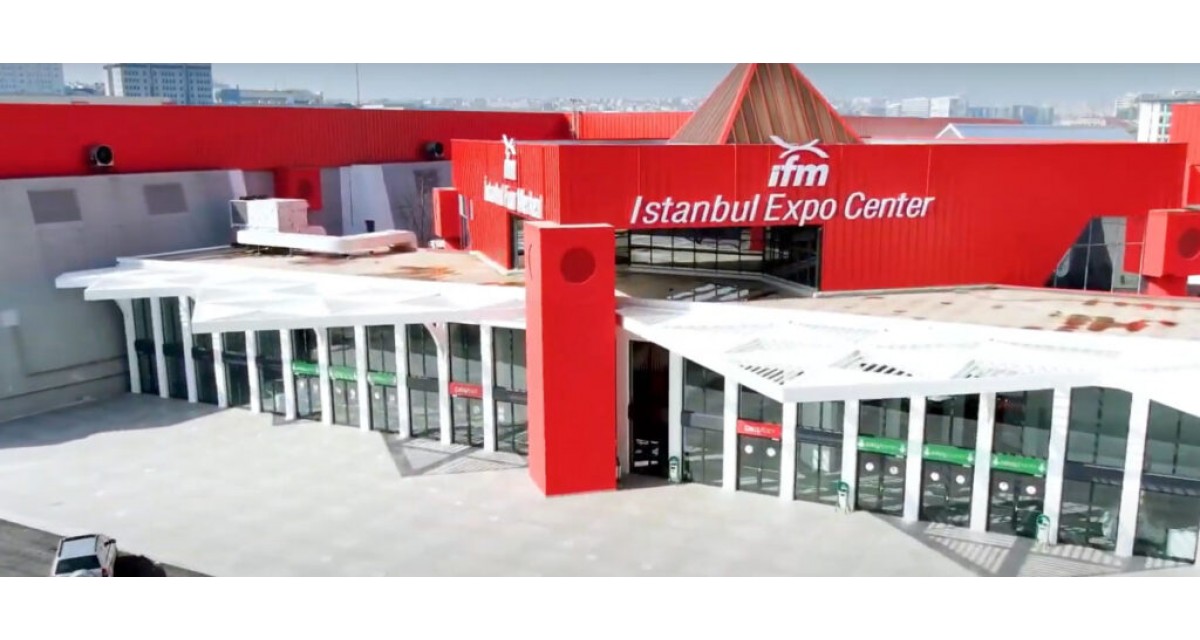
This high-profile event is expected to host more than 4,000 industry professionals from across the Middle East and North Africa (MENA), Central Asian Turkic Republics, the Balkans, Europe, and of course, Türkiye. The expo will serve as a platform for knowledge sharing, networking, and global deal-making in the evolving world of lubricants and petroleum-based products.
Türkiye’s Rising Impact in the Global Lubricant Market
According to MAPESAD President Tayfun Koçak, Türkiye is making great strides in transitioning from being a regional manufacturing base to becoming a key strategic player in the international lubricant market. This shift is supported by both quantitative growth and increasing foreign interest in Türkiye’s industrial potential.
“In 2023, Türkiye produced 754,000 tons of finished lubricants. In 2024, this figure rose to 825,000 tons, which is a clear indication of our production strength,” said Koçak. He added that the market size reached 4.5 billion dollars in 2024, and is forecasted to expand to 5 billion dollars by the end of 2025.
The broader picture is equally promising. The global lubricant market is on track to hit a staggering 205.6 billion dollars by 2032, highlighting a world of opportunities for Türkiye’s manufacturers, exporters, and industry stakeholders.
Why Türkiye is Becoming a Strategic Lubricant Hub
There are several reasons behind Türkiye’s growing influence in the lubricant sector. First and foremost is its geographical advantage. Sitting at the crossroads of Europe, Asia, and the Middle East, Türkiye offers unmatched logistical benefits. For international brands, Türkiye serves as a cost-effective base for production and re-export to nearby high-demand regions.
Secondly, infrastructure investments and industry modernization have strengthened Türkiye’s domestic production ecosystem. Local firms are increasingly adopting advanced refining technologies, R&D-driven product development, and sustainable formulations to stay competitive globally.
Türkiye is also capitalizing on the growing demand for eco-friendly and high-performance lubricants, especially in the automotive, industrial machinery, and heavy-duty equipment sectors. As emission regulations become stricter worldwide, the role of technologically advanced lubricants in energy efficiency and engine longevity is becoming more pronounced.
Expo to Bring Together Regional and Global Stakeholders
The upcoming event, led by MAPESAD and CNG Expo, is more than just a trade fair. It represents a strategic convergence point for buyers, manufacturers, distributors, and regulators. Attendees will gain access to the latest trends in lubricant chemistry, additive technologies, digitalization in oil analysis, and circular economy practices in petroleum product recycling.
Panel discussions, B2B meetings, and product launches are also expected to provide participants with in-depth insights into the regional market dynamics and emerging opportunities in Türkiye and surrounding economies.
Export Opportunities Continue to Expand
Türkiye’s lubricant exports are on an upward trajectory. Thanks to the competitive cost structure and improving quality standards, Türkiye is now exporting to over 100 countries, with particular strength in MENA, Sub-Saharan Africa, and parts of Eastern Europe.
The country’s lubricant industry is heavily involved in OEM (original equipment manufacturer) partnerships, particularly with automakers and machinery producers. This vertical integration enables local manufacturers to tailor their formulations according to client-specific requirements while ensuring international compliance.
With more incentives for export-oriented production and support from Türkiye’s Ministry of Trade, many local companies are scaling up their capacity to meet growing international demand.
Market Trends Shaping the Future
The global lubricant market is undergoing a transformation driven by several technological and regulatory trends. These include the shift toward synthetic oils, increased demand for low-viscosity formulations, and the integration of AI-based predictive maintenance systems in industrial settings.
In Türkiye, local producers are aligning with these trends by investing in product innovation and digital monitoring solutions. Many firms are launching next-generation products with lower carbon footprints, responding to both market expectations and sustainability regulations.
Additionally, the growth of electric vehicles presents a new frontier for the lubricant industry. While EVs do not require engine oils in the traditional sense, they still need thermal management fluids, gearbox lubricants, and specialized greases—all of which are areas Türkiye’s industry is actively researching and developing.
Sustainability and Circular Economy in Lubricant Production
Türkiye’s lubricant sector is also embracing re-refining technologies, which allow used oils to be purified and returned to the market with properties close to virgin oil. This practice supports a circular economy model and reduces the environmental impact of industrial waste.
The government has initiated several programs to regulate waste oil collection and recycling, providing incentives for companies that adopt sustainable practices. This effort aligns Türkiye with EU standards and strengthens its ability to export to environmentally sensitive markets.
Collaborative Innovation and Public-Private Partnerships
One of the defining characteristics of Türkiye’s lubricant industry is its collaborative spirit. MAPESAD plays a critical role in bringing together stakeholders from academia, private industry, and government bodies to drive innovation and policy alignment.
Through joint initiatives, the industry is developing certification programs, testing laboratories, and training centers to ensure continuous workforce development and product quality assurance. These public-private partnerships also support Türkiye’s ambition to become a center of excellence in lubricant research and development.
What to Expect in the Coming Years
As the global lubricant market heads toward 205.6 billion dollars by 2032, Türkiye is well-positioned to seize a larger share. Domestic manufacturers are diversifying their product lines, improving export readiness, and expanding their market reach.
With a strong industrial foundation, growing investment in R&D, and international recognition, Türkiye’s lubricant sector is no longer just a local player. It is a rising star on the global stage, and the upcoming MAPESAD-backed expo is likely to solidify that status even further.