In every social structure, challenges and conflicts naturally arise over time. When these issues go unresolved, the foundation of that structure can begin to collapse. One of the most critical and delicate structures in any society is the family. Often described as the nucleus of society, the family is where personal values are nurtured, identity is formed, and emotional security is established. If the family unit deteriorates, the overall stability of society is at risk.
Family is not only the foundation of social cohesion—it is also the sanctuary where individuals should feel the safest and most accepted. Recognizing the complexity and importance of these intimate relationships, family counseling has emerged as a structured and professional way to support families navigating emotional strain, breakdowns in communication, and lifestyle transitions.

What is Family Counseling?
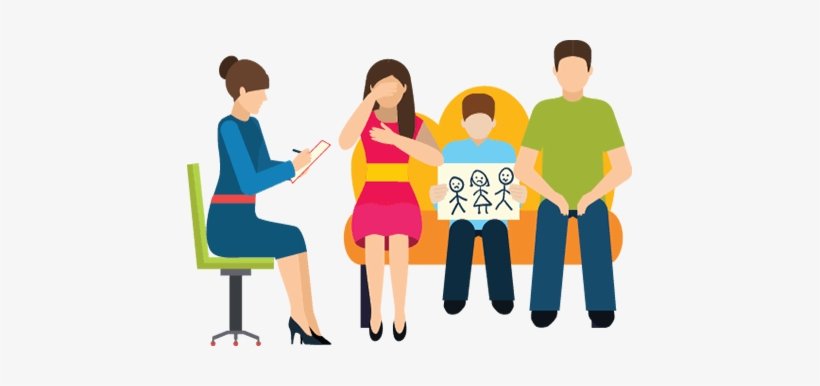
Family counseling is a therapeutic practice focused on improving relationships and resolving conflicts within a family system. It examines the dynamic interactions among family members, identifying communication breakdowns, behavioral patterns, and sources of emotional distress. Rather than isolating one individual as the source of the problem, family counseling views the family as a whole and works to restore balance and functionality within the group.
Counselors provide a neutral space where family members can express themselves openly and work through unresolved issues with professional guidance.
Core Objectives of Family Counseling
Understanding Emotional Dynamics: Counselors assess emotional fractures within the family and guide individuals toward emotional repair.
Improving Communication: Family counseling helps members learn to express thoughts and feelings clearly, listen with empathy, and respond without blame.
Restoring Respect and Acceptance: Sessions foster an environment where each member is encouraged to accept one another as they are, without judgment or resentment.
Navigating Life Transitions: Counselors support families dealing with divorce, separation, bereavement, chronic illness, or a child leaving home.
Clarifying Boundaries: Healthy boundaries are encouraged—both emotional and behavioral—so each member understands their roles and responsibilities.
Areas of Focus in Family Counseling
Family counseling is versatile and addresses a broad range of relational issues, including:
Marital communication problems
Parent-child conflicts
Divorce and separation processes
Issues related to infidelity
Family-wide trauma, grief, or life-altering events
The process is collaborative, involving not just the “problematic” individual but all affected members. This systemic approach helps reveal underlying causes of dysfunction rather than treating only the symptoms.
The Importance of Perspective in Conflict Resolution
A key principle in family counseling is the acknowledgment of multiple perspectives. While each family member may interpret a conflict differently, the counselor introduces new angles, encouraging mutual understanding. By bringing these varied perspectives into a safe, mediated space, misunderstandings can be replaced with clarity and compassion.
Members learn to:
Listen to each other with respect
Recognize and validate different emotions
Communicate intentions clearly and openly
Rebuild trust after conflict or betrayal
How Family Counseling Differs from Individual Therapy
Whereas individual therapy centers on a single person’s thoughts, emotions, and behaviors, family counseling is inherently relational. It explores how each member contributes to, and is affected by, family dynamics. Sessions are typically held with all involved family members present, emphasizing collective growth rather than isolated healing.
This approach is especially effective for:
Children struggling to adapt after parental separation
Spouses dealing with repeated cycles of argument and distance
Sibling rivalry or unresolved childhood patterns
Entire households facing a shared crisis, such as illness or relocation
The Psychological Foundation: Structure, Safety, and Communication
One of the core strengths of family counseling lies in its ability to provide a structured yet safe environment. Families are encouraged to address difficult topics in a space where emotions are acknowledged without judgment. This setting promotes vulnerability and honesty, key ingredients for true healing.
Counselors facilitate discussions that might otherwise be too emotionally charged to handle privately. Over time, families can develop healthier patterns of interaction, renewed empathy, and functional decision-making processes.
Long-Term Goals of Family Counseling
The ultimate aim is not merely to resolve one-time disputes but to create a lasting improvement in the way the family functions. Specific goals include:
Enhancing emotional intimacy
Reducing recurring conflict
Building problem-solving skills
Promoting flexibility and resilience
Establishing mutual respect and healthy boundaries
Through consistent sessions and active participation, families can become more connected, emotionally intelligent, and supportive of one another’s growth.
A Family-Centered, Not Individual-Centered Approach
Family counseling does not seek to diagnose or blame one person. Instead, it examines how interactions evolve over time, how communication styles develop, and how emotional needs are met—or neglected. This method fosters systemic change, empowering families to break unhelpful patterns and replace them with constructive alternatives.
Creating Space for Healing
Every family has its own language, rules, and emotional rhythm. Family counseling brings this unspoken dynamic into the open. Whether through guided dialogue, role reversal, or reflection exercises, the process helps each member rediscover their voice and redefine their place within the family system.
In a world where personal and collective challenges can overwhelm even the strongest bonds, family counseling offers a lifeline. It reinforces the idea that healing is not only possible—it is shared. And when a family heals together, every member becomes stronger.