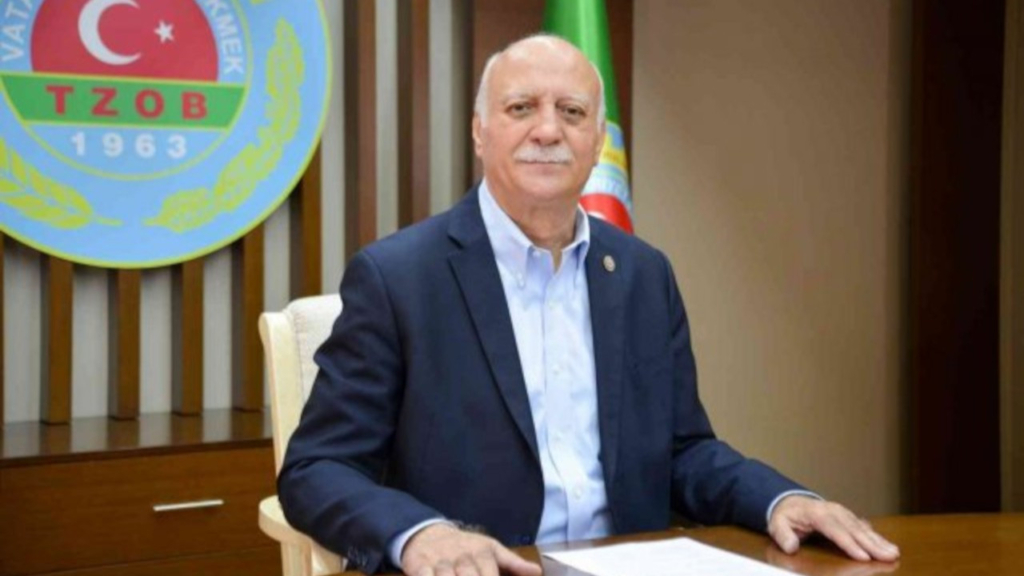

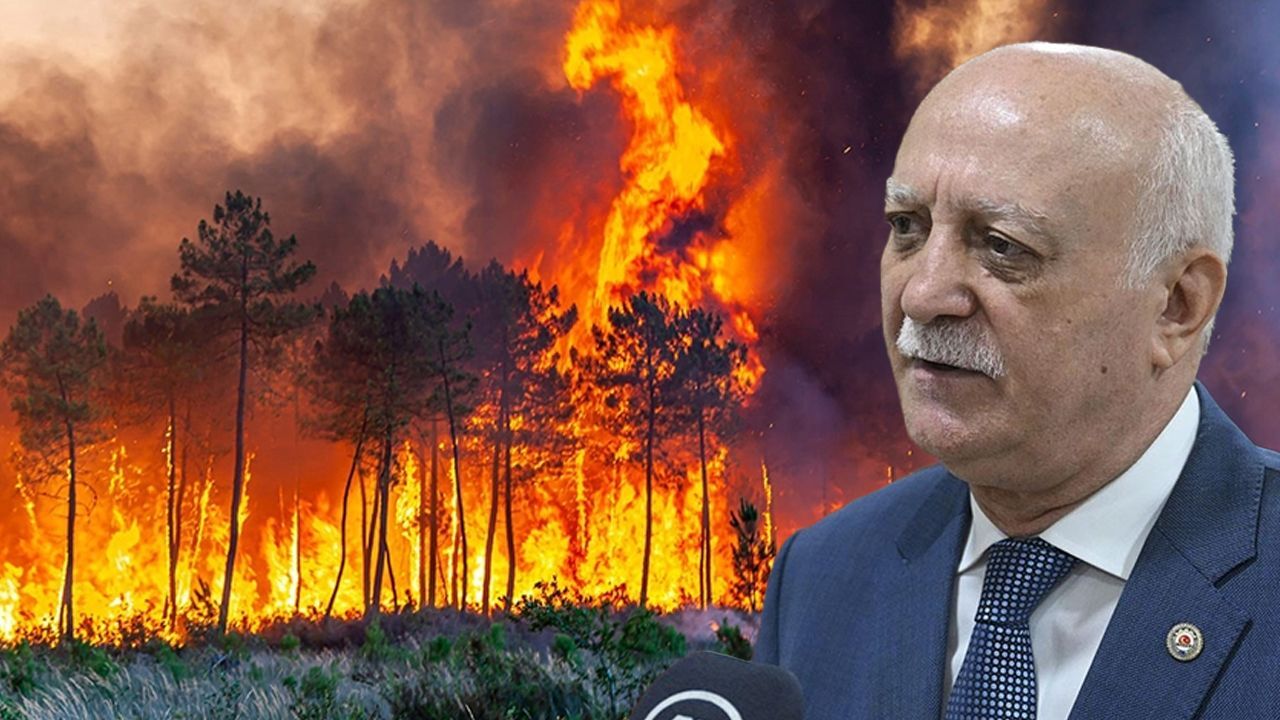
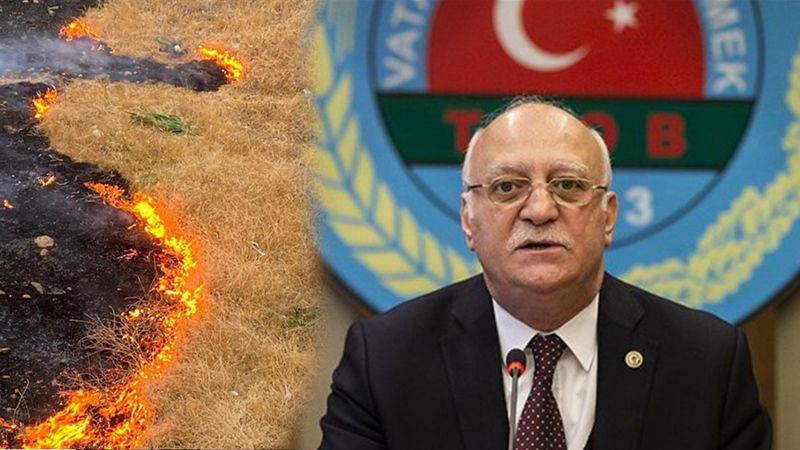
Karabük has recently witnessed the destructive force of wildfires, with several rural areas affected by the flames. In response, Türkiye Ziraat Odaları Birliği (Union of Turkish Agricultural Chambers) President Şemsi Bayraktar traveled to Kamış village’s Aşağı Yaka neighborhood to inspect the damage firsthand and offer solidarity to the local population. His visit underlined the human, environmental, and agricultural toll of escalating forest fires in Türkiye, while also calling for stronger public awareness and long-term solutions.
On-Site Observations in Fire Zones
Bayraktar, speaking to Anadolu Agency (AA) during his visit, expressed his condolences to the people of Karabük, emphasizing that the absence of any loss of life was the only relief in an otherwise devastating situation. “We were able to witness the scale of destruction with our own eyes. The magnitude of this disaster is deeply saddening,” he said.
During his visit, Bayraktar met with residents, surveyed the damage, and assured villagers that their concerns were being heard at the national level. His words offered a measure of comfort to communities still grappling with the emotional and material aftermath of the fires.
Türkiye’s Fire Burden Grows with Each Year
Bayraktar pointed to a worrying national trend—Türkiye is experiencing an alarming increase in wildfires year after year. “Last year, we recorded nearly 3,700 wildfire incidents. Unfortunately, in just the first half of this year, we’ve already faced as many fires as we did in the entire previous year,” he reported.
The rise in wildfire frequency has been linked to climate change, prolonged drought periods, and record-breaking heatwaves that are becoming more common across Türkiye. These changing climate conditions are creating an environment where fires ignite more easily and spread more rapidly.
Nationwide Mobilization and the Spirit of Solidarity
Despite the challenges, Bayraktar emphasized the resilience of the Turkish people and institutions. “We have witnessed the wisdom and strength of our nation, just as we do in all natural disasters,” he said. “All public institutions, volunteers, and local citizens are united in their response.”
He extended gratitude to every individual involved in the firefighting and recovery efforts—especially volunteers and public employees who worked tirelessly to protect lives, homes, and farmland.
Human-Caused Fires Still the Majority
A crucial concern raised by Bayraktar was the human factor in forest fires. “Approximately 89% of wildfires in Türkiye are caused by human activity,” he said, stressing that this statistic alone should prompt urgent educational campaigns.
From improperly discarded trash to illegal stubble burning, many everyday practices are contributing to devastating consequences. “Even a single plastic bottle or glass left in the woods can act like a magnifying lens, starting a fire under the sun’s intense heat,” Bayraktar warned.
He noted that a significant portion of fires—around 6 to 7 percent—originates from stubble burning, a method sometimes used by farmers to clear land. He reiterated that farmers have been repeatedly warned against this practice, and authorities will continue their outreach efforts to prevent such behaviors.
Public Awareness Is Key to Prevention
Bayraktar emphasized that no technical solution will be effective unless accompanied by widespread public education. “We need to begin working immediately on long-term preventive measures,” he urged. “This means educating people across all age groups, collaborating with NGOs, government institutions, and volunteers.”
He added that every citizen must take personal responsibility for forest protection: “Protecting forests means protecting life itself. When a forest burns, it’s not just the trees—it’s every living being within that habitat. The loss affects ecosystems, wildlife, and future generations.”
Agricultural Support and Recovery Efforts
Bayraktar also touched upon the economic damage caused by the fires, particularly to farmers in affected areas. “There are many farmers here who have lost their crops or seen their properties damaged. We are here to assess what more we can do,” he said.
Although initial damage reports have already been compiled, Bayraktar emphasized that his visit was intended to identify areas where Türkiye Ziraat Odaları Birliği can offer direct assistance. Whether through financial aid, supply distribution, or advocacy at the national level, he confirmed the organization’s commitment to standing by those impacted.
Government Institutions on Full Alert
Bayraktar praised the swift mobilization of public agencies, noting that all relevant state institutions were actively working in the disaster zones. “We’ve seen firsthand that the state is fully present here. Every institution is doing its part,” he affirmed.
He also pledged to work from the capital to accelerate the delivery of aid, promising, “In Ankara, we will ensure that the support our farmers and villagers need reaches them quickly and effectively.”
Listening to the People
After his official assessments, Bayraktar spent time in various neighborhoods within Kamış village, listening directly to citizens who had endured the traumatic experience of the fires. Residents shared their concerns about rebuilding, compensation, and preventive strategies for the future.
The dialogue underscored the need for more robust disaster preparedness frameworks that combine scientific expertise, traditional knowledge, and community involvement.
A Call to Action for the Future
As Türkiye continues to navigate the environmental challenges posed by climate change, Bayraktar’s visit serves as a reminder that resilience must be matched with responsibility. The rising frequency and intensity of wildfires require not only reactive strategies but also long-term planning and cultural shifts in how society interacts with nature.
From individual behavior to institutional policy, preventing wildfires demands a coordinated and sustained effort. Bayraktar’s final message encapsulated this sentiment: “Now is the time to act—before even larger disasters come our way.”
His call resonates not just with Karabük, but with all regions vulnerable to fire risks across Türkiye.