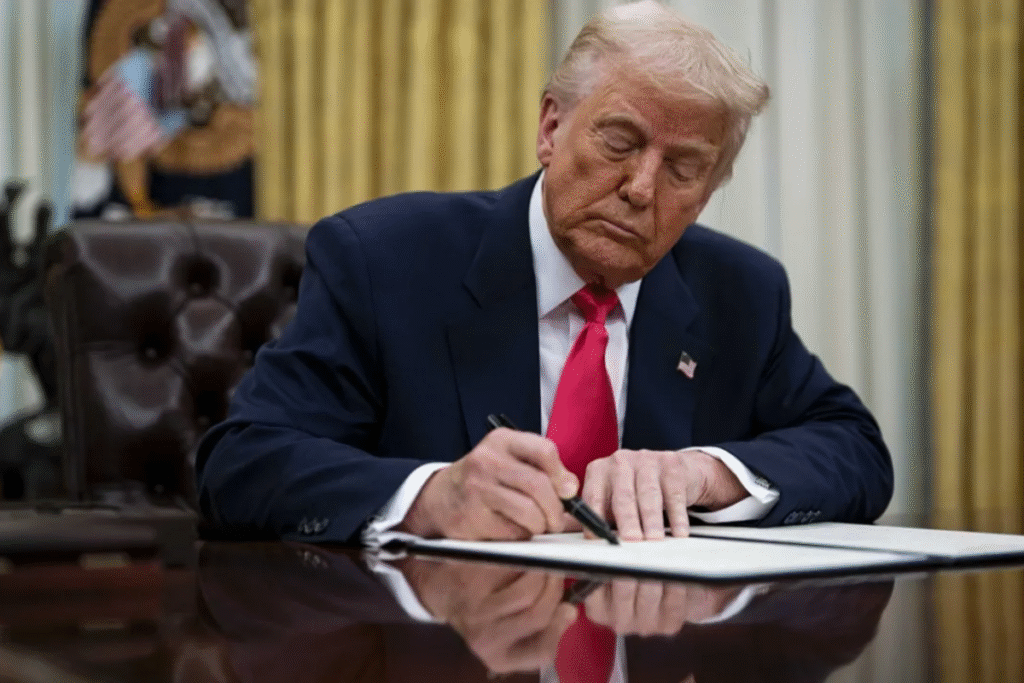

In a move that could reshape global trade dynamics, former U.S. President Donald Trump signed an executive order introducing a revised framework of retaliatory tariffs, targeting several countries with rates ranging between 10% and 41%. Türkiye is among the nations affected, with its customs duty increased from 10% to 15%.
The White House confirmed that the decision aligns with Trump’s strategy of reducing the United States’ widening annual goods trade deficit. According to the statement, these new tariffs are intended to enforce “reciprocal” trade treatment and push countries toward more favorable agreements with Washington.
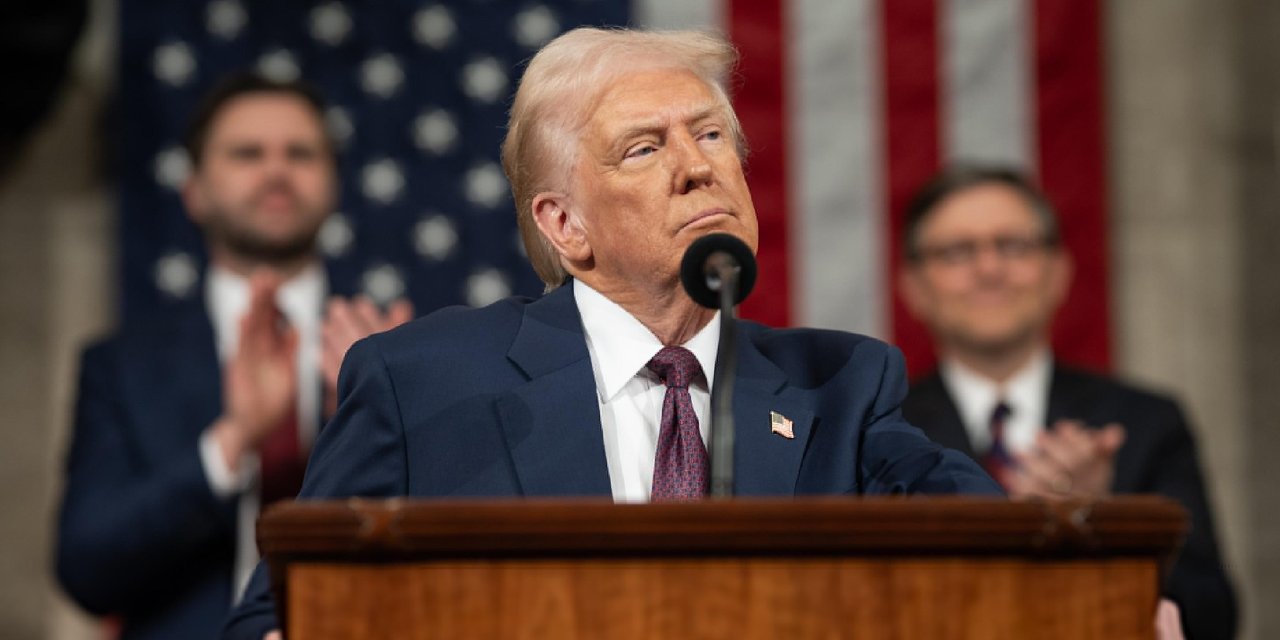
Reciprocity at the Core of Trump’s Trade Strategy
This recent executive order reflects Trump’s long-standing belief that the U.S. has, for years, engaged in uneven trade relationships, often placing American producers at a disadvantage. The principle of “reciprocity”—that foreign countries should mirror the trade conditions extended to them by the U.S.—serves as the backbone of the new directive.
Trump’s administration highlighted that since the announcement of his reciprocal trade initiative on April 2, several nations have signaled willingness to engage in deeper economic and security dialogues. Others have already entered negotiations or proposed concessions in an effort to avoid steeper tariffs.
However, the White House also pointed out that certain countries have shown no intention of entering talks, thus prompting the need for unilaterally imposed tariff adjustments.
Türkiye Among Countries Facing Higher Customs Taxes
Under the newly signed order, Türkiye’s customs duty has been officially raised from 10% to 15%, placing it among several nations being penalized for perceived imbalances in trade practices. Other countries and their respective new tariffs include:
India: 25%
Indonesia: 19%
Iraq: 35%
Israel: 15%
Malaysia: 19%
Norway: 15%
Switzerland: 39%
Syria: 41%
Taiwan: 20%
Vietnam: 20%
Countries not specified in the order will continue to face a default 10% tariff.
Tariff Adjustments to Take Effect in One Week
The order stipulates that the revised tariff rates will go into effect seven days after publication. This relatively short timeline suggests that businesses engaged in international trade will need to adapt quickly to avoid potential logistical and financial setbacks.
Exporters, importers, and multinational corporations are now evaluating how the increased customs costs will influence their operations and product pricing—particularly in sectors such as automotive parts, machinery, textiles, and consumer electronics, which are commonly exchanged between Türkiye and the United States.
Economic Implications for Türkiye
The hike in Türkiye’s tariff rate comes at a delicate time for the Turkish economy, which continues to navigate inflation pressures, currency fluctuations, and efforts to boost export-led growth. The decision is likely to have direct implications for exporters targeting U.S. markets, especially small-to-mid-sized enterprises that are more sensitive to cost increases.
Furthermore, the move may exacerbate existing trade tensions between the two countries. Despite NATO ties and long-standing diplomatic relations, Washington and Ankara have seen friction in recent years over defense deals, regional policy disagreements, and sanctions-related disputes.
Global Trade Environment Faces Uncertainty
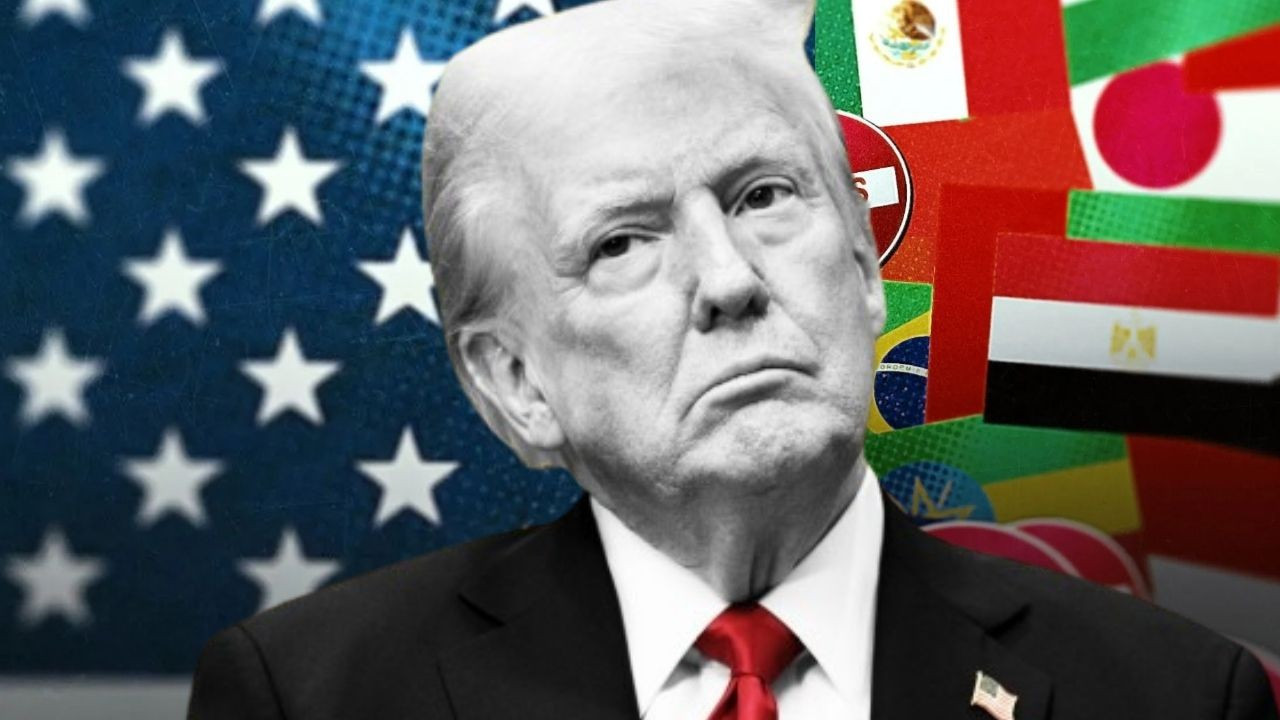
Trump’s tariff policies are not isolated in their impact. The revised duties signal a broader return to protectionist measures that characterized his previous administration’s trade philosophy. While proponents argue that such policies help safeguard domestic industry and incentivize fairer global trade, critics contend they risk igniting trade wars and destabilizing international commerce.
For Türkiye, the challenge now lies in diversifying its trade relationships while lobbying for revised terms with the U.S. to mitigate long-term consequences. Turkish trade officials are expected to issue formal responses and possibly initiate bilateral talks in the coming weeks.
Looking Ahead: Potential for Bilateral Negotiation
Although the executive order represents a concrete shift in U.S. trade posture, it also leaves room for diplomacy. The White House acknowledged that some nations are either engaged in negotiations or considering strategic economic arrangements to counterbalance the tariff hikes.
Türkiye, known for its agile diplomatic and trade maneuvering, may explore these channels to restore a more favorable tariff structure. The Turkish Ministry of Trade is expected to assess the legal and economic dimensions of the new measure, possibly appealing through international platforms or initiating bilateral negotiations to reach a compromise.
As the global economic landscape continues to evolve in the post-pandemic era, trade policies such as this one will likely remain a point of contention, shaping both diplomatic relations and financial markets in the months ahead.