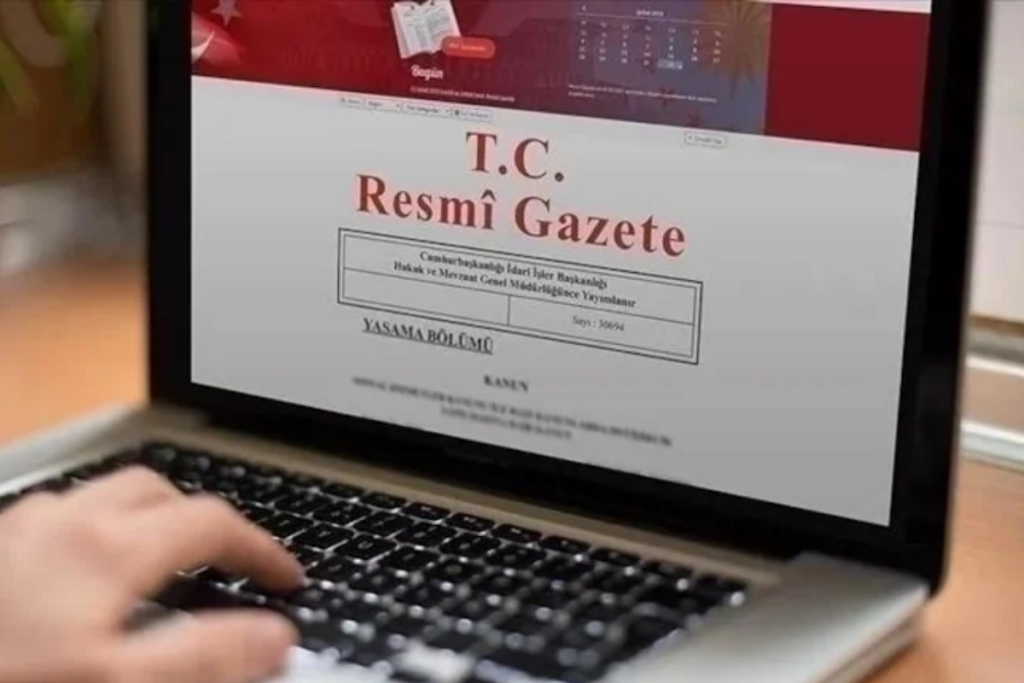

A new Presidential Decree published in Türkiye’s Official Gazette has authorized the inclusion of nine publicly owned real estate assets in Istanbul into the country’s ongoing privatization program. These properties, currently registered under the ownership of the Treasury (Maliye Hazinesi), will be privatized through a variety of legal and financial models, signaling the government’s continued commitment to efficient public asset management.
The properties are distributed across several key districts of Istanbul: three in Fatih, two in Kadıköy, and one each in Kartal, Silivri, Şişli, and Zeytinburnu. The inclusion of these assets marks a new phase in the government’s broader privatization strategy aimed at optimizing the use and economic value of state-owned properties.

Privatization Methods to Include Sales, Leases, and Revenue-Sharing Models
The decree outlines that the privatization process may involve a combination of methods, including direct sales, long-term leases, revenue-sharing agreements, or other forms of legal arrangements aligned with market requirements. These mechanisms may be applied individually or in conjunction to maximize value.
Notably, the decree allows for the establishment of limited property rights (gayri ayni haklar) and the transfer of operating rights, providing flexibility in structuring public-private partnership models tailored to investor interests and urban development plans.
All privatization procedures are to be completed by December 31, 2028, offering a structured timeline for both the public and potential private sector stakeholders.
Strategic Location and Urban Development Potential
Each of the districts named in the decree holds strategic significance in Istanbul’s urban and economic landscape. Fatih and Kadıköy are historically and commercially vital zones, while Kartal and Silivri offer expansive growth corridors on the Asian and European sides of the city, respectively. Şişli and Zeytinburnu, meanwhile, are central areas with high commercial and residential demand.
The selected locations suggest a focus on high-potential areas that could attract both domestic and international investors. The properties are expected to be of interest to sectors such as real estate development, retail, hospitality, and logistics.
Revenue to Support Public Infrastructure Through the Treasury
Proceeds from the privatization will not be absorbed into general state expenditures. Instead, the income—after deducting related costs—will be allocated to the Treasury specifically for funding new service buildings for the Revenue Administration (Gelir İdaresi Başkanlığı). This earmarking of funds ensures that the financial gains are reinvested into improving public services and institutional capacity.
This approach reflects a broader fiscal discipline model where asset optimization directly supports national infrastructure goals, rather than short-term budgetary relief.

Privatization as Part of Türkiye’s Structural Reform Agenda
Türkiye’s privatization program has evolved significantly over the past two decades, shifting focus from selling large-scale public enterprises to managing underutilized real estate and infrastructure assets. This transition aligns with the country’s urban transformation goals and broader economic reforms aimed at enhancing public sector efficiency.
The use of hybrid models such as revenue-sharing and operational rights indicates a preference for long-term value creation over immediate revenue generation. These models allow the state to retain some control or benefit from future income streams while still unlocking the development potential of the properties.
Investor Outlook and Urban Regeneration Opportunities
The announcement is likely to spark interest from real estate developers, investment funds, and international stakeholders looking to participate in Türkiye’s urban growth. Given Istanbul’s evolving skyline and high demand for premium spaces, the privatization of state assets in prime districts could offer attractive returns for investors.
In addition, the projects are expected to contribute to urban regeneration by transforming dormant or inefficiently used public land into productive spaces that meet modern infrastructure and housing needs.
Balancing Fiscal Responsibility and Economic Development
This latest move underscores the government’s attempt to balance fiscal responsibility with strategic economic development. By recycling public assets into revenue that supports essential services, Türkiye aims to reduce budgetary pressure while enhancing institutional functionality.
At the same time, the initiative provides the private sector with opportunities to collaborate on projects that reshape Istanbul’s urban identity, create jobs, and stimulate construction, design, and service industries.
Looking Ahead
As the 2028 deadline for completing these privatizations approaches, regulatory clarity and investor outreach will be critical. Stakeholders will be looking for transparency in the tendering process, zoning permissions, and long-term development rights.
The properties’ transformation under private sector stewardship is anticipated to not only contribute to economic growth but also serve as a benchmark for future public asset management practices.
This initiative reinforces Istanbul’s role as a dynamic hub for investment and urban innovation, while also advancing Türkiye’s long-term public finance and modernization goals.