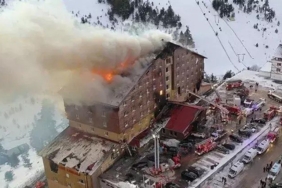

The phrase “Türkiye is burning” has become more than a dramatic cliché. In recent years, the country has consistently experienced temperatures far above seasonal norms, with some regions going nearly two months without rain. As global warming becomes a universal concern, Türkiye, too, finds itself increasingly entangled in a cycle of rising heat and shrinking rainfall.
Yet the tale of extreme temperatures on Anatolian soil is not limited to the modern era. Historical accounts—some centuries old—paint a vivid picture of a land where heat has always played a formidable role.
Evliya Çelebi’s Warnings from the Past
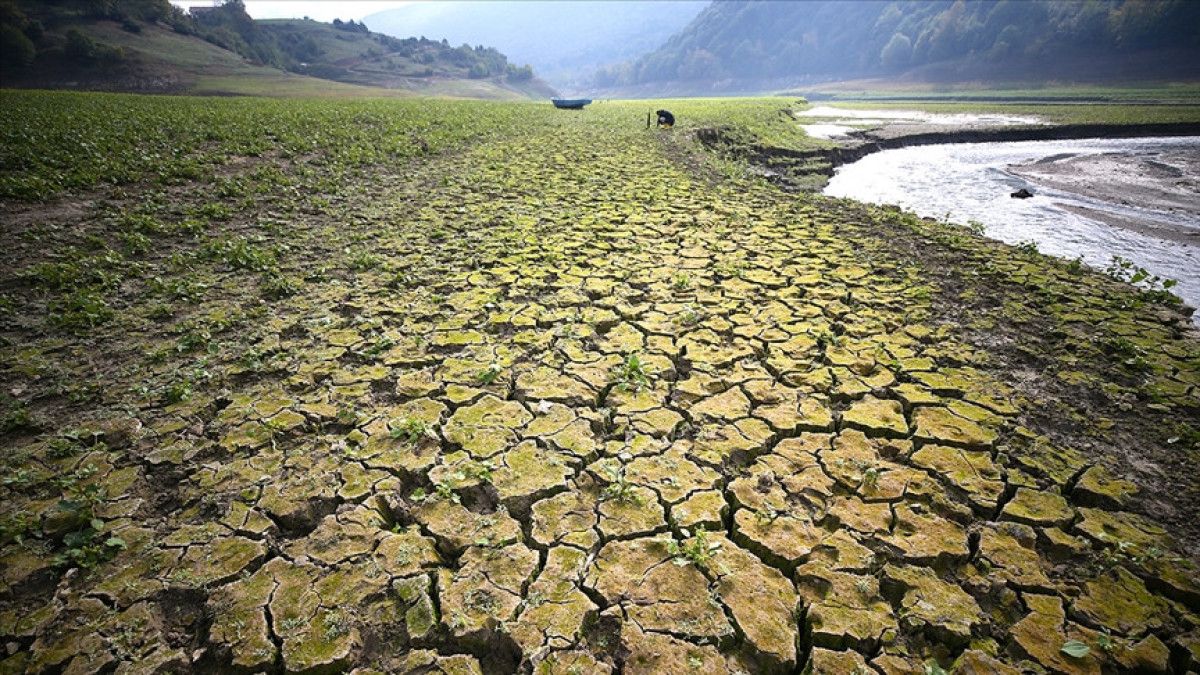
Long before the systematic collection of meteorological data began in the early 1900s, temperature extremes were recorded in more anecdotal terms—through descriptions of droughts, famines, and unbearable heat.
One of the most well-known chroniclers of climate in the Ottoman era was Evliya Çelebi, the famed 17th-century traveler who roamed across 47 countries and documented his journeys in extensive detail. In his writings, Çelebi often referred to regions like Syria, Egypt, Palestine, and the Çukurova plain as “hot lands” with phrases such as “waters are warm, air is scorching, a place too hot for human endurance.”
His references even included the ancient Alexandrian geographer Ptolemy, underscoring just how deeply ingrained extreme weather patterns were in early geographic and cultural understanding.
Government Measures Against the Heat in Ottoman Times
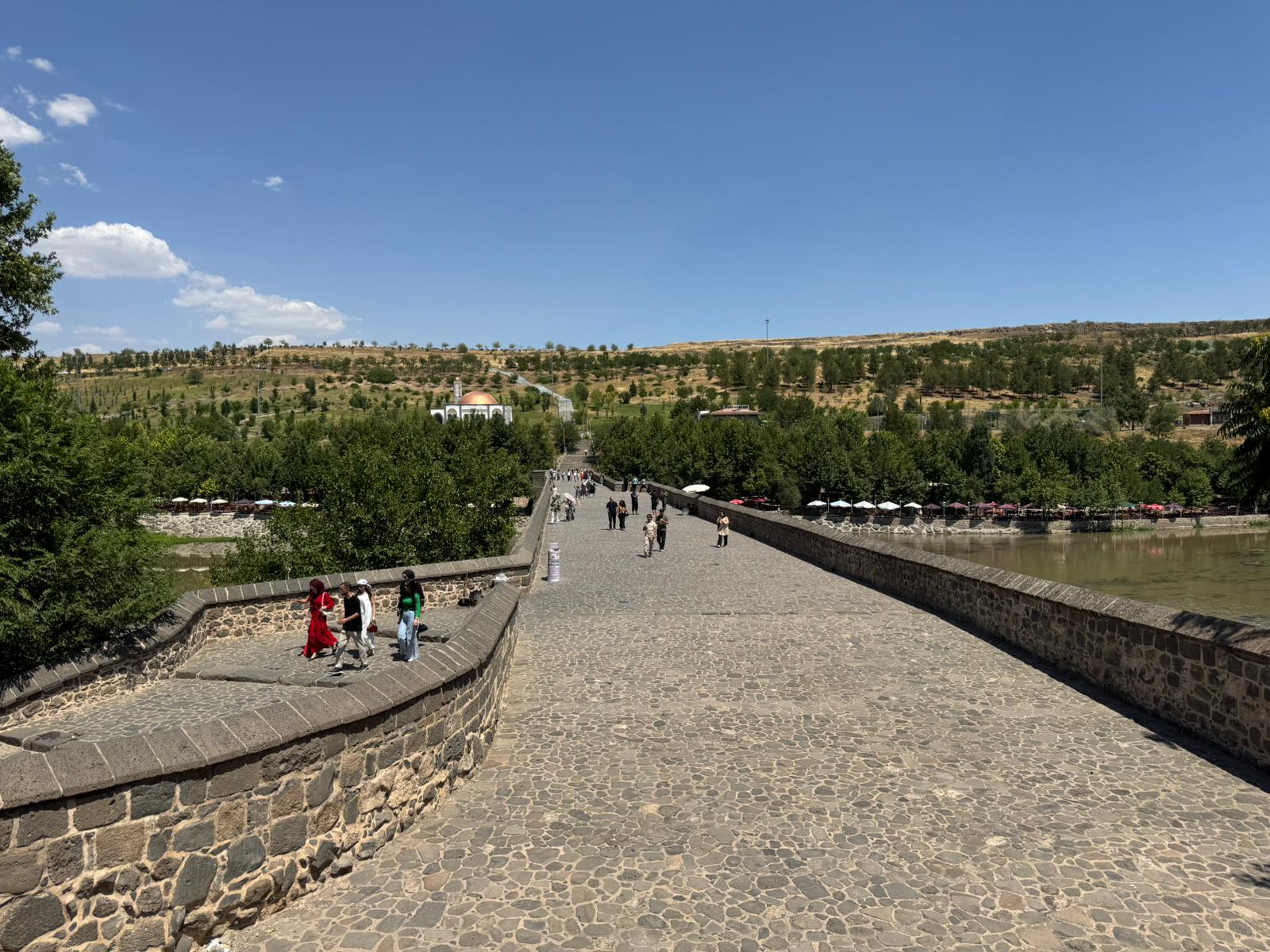
Recognizing the debilitating effects of extreme heat, the Ottoman administration introduced unique policies to manage state officials working in the hottest regions. Assignments in places like Çukurova, Diyarbakır, and Urfa were intentionally kept short, and annual leave allowances were extended.
Even with these allowances, some civil servants resigned due to unbearable working conditions. Schools adjusted academic calendars, reducing both the number of school days and class hours. Soldiers were issued uniforms made of thin, breathable fabrics—a tailored response to environmental stress.
Republican Era: When Stones Sweat and Watermelons Cook in the Fields
The early years of the Turkish Republic continued to experience scorching summers that left strong impressions. The summer of 1928, especially in Istanbul and Western Anatolia, was so hot that newspapers reported people sleeping in parks and streets to escape stifling indoor conditions. It was during this period that the phrase “even stones were sweating in the shade” gained popularity.
In 1973, Türkiye experienced one of its most intense summers ever recorded, particularly in the Southeastern and Mediterranean regions. Temperatures frequently hovered between 40°C and 45°C for extended periods, leading to the destruction of crops and the deaths of thousands of livestock.
The now-common expression “asphalt is melting” began gaining traction in the early 2000s. In fact, stunts involving frying eggs on the pavement became a popular media spectacle, illustrating just how unbearable the summer heat had become.
A Rise in ‘Tropical Days’ Over Recent Decades
Modern meteorological terminology uses the phrase “tropical days” to describe days when temperatures hit 30°C or more. According to data from Türkiye’s Meteorological Directorate and a 2013 study by researcher Zahide Acar Deniz, these days were once rare but have now become a regular part of Türkiye’s summer calendar.
In the 1960s and 1970s, tropical days were limited to a few instances per year. By the early 2000s, however, they began occurring with alarming frequency. In the summer of 2007, prolonged heatwaves and droughts triggered widespread forest fires and reduced dam water levels to critical lows. In 2021, some cities like Aydın saw thermometers soar to 46–47°C.
The list of extreme tropical years includes 1976, 1992, 1994, 1997, 1998, 2000, 2001, and 2006. Since then, nearly every year has recorded anomalies in temperature. These aberrations have been particularly common in Marmara, Aegean, Mediterranean, and Central Anatolia regions.
In contrast, the Eastern Black Sea region has remained relatively cool, with tropical days rarely exceeding 10 annually. By comparison, other areas have seen between 50 and 100 tropical days each summer, with Ege recording up to 70–100 and Akdeniz 90–110 such days.
What the Data Tells Us About Climate Trends in Türkiye
Since 1985, the average summer temperature in Türkiye has consistently trended above 30°C. This long-term rise in average temperature, alongside the increase in anomaly days, signals more than seasonal discomfort—it indicates a persistent shift in climatic norms.
Meteorologists and environmental scientists are increasingly concerned not only with rising temperatures but also with their knock-on effects: agricultural losses, declining water supplies, higher energy demands, and expanding fire risk zones.
Why the Past Matters in Understanding the Present
From the travelogues of Evliya Çelebi to modern digital thermometers recording asphalt-softening heat, Türkiye’s climate story is a continuum of challenge and adaptation. What’s different now is the scale, speed, and permanence of change.
While ancient travelers could move on from an unbearable region, today’s urban populations must endure—and adapt. Infrastructure, policy, and public health measures will need to evolve rapidly to confront a climate that is not only hotter than ever but also increasingly unpredictable.
Understanding this evolution requires not only data but also memory. And in Türkiye, both science and storytelling reveal a land where heat has always shaped how people live—and how they survive.