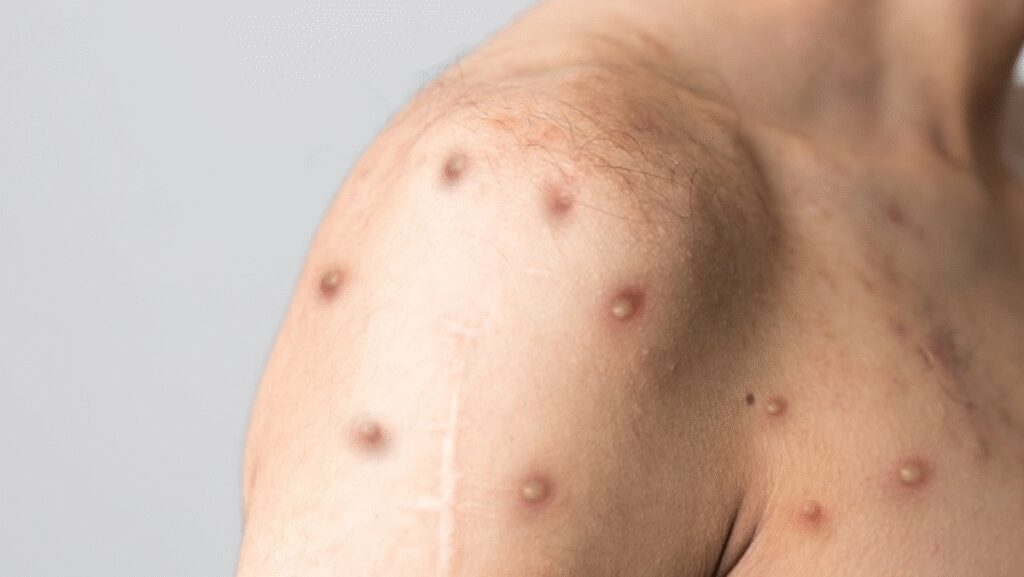

The Ghana Health Service (GHS) has issued a public statement confirming 20 new cases of monkeypox, bringing the total number of infections to 302 since May 2025. This recent spike marks the highest weekly increase since the current outbreak began, raising concern among health authorities and signaling a turning point in the nation’s management of the virus.
The announcement emphasized that the outbreak, which had previously resulted in no fatalities, has now reached a critical milestone due to the acceleration in case numbers. While the agency did not confirm any deaths in the latest report, the language used suggests a heightened level of urgency.
Transmission and Public Warning
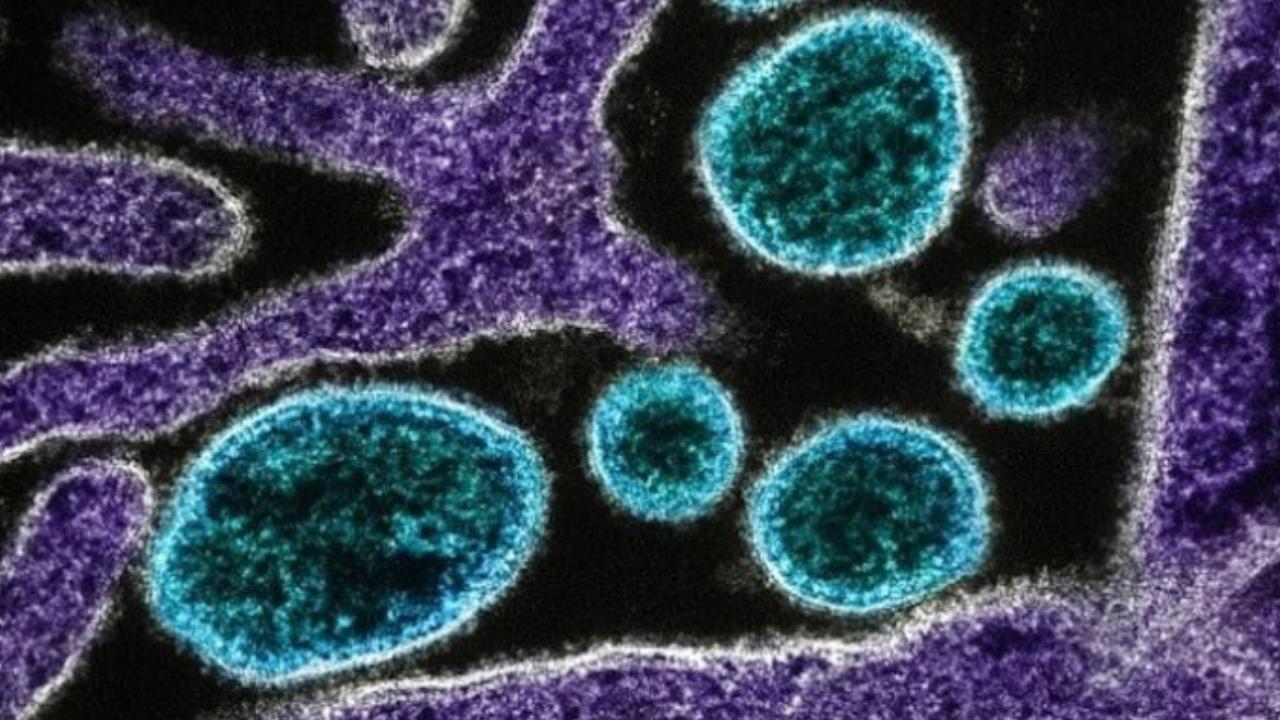
According to the GHS, the monkeypox virus spreads primarily through close physical contact with infected individuals. This includes direct skin-to-skin contact, exposure to bodily fluids, and potentially via contaminated materials such as clothing or bedding. In light of this, the agency is urging increased public vigilance, asking anyone who notices suspicious symptoms to seek medical attention immediately.
Health officials highlighted that early symptoms—such as fever, swollen lymph nodes, rash, or fatigue—should not be ignored. Quick reporting can help limit the chain of transmission, especially in crowded urban areas where physical contact is more frequent.
An Unprecedented Weekly Spike
The sudden jump in weekly cases is particularly alarming for Ghana, which had been managing the virus with relatively low transmission rates until now. Health experts suggest the increase may be linked to mass gatherings, reduced adherence to health protocols, or underreporting in earlier phases of the outbreak.
What distinguishes this wave from previous ones is its pace and unpredictability. Although Ghana has encountered monkeypox outbreaks before, this one is notable not just for its case count but for its potential to strain local healthcare systems if unchecked.
Call for Community Cooperation
The GHS emphasized that controlling the outbreak is not solely a matter of clinical intervention but also community responsibility. Their statement called for individuals and families to report symptoms promptly and avoid stigmatizing those who may be infected.
“Delays in seeking care or hiding symptoms due to fear of social judgment only increase the risk of widespread transmission,” the agency warned. They added that public education campaigns will be intensified, especially in high-risk regions and densely populated urban centers.
GHS’s Next Steps and Preventive Strategies
To address the outbreak, the Ghana Health Service has outlined a series of short-term and long-term measures, including:
Rapid response teams deployed to affected districts
Enhanced contact tracing efforts
Isolation protocols for confirmed cases
Community awareness programs focusing on early detection
Potential vaccination campaigns, depending on international coordination
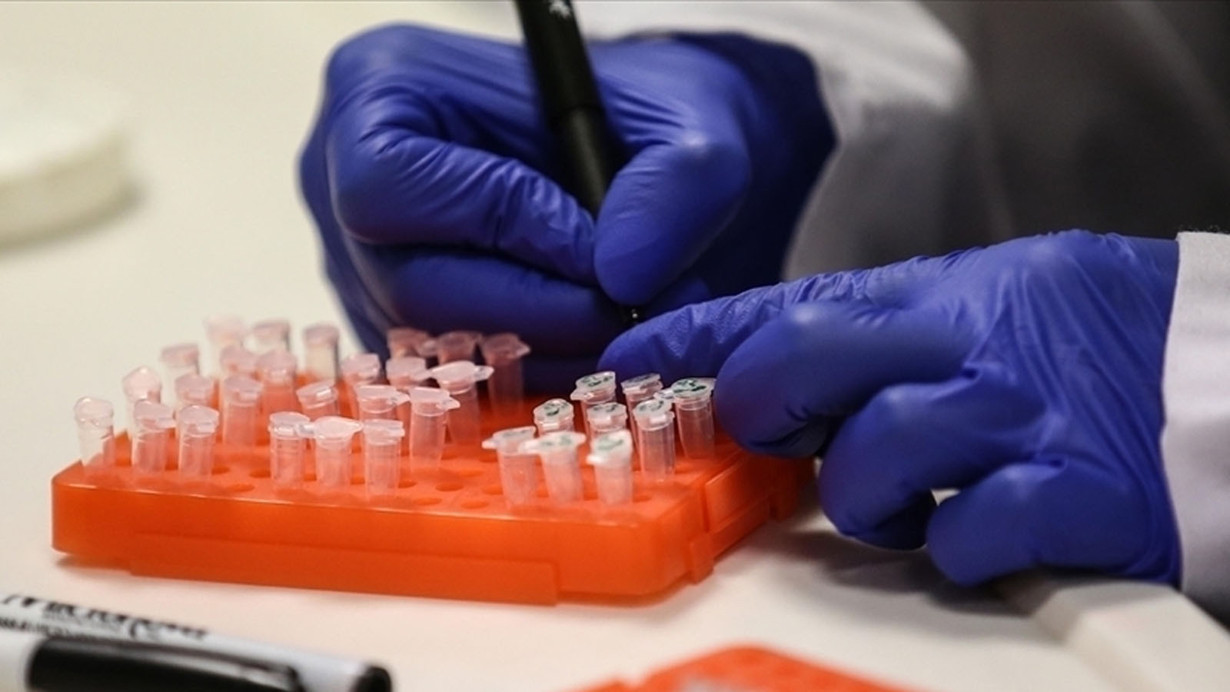
In collaboration with global health partners, the GHS is also assessing the feasibility of securing monkeypox-specific vaccines or antiviral treatments, though availability remains a global challenge due to increased demand in several countries.
Regional Concerns and Global Implications
Ghana’s monkeypox surge comes at a time when global health authorities are closely monitoring the virus’s spread, particularly in West and Central Africa where the disease is endemic. However, recent outbreaks in Europe, North America, and Asia have shown that international transmission is possible, especially through travel and trade.
Neighboring countries have also been advised to strengthen border screenings and prepare for potential spillover cases. The World Health Organization (WHO) has not yet declared a public health emergency in the region but continues to evaluate Ghana’s data closely.
What You Need to Know About Monkeypox
Monkeypox is a viral zoonotic disease similar to smallpox, though generally less severe. The illness often begins with flu-like symptoms and progresses to a distinctive rash that can spread across the face, limbs, and genitals. Most cases resolve within 2 to 4 weeks, but vulnerable populations—such as children, pregnant women, and immunocompromised individuals—may face more serious outcomes.
Preventive practices include:
Avoiding close contact with symptomatic individuals
Practicing good hygiene, especially after being in public places
Avoiding the use of shared personal items
Promptly reporting any unusual skin lesions or persistent fever
The Public Health Outlook
As of now, no deaths have been reported in Ghana due to monkeypox, but the latest developments serve as a wake-up call. Health officials are hopeful that with swift action, public cooperation, and potential vaccine access, the outbreak can be brought under control before it escalates into a larger crisis.
Ghana’s experience may also offer important lessons for other nations—especially those dealing with similar challenges around disease surveillance, healthcare access, and public trust.