
Once bustling centers of fashion export and textile manufacturing, Merter, Laleli, and Osmanbey—three of Türkiye’s most vital textile districts—are now grappling with a growing wave of business closures. Sector representatives warn that if the current economic strain continues, the closure rate could hit 30% by year-end, spelling deep trouble not just for local economies but for Türkiye’s global textile reputation.
Amid soaring costs, an unstable currency environment, and geopolitical uncertainties affecting regional demand, thousands of small and mid-sized businesses are fighting to survive in what many describe as a “perfect storm” of structural and external shocks.
Closure Rates Already Reach 15% in 2025’s First Half
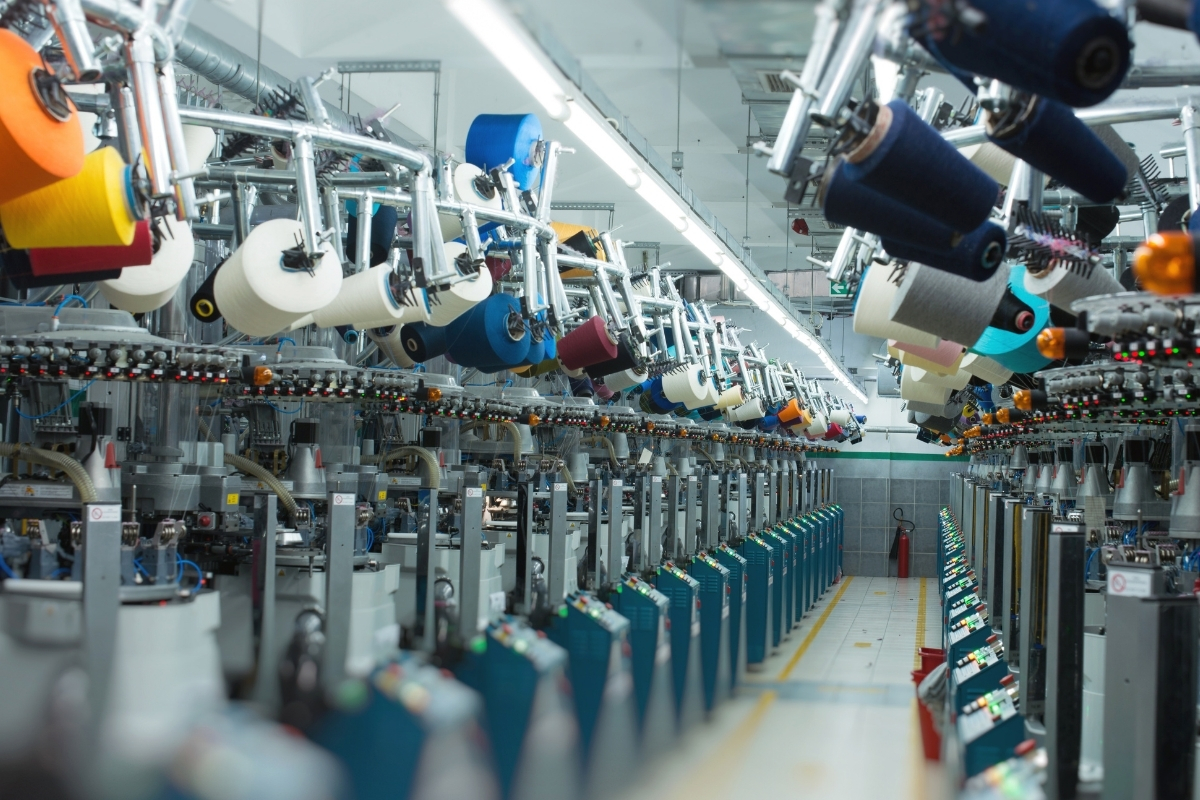
According to Gürbüz Oruç, President of the Merter Industrialists and Businesspeople Association (MESİAD), the first six months of 2025 have already seen a 10–15% closure rate among textile firms in Merter alone, with expectations that this number may climb to 30% by year-end.
“This trend affects not only our local economy but also commercial activity across İstanbul. Small and mid-sized exporters are either downsizing or relocating operations to other regions or even abroad,” said Oruç.
The surge in empty storefronts, particularly in Merter, is a visible reminder of the growing tension within the sector.
Maddening Cost Pressures and Shrinking Profit Margins
Textile entrepreneurs across Merter and Osmanbey cite energy prices, soaring rent, rising labor costs, and raw material uncertainty as core issues undermining profitability.
“Profit margins are evaporating. Even firms that once exported consistently are scaling down, switching to contract manufacturing just to stay afloat,” Oruç stated.
His remarks align with similar concerns from Gıyasettin Eyyüpkoca, President of the Laleli Industrialists and Businesspeople Association (LASİAD), who emphasized that businesses in their district are being pushed to the brink.
“Everyone is burning through their last resources. We are witnessing what could only be described as the sector’s last breaths,” Eyyüpkoca warned.
A Plea for Regional Investment Incentives
In recent meetings with Turkish government representatives, both MESİAD and LASİAD urged officials to expand 5th and 6th region investment incentive schemes—typically reserved for underdeveloped areas in Türkiye—to major urban hubs like Merter and Laleli, in a bid to retain production within the country.
“Without strong, localized support, many firms may fully relocate operations to countries like Egypt, where energy and labor are cheaper,” said Eyyüpkoca.
This relocation trend threatens to hollow out Türkiye’s textile base, a cornerstone of its industrial economy and a top source of foreign exchange income.
Consumer Behavior Disrupted by Regional and Global Uncertainty
Beyond costs, demand-side problems are also hammering the sector. Eyyüpkoca pointed out that much of the retail and wholesale trade in these districts is driven by tourist shoppers and buyers from Eastern Europe, Russia, and the Middle East.
But the Israel-Gaza conflict has drastically reduced purchasing activity from Middle Eastern clients, while Russia’s economic crisis has limited spending from another major customer base. The net effect is widespread hesitation and reduced order volumes.
“This region thrives on spontaneous bulk buying by foreign visitors. But now, fear and uncertainty dominate,” Eyyüpkoca explained.
Ripple Effects on Türkiye’s Export Infrastructure
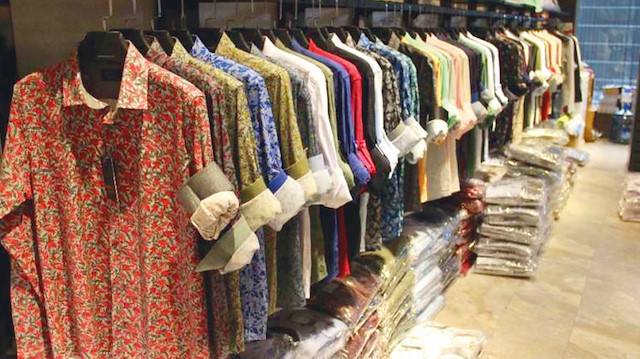
Türkiye’s textile and ready-wear sectors contribute over $20 billion in annual exports, with hubs like Merter and Osmanbey playing critical logistical and commercial roles. The rising closures signal not just local economic distress, but also strategic risks to Türkiye’s ability to meet international demand reliably.
The current climate is particularly damaging for firms focused on stock production, a model where inventory is produced ahead of confirmed orders. In an environment of high inflation and volatile input prices, such a model becomes increasingly unsustainable.
Urgent Recommendations: What the Sector Demands
To mitigate further damage, MESİAD and LASİAD are calling for:
Rental subsidies or tax relief for commercial properties
Reduction in shipping and logistics costs, especially for exporters
Increased access to affordable credit through low-interest government-backed loan packages
Currency stabilization policies to protect exporters from foreign exchange losses
Long-term infrastructure investment in marketing, logistics, and digitalization in districts like Merter
These interventions, they argue, must come from a joint effort between local and central governments.
Why It Matters: Textile Isn’t Just Fabric—It’s Economic Fabric
The textile crisis unfolding in İstanbul is not a niche issue—it’s a national concern. Türkiye’s textiles are a cultural export, a job creator, and a core revenue generator. If small and medium-sized manufacturers are forced to exit the market or flee abroad, the damage may take years to reverse.
With the global economy still in recovery and major shifts occurring in supply chain dynamics, Türkiye cannot afford to let its industrial districts fall into disrepair. The loss of trust among global buyers due to unreliable supply or vanished firms would be economically and reputationally devastating.
Urgency Without Panic
Both MESİAD and LASİAD leaders agree that immediate action is critical to reversing the decline. But they also believe that with the right support, Türkiye’s textile ecosystem can rebound.
“The talent, infrastructure, and international reputation are still here. What we need is a clear signal that Türkiye is serious about protecting and investing in its textile future,” Oruç concluded.