

Thousands of Turkish students look to European universities every year in pursuit of international education. As deadlines approach at the end of August for countries like the UK, Czechia, and the Baltic states, concerns are also rising. While dreams of studying abroad are valid, many students are falling into traps that can turn these dreams into academic and financial nightmares.
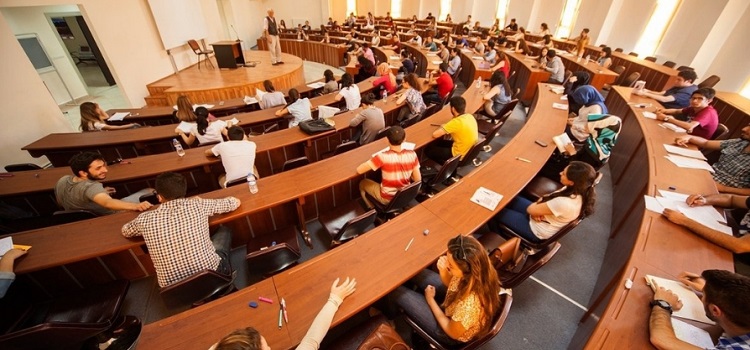
Turkish-taught programs abroad may harm diploma recognition
Why Turkish-language programs are risky for medical and law fields
A growing number of students are being guided toward Turkish-language programs in countries like Georgia, North Macedonia, and Bosnia-Herzegovina. According to YEDAB President Osman Yılmaz, these are often students who did not score high enough for competitive Turkish university programs. However, many of these foreign programs are not recognized by Türkiye’s Council of Higher Education (YÖK).
Students return after years of study only to find their diplomas hold no legal value in Türkiye.
Safer options include engineering and business programs
While medicine and law are heavily scrutinized, other fields like engineering and business may offer safer routes. Still, Yılmaz advises that students should always check YÖK recognition and favor universities with strong international rankings and solid academic reputations.
Common false promises students should avoid
Visa-free education
No such system exists. Even in countries with relaxed visa policies, a residency permit is required to legally stay and study.
No language requirement
Some universities may allow initial applications without language scores, but eventually, proof of language proficiency will be demanded. Especially for programs in English, this is unavoidable.
Guaranteed acceptance
Many consultants promise 100 percent acceptance, but this is not realistic. Most universities only issue conditional offers first, and payments made before official acceptance often lead to disputes or financial loss.
Free education claims
Even countries once known for tuition-free education, like Germany, have now introduced fees. Studying abroad always involves at least a minimum level of financial commitment.
Automatic YÖK equivalency
This is one of the most misleading statements. YÖK diploma recognition is never automatic. It depends entirely on the university, the program, and the language of instruction.

What to check before applying abroad
Always confirm YÖK recognition
Before submitting any documents or making any payments, students must check whether the program and university are listed and accepted by YÖK. Request a YÖK Recognition Certificate (Tanıma Belgesi) and save all application documents.
Avoid agents without credibility
Be cautious of social media ads and unregistered consultants. Many operate without a physical office and use AI-generated or fake documents. Never make payments before receiving an official offer letter. Always demand a written contract, and verify whether the agent is a member of a professional organization like YEDAB.
A final word for families and students
Studying abroad can open doors—but only if done correctly. It is a process that requires discipline, research, and legitimate guidance. Trusting the wrong person or program can cost years of effort and significant financial resources.
Students can only reach their dreams through facts, not fantasy.
As Yılmaz emphasizes, your future begins not with a promise, but with a plan.