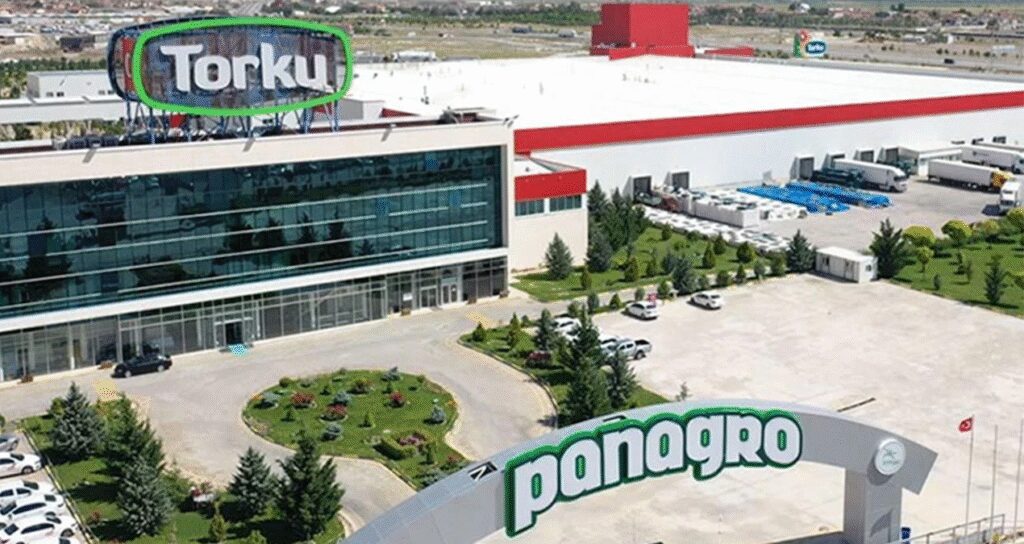

A major scandal has erupted at Konya Şeker, one of Türkiye’s most prominent agricultural cooperatives, just days after the Soma Thermal Power Plant’s shutdown linked the company to a wave of negative headlines. This time, the focus is on Torku, the company’s flagship brand, and its state-of-the-art Panagro production facility in Konya — where over 100 tons of milk powder have reportedly been contaminated with harmful bacteria due to severe mismanagement and unqualified oversight.
The implications of this food safety crisis go far beyond industrial losses. Public trust, agricultural integrity, and worker rights now stand at the center of a story that has exposed deeper issues of negligence, lack of accountability, and systematic suppression within the organization.
Bacteria Outbreak Leads to Massive Food Waste
According to investigative reports published by Sadettin İnan, the Editor-in-Chief of Tarimdanhaber, the contamination originated from poor planning and inadequate quality control during the milk powder production process. Rather than halting the operations when bacterial traces were first detected, production continued as usual — a decision that resulted in the spoilage of the entire batch.
The damage is not just nutritional. The financial loss, once all associated personnel and operational expenses are calculated, is estimated to exceed 30 million Turkish Lira. Sources suggest that the contaminated goods will be destroyed, as they pose a clear risk to public health if consumed.
Leadership Failure at the Core
What makes this case especially alarming is the leadership structure behind the scenes. It was revealed that a non-specialist, reportedly an electrical engineer, was appointed as the Milk Production Director at Panagro — a role that would typically require deep expertise in dairy science and food safety.
This shocking example of non-meritocratic appointment, or what’s commonly referred to as liyakatsiz atama in Türkiye, underscores a broader issue plaguing many cooperatives and agricultural companies. Decisions impacting food quality and farmer livelihoods are being entrusted to individuals lacking the necessary qualifications, leading to missteps with far-reaching consequences.
For a company rooted in Türkiye’s rich agricultural tradition and supported by thousands of farmers and producers, such a managerial error represents not only corporate failure but a betrayal of the agricultural community it claims to support.
Whistleblower Silenced Instead of Heard
The situation became even more controversial when a 12-year employee who exposed the problem internally was fired without severance pay. The worker had shared concerns regarding the contaminated production on the company’s internal “Milk Group” WhatsApp chat. Instead of being recognized for flagging a serious health risk, the employee was dismissed under the pretext of “leaking company information.”
What’s more, the dismissed staff member claims to have notified the Ministry of Agriculture and Forestry, the Ministry of Trade, and the Konya Governorship — a move that should have prompted oversight and investigation. Instead, the individual faced punitive action, raising serious questions about transparency and corporate ethics within Konya Şeker.
This silencing of a potential whistleblower has struck a nerve with labor advocates, food safety experts, and farmer groups across Türkiye. In a climate where consumer trust is already fragile, such actions may further erode confidence in food producers, especially those claiming to represent cooperative and ethical values.
Farmers Pay the Ultimate Price
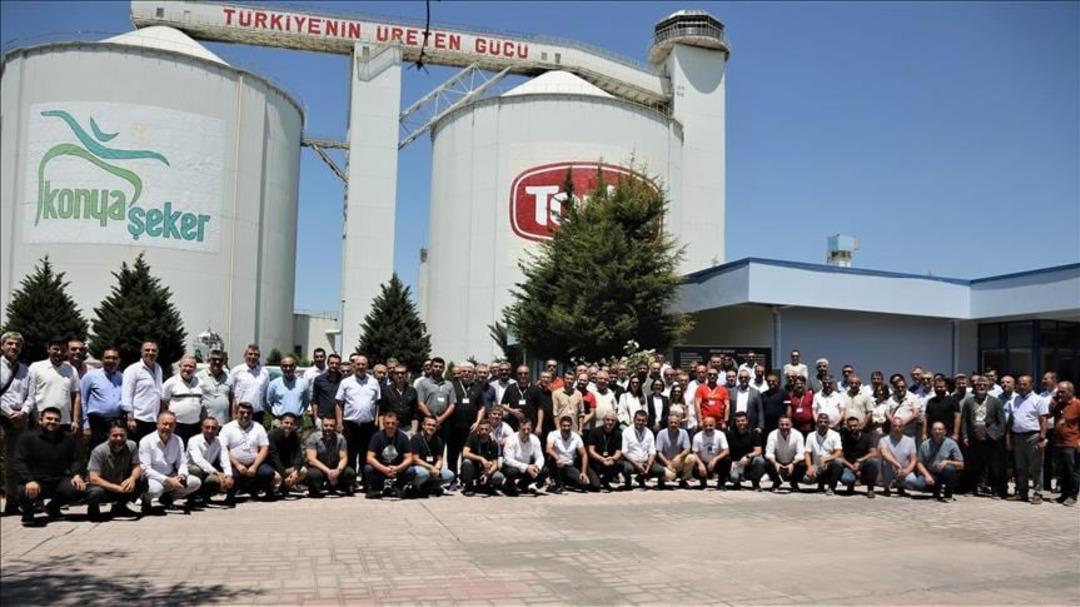
Beyond the factory walls, the damage has extended to Türkiye’s producer cooperatives. Konya Şeker is not a private enterprise in the traditional sense — it is a farmer-backed institution, which makes the loss even more devastating. Every misstep, every decision driven by incompetence, comes at a cost to the people who supply the raw materials and rely on fair processing and market representation.
According to industry insiders, the scandal has undermined the efforts of local farmers, many of whom are already struggling with rising input costs, unpredictable weather patterns due to climate change, and increasing market competition. A contaminated batch of milk powder doesn’t just represent corporate waste — it is a symbol of lost labor, broken systems, and ignored expertise.
What Needs to Change
Experts and stakeholders are now calling for independent investigations, stricter regulatory enforcement, and a comprehensive review of internal appointments and quality control protocols within Konya Şeker. There is also growing pressure on the Ministry of Agriculture and Forestry to audit all cooperative-linked food production facilities and ensure that safety regulations are being followed to the letter.
Meanwhile, consumer advocacy groups are urging the public to demand transparency, especially from brands like Torku, which are positioned as natural, safe, and community-driven.
There is also an increasing awareness about the importance of protecting whistleblowers — especially in sectors like food production, where a single incident can put thousands at risk. Labor unions and legal experts argue that the dismissal of the 12-year employee may have violated both ethical norms and labor protections, and could set a dangerous precedent if left unchallenged.
A Cautionary Tale for Cooperative Enterprises
The Panagro scandal is not just an isolated crisis. It offers a lens into the structural vulnerabilities within Türkiye’s agricultural cooperatives. Institutions like Konya Şeker wield significant influence in rural economies and are seen as bridges between tradition and modern food industry standards. When these institutions fall short, the ripple effects impact far more than just their shareholders.
For Konya Şeker, this is a moment of reckoning. Will the company take meaningful steps toward reform, accountability, and transparency? Or will it continue to operate in a climate of secrecy, negligence, and reputational risk?
Consumers, farmers, regulators, and workers alike are watching closely — because this scandal is no longer just about 100 tons of milk powder. It’s about trust, integrity, and the future of food safety in Türkiye.