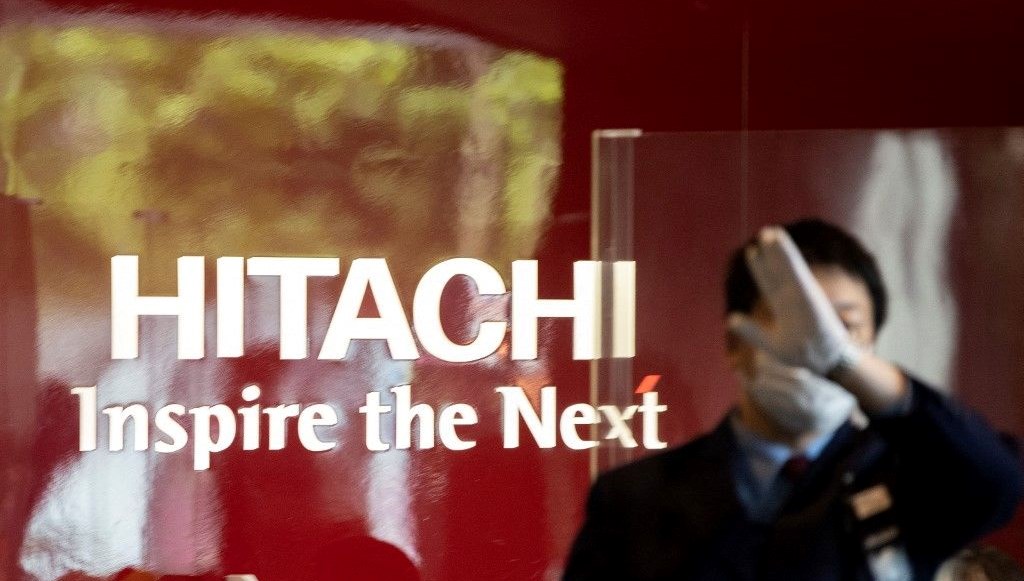

In a move that could reshape its corporate trajectory, Japanese technology giant Hitachi is reportedly considering selling off its home appliance business. According to a report published by Nikkei, this potential divestment aligns with the company’s growing emphasis on digital innovation and social infrastructure, signaling a continued shift away from consumer goods.
The potential deal is estimated to be worth at least 100 billion yen, equivalent to around 679 million US dollars, though exact figures could vary depending on the eventual buyer and negotiations. This strategic recalibration has drawn attention across both Asia and Europe, raising questions about Hitachi’s long-term direction and its position within the competitive global appliance industry.
Strategic Shift toward Digital and Infrastructure Sectors
Hitachi’s decision to prioritize sectors like digital transformation, data systems, and social infrastructure is not a new development. Over the past decade, the conglomerate has gradually restructured its operations, divesting from lower-margin consumer segments and investing heavily in data management, cloud services, and smart infrastructure.
This ongoing transformation has already seen Hitachi exit several businesses traditionally associated with its brand, including television production and certain domestic electronics. The potential departure from home appliances would mark another bold step toward becoming a tech and infrastructure-focused powerhouse.
Samsung Among Potential Buyers
Sources familiar with the matter indicate that Hitachi has initiated discussions with multiple interested parties, including global players in the appliance and electronics sectors. Among the potential bidders, South Korea’s Samsung Electronics stands out due to its existing dominance in the home appliance market and its appetite for strategic acquisitions.
Samsung, which has already solidified its position in markets such as refrigerators, washing machines, and air conditioners, could benefit from acquiring Hitachi’s established manufacturing and R&D assets. More importantly, Hitachi’s brand recognition—especially in markets like Southeast Asia and Türkiye—may offer Samsung additional leverage in expanding its market share.
The Value of Brand Recognition and Market Legacy
Although Hitachi is weighing a possible exit, the company is also reportedly considering the benefits of retaining the business due to its deep-rooted brand identity among consumers. This dual approach reflects a broader trend in corporate strategy, where companies weigh not just the financial value of a business line but also the brand equity and long-term consumer loyalty it carries.
In Türkiye, for example, Hitachi’s presence dates back decades. Products like radios and cassette players were once household staples, remembered for their reliability and sound quality. Many Turkish consumers still recall using Hitachi appliances well into the early 2000s, giving the brand a sentimental and historical value in the region. This enduring goodwill could be strategically valuable to Hitachi—or to any company that might acquire the appliance division.
Global Appliance Market Dynamics
The global home appliance industry is currently experiencing significant shifts. With increasing competition from Chinese manufacturers, rising material costs, and fast-changing consumer preferences, legacy brands are under pressure to innovate or consolidate.
Furthermore, sustainability expectations, energy efficiency regulations, and the rise of smart home ecosystems are forcing traditional manufacturers to rethink their product strategies. In this environment, companies that can integrate digital technologies into everyday appliances are better positioned to thrive.
Samsung, with its AI-integrated appliances and connected home systems, exemplifies this new breed of smart manufacturers. Acquiring Hitachi’s appliance business could accelerate its ability to meet growing demand in emerging markets where Hitachi’s brand is still trusted.
A Familiar Path for Japanese Conglomerates
Hitachi’s strategic pivot mirrors broader patterns among major Japanese conglomerates. Companies such as Toshiba and Panasonic have also downsized or spun off divisions that no longer align with their long-term technological ambitions. This trend reflects a maturing Japanese corporate philosophy that prioritizes agility, specialization, and innovation over wide-ranging product portfolios.
Hitachi’s shift is especially notable because it has managed to remain profitable even amid sectoral transitions. The company’s growing success in railways, energy systems, and IT services suggests that the transition away from consumer appliances is not only intentional but also part of a calculated roadmap.
What This Means for Consumers and Industry Observers
If the deal proceeds, consumers may see changes in Hitachi-branded appliances, especially in terms of design, functionality, and distribution. Depending on the buyer, some product lines may be discontinued, rebranded, or integrated into a broader global offering.
For Türkiye, where Hitachi products once held a significant share of the market, a sale could either mean a revival under new management or a gradual phasing out of a once-familiar name. However, the emotional and historical connection that many Turkish households have with the brand may influence the new owner’s branding decisions.
Industry analysts will be closely watching how Hitachi manages this potential divestment, as it could set the tone for future strategic decisions by other conglomerates facing similar crossroads.
Navigating the Future with Strategic Clarity
Whether or not the sale is finalized, Hitachi’s contemplation of such a move illustrates the strategic challenges facing multinational corporations today. Balancing innovation with legacy, profitability with identity, and agility with heritage is no easy task.
Hitachi appears committed to a future where digital infrastructure, cloud-based systems, and socially responsive technologies take precedence. And while that path may not include household appliances, the legacy of the brand—and its potential handover—will continue to ripple through the industry.