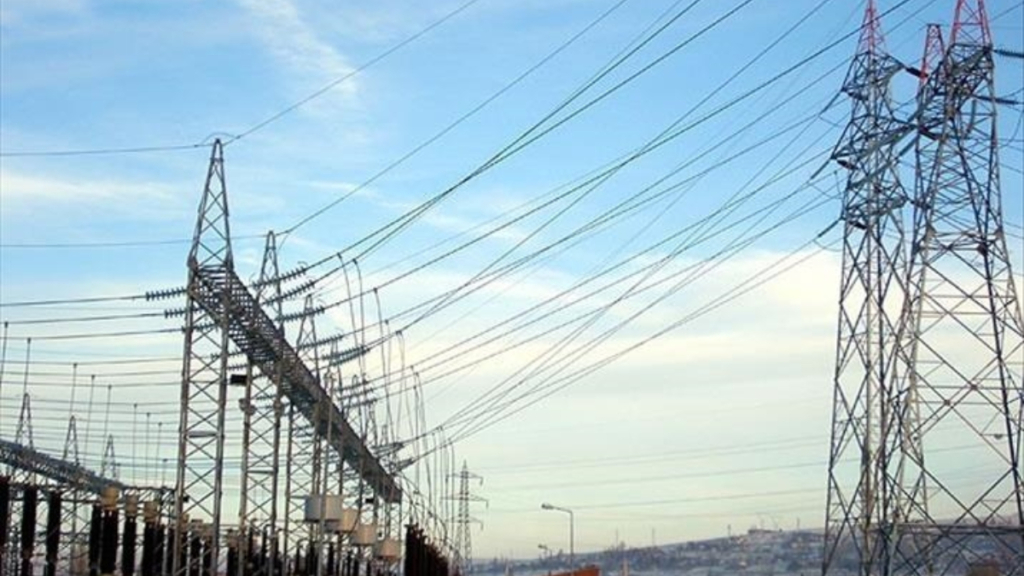

Türkiye is accelerating its energy transformation with a bold investment strategy that aims to strengthen the country’s power transmission infrastructure and integrate more renewable energy into the national grid. Backed by substantial international financing, this initiative is poised to elevate Türkiye’s energy security while reducing dependence on imported resources.
The latest move in this transformation is the “Türkiye Energy Transmission System Transformation Project,” which was officially approved by the World Bank’s Board of Executive Directors. The project will be managed by Türkiye Elektrik İletim AŞ (TEİAŞ) and aims to eliminate current operational bottlenecks in the electricity transmission system by completing the national power ring and upgrading transmission links to connect renewable energy facilities to the grid.
Massive International Financing for Energy Grid Overhaul
According to Türkiye’s Ministry of Treasury and Finance, the project will receive approximately $748 million in total funding, structured as follows:
$708 million in loans from the World Bank,
$38 million in concessional loans through the Clean Technology Fund (CTF),
$2 million in grants also provided under the CTF framework.
These funds will be issued under a repayment guarantee provided by the Ministry and directed to TEİAŞ, which will oversee project execution across the country.
With the inclusion of this new package, the total amount of external concessional financing secured in 2025 alone from international institutions will reach an impressive $7 billion. This underscores Türkiye’s ability to mobilize global development funds to support its public infrastructure goals.
Project Scope: Completing the National Power Ring
The focal point of this transformative project is the completion of Türkiye’s electricity transmission ring, a nationwide infrastructure loop that ensures stable and balanced energy delivery between regions. Once completed, this system will optimize power flow, reduce energy losses, and facilitate the integration of renewable energy sources such as solar, wind, and hydro into the national grid.
By upgrading key substations, transmission lines, and control systems, TEİAŞ aims to eliminate technical constraints that currently limit the share of renewables in Türkiye’s energy mix. The improved grid will also allow for more efficient dispatching of electricity from various generation points, supporting both grid stability and energy cost reduction.
Reducing Import Dependency, Enhancing Sustainability
One of the broader strategic objectives of the initiative is to lessen Türkiye’s dependency on imported fossil fuels, which continue to pose risks to energy security and balance of payments. By expanding domestic renewable capacity and ensuring grid compatibility, Türkiye is laying the groundwork for a more self-reliant, low-carbon economy.
Minister of Treasury and Finance Mehmet Şimşek emphasized that this initiative is part of a long-standing and productive collaboration with the World Bank. In a recent statement, he noted:
“Our strong partnership with the World Bank has delivered meaningful results across many sectors, including energy. This cooperation will continue as we pursue our long-term economic goals, including sustainable prosperity. Supporting public investments—especially in renewables—is central to reducing our reliance on imported energy.”
TEİAŞ to Lead a Nationally Critical Mission
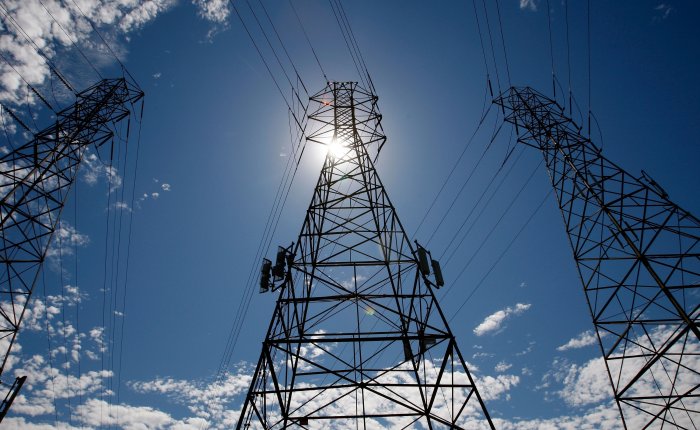
TEİAŞ, Türkiye’s state-run electricity transmission operator, will be responsible for planning, procurement, and implementation across all project phases. The organization has played a pivotal role in Türkiye’s energy modernization efforts in recent decades, and this project represents one of its most ambitious undertakings to date.
The company will focus not only on infrastructure development but also on modernizing grid management technologies, enhancing real-time monitoring, and increasing resilience to climate-induced disruptions such as heatwaves and wildfires.
Global Momentum and Türkiye’s Green Transition
The timing of this project aligns with Türkiye’s broader energy and climate commitments. As part of its national strategy, Türkiye has pledged to increase the share of renewables in total electricity generation and meet international sustainability goals.
This initiative complements other efforts such as the YEKDEM (Renewable Energy Support Mechanism) and the expansion of energy storage projects, creating a comprehensive policy ecosystem that supports the green transition.
Türkiye’s renewable energy sector is already the largest in the Middle East and among the top ten in Europe. As of mid-2025, the country’s installed renewable capacity surpassed 58 GW, comprising hydropower, wind, solar, geothermal, and biomass sources. The new transmission investment will help ensure that this capacity can be efficiently used and further expanded.
Investment Confidence and Economic Implications
Beyond energy resilience, this infrastructure investment sends strong signals to global investors and international financial institutions. By leveraging external funding under favorable terms, Türkiye not only reduces the immediate fiscal burden of large-scale infrastructure projects but also demonstrates its commitment to fiscal discipline and long-term development.
Moreover, such projects stimulate local economies through construction, equipment manufacturing, and technical services. The rollout of new substations and high-voltage lines is expected to generate thousands of direct and indirect jobs, especially in underdeveloped regions.
Building an Energy Future for All
The transformation of Türkiye’s electricity transmission system is more than a technical upgrade—it is a strategic investment in the country’s energy independence, environmental stewardship, and economic competitiveness.
As TEİAŞ begins to implement the project with support from the World Bank and Clean Technology Fund, Türkiye is reinforcing its position as a regional leader in sustainable infrastructure development. The benefits of this modernization will be felt not only by power producers and grid operators but also by consumers who stand to gain from more reliable, affordable, and cleaner electricity.