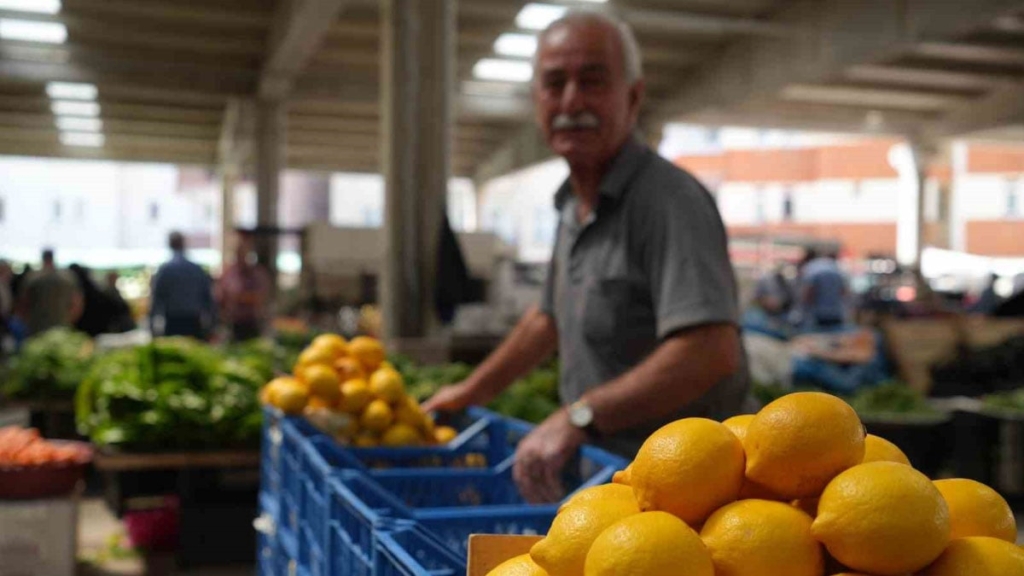

In the mountainous northeastern province of Bayburt, a surprising staple of daily life has become a luxury item: lemons. Once a humble companion to tea, lemons are now straining household budgets as prices hit record highs, causing frustration in local markets—but not enough to break the deeply rooted tradition of lemon-infused tea.
With prices surging to 200 TL per kilogram, residents and vendors alike are expressing disbelief at the sharp rise, labeling lemons the “price hike champion” of the local produce market. Still, Bayburt’s citizens are reluctant to abandon their ritual of drinking tea with lemon, a custom so cherished that some say they would pay 500 TL per kilo rather than go without.

The Price of Tradition
Vendors at Bayburt’s outdoor markets say demand for lemons remains surprisingly stable despite the price hike. Speaking to local reporters, Ömer Gencer, a market trader, explained:
“Lemons are the most expensive item on the market. One piece costs between 20 and 25 lira depending on size and type, and the kilo price ranges from 180 to 200 lira. It’s expensive, but Bayburt locals won’t drink tea without lemon. So even if they can’t buy it by the kilo, they still purchase two or three lemons at a time.”
His sentiment is echoed across the stalls, where lemons remain one of the most inquired-about items. Gencer and others note that the cost may be high, but the emotional and cultural value of lemon tea is even higher.
From Grocery Item to Status Symbol
The local buzz has even turned lemons into a source of humor and satire. Salih Saka, another vendor, joked about the inflated prices:
“We’ll start gifting lemons at weddings instead of gold. The groom’s family might pin lemons on the bride.”
Saka’s comment underscores the surreal pricing that has struck many residents. While inflation and seasonal supply issues have pushed up prices, lemons have become symbolic—no longer just a kitchen ingredient, but now a cultural cornerstone that some compare to luxury items.
A Taste of Bitterness with Every Sip
For those who grew up in Bayburt, lemon tea is more than just a beverage—it’s a way of life. Talat Çalgan, a regular at the local market, lamented the change:
“Bayburt had a lemon tea ritual. But now it’s lost its joy. Lemon prices have squeezed the fun out of our tea.”
Despite the sour mood, Çalgan continues to sell lemons to those unwilling to give up their daily comfort. The choice to continue buying lemons, even at inflated prices, highlights the depth of this regional habit and the psychological comfort it brings.

Even Kids Feel the Heat
At the heart of the market stands Musab Vardar, one of the youngest vendors helping his father during the summer holiday. With sharp eyes and quick math skills, he tracks price fluctuations across stalls:
“Prices vary from 130 to 200 TL per kilogram depending on the vendor. Every stand is different.”
Musab’s keen observations point to a growing inconsistency in local pricing, adding to consumer confusion and frustration. Nevertheless, the market continues to bustle with shoppers who come knowing what they want—even if it costs more than ever.
Why Are Lemon Prices Skyrocketing?
The lemon price hike isn’t unique to Bayburt—it reflects broader economic challenges across Türkiye, including agricultural input costs, climate conditions affecting yield, and fluctuating demand dynamics.
Extreme weather events, such as late spring frosts or extended droughts, have impacted citrus harvests in major production regions like Mersin and Adana. At the same time, general inflation and transport costs have pushed wholesale and retail prices upward.
But in Bayburt, far from the citrus-growing coastlines, lemons are both rarer and more cherished. The long-distance transport adds an additional burden to costs, turning each lemon into a small luxury.
Health Benefits Justify the Expense for Some
For many residents, lemons are not only a flavor enhancer but also a health essential. With high vitamin C content and digestive benefits, lemons are considered a natural remedy for seasonal illnesses.
Salih Saka reaffirmed this idea:
“Even if it costs 500 lira, we won’t skip lemon in our tea. It’s a vitamin C bomb. Even doctors recommend it. It’s better than medicine.”
This belief further entrenches the place of lemons in local daily life, making them immune to boycott, even under economic pressure.
Cultural Habits That Refuse to Fade
The resolve to keep drinking lemon tea is more than resistance to market forces—it reflects how regional culture and everyday rituals shape spending decisions, sometimes beyond logic or practicality.
One shopper summed it up perfectly:
“Even if it costs 500 lira, we won’t give it up. Tea without lemon doesn’t exist in Bayburt.”
This unwavering loyalty to tradition reveals a broader truth: in Türkiye, and particularly in towns like Bayburt, flavor, family rituals, and cultural heritage often take precedence over fluctuating prices.
Looking Forward: Will Relief Come Soon?
Analysts suggest that as the citrus season progresses and supply from southern Türkiye increases, prices could stabilize or even drop slightly. However, with ongoing inflationary pressures and logistical costs, significant price relief may not be immediate.
In the meantime, Bayburt locals seem prepared to continue buying lemons—even one by one—to preserve the taste and tradition that brings comfort in uncertain times.
Until then, the lemon will remain not just a fruit, but a symbol of Bayburt’s unyielding taste for tradition—one slice at a time.