
Türkiye has introduced a major update to its national agricultural subsidy framework aimed at increasing crop diversity and boosting domestic production. Published in the Official Gazette, the regulation titled “Amendment to the Communiqué on Crop Production Support for 2025–2027” outlines a new support scheme, particularly designed to incentivize soybean cultivation as a second crop.
The regulation, which comes into effect on January 1, 2025, marks a strategic shift in how subsidies are distributed—especially for multi-crop agricultural practices.
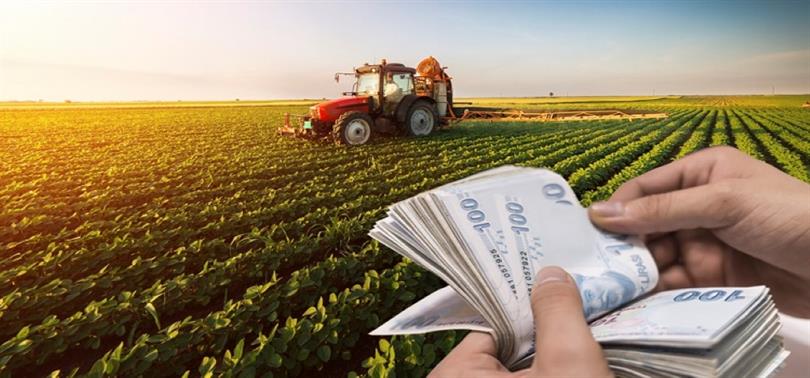
Farmers to Receive Additional Support for Soybean Cultivation
Under the previous system, if farmers produced multiple crops on the same land within a single year, they would receive a subsidy only for the crop with the higher calculated support amount. With the new model, if soybeans are cultivated as a second crop, farmers will now receive an additional base support on top of the higher subsidy, creating a dual-payment model.
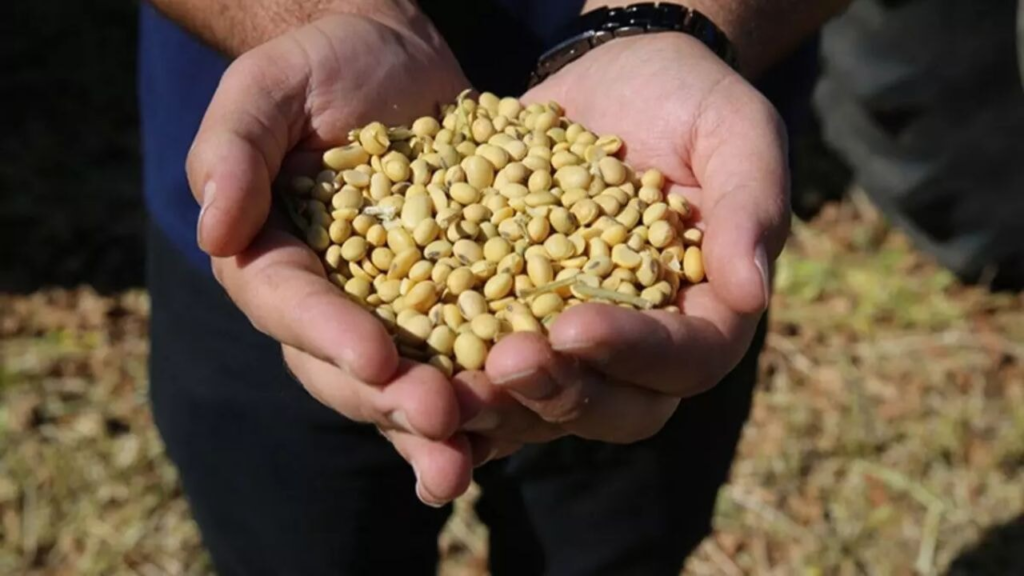
This initiative aims to encourage soybean production, a crop Türkiye currently imports heavily due to low domestic output. The goal is to reduce foreign dependency, particularly for sectors like livestock and food processing that rely on soybean as a critical input.
Subsidies Conditional on Verified Production
The updated regulation also establishes strict eligibility criteria to ensure only genuine producers benefit from these incentives. All documentation submitted by farmers must be reviewed and confirmed by relevant institutions. Furthermore, provincial and district agricultural directorates will carry out field inspections to verify that actual production has taken place.
If authorities determine that production did not occur as claimed, no payments will be issued, reinforcing the government’s efforts to prevent fraud and ensure public funds are used efficiently.
New Timeline for Licensed Storage of Barley
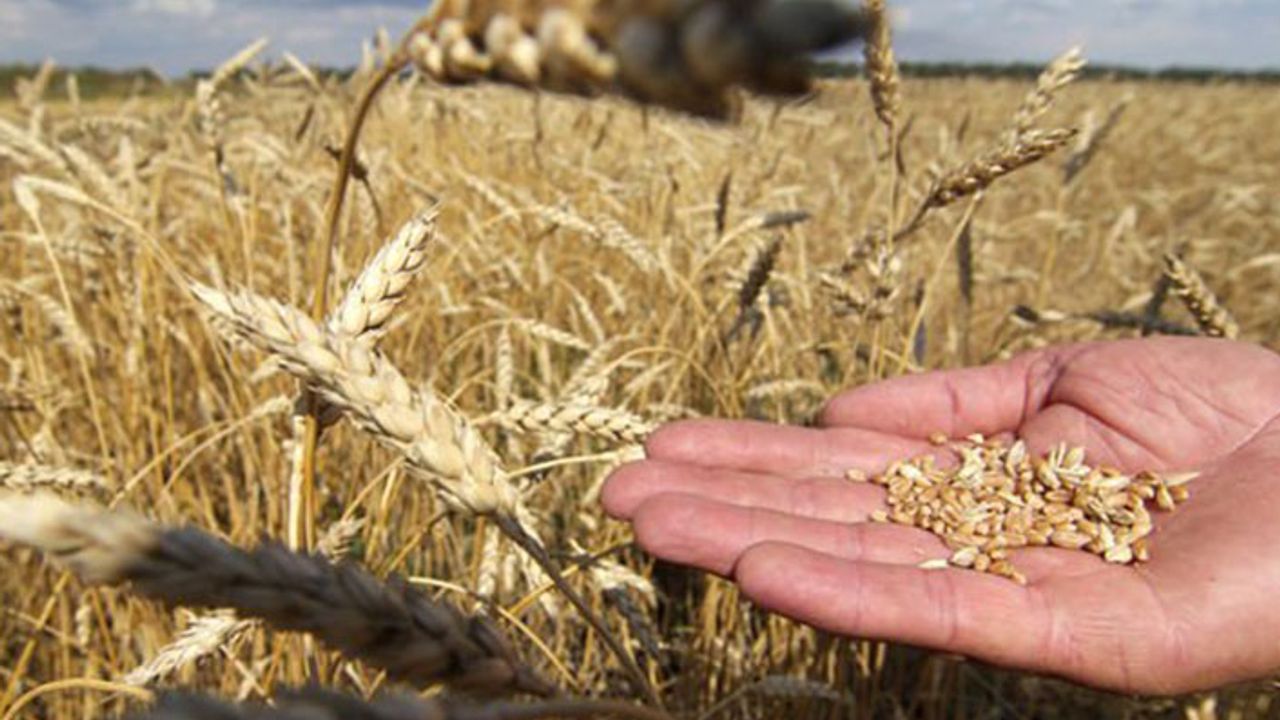
In addition to crop support changes, the regulation also revises timelines in the licensed warehousing system, particularly for barley. The new rules advance the start date for barley storage from June 1 to May 15, better aligning with the harvest calendar and allowing for more flexible post-harvest storage planning.
This change is expected to help farmers preserve crop quality and optimize market timing, particularly in regions where early harvests are common.
Why Soybean Matters for Türkiye’s Economy
Soybeans are considered a strategic crop due to their importance in animal feed, food manufacturing, and edible oil production. Türkiye imports hundreds of millions of dollars’ worth of soybeans annually to meet domestic demand. Increasing local production could significantly reduce import costs, strengthen food security, and stabilize input prices for several critical industries.
With this new policy, the government is hoping to unlock Türkiye’s untapped potential in soybean farming, especially in areas with suitable climate and land conditions for second-crop cultivation.
Economic Opportunities for Farmers
Regions such as Southeastern Anatolia, the Mediterranean, and parts of Central Anatolia are well-suited for second-crop farming due to favorable soil and climatic conditions. The revised model could create new income opportunities for farmers who can plant soybeans after harvesting their main crops.
By turning previously idle periods into productive growing seasons, the policy enables a more efficient use of agricultural land and contributes to year-round economic activity in rural areas.
A Broader Vision for Agricultural Independence
The new regulation fits within the Ministry of Agriculture and Forestry’s broader vision of increasing domestic production and minimizing reliance on imports. Support mechanisms like this not only provide financial relief but also inspire confidence in the agricultural sector, encouraging innovation and long-term investment.
Ministerial officials have reiterated that strategic crops like soybeans will remain a priority area of support, particularly as Türkiye looks to reinforce food sovereignty and supply chain resilience.
Toward a More Sustainable Agricultural Future
The revised subsidy structure, the verification mechanisms, and the updated warehouse timelines reflect Türkiye’s move toward a more sustainable, transparent, and results-oriented agriculture policy.
With real producers being rewarded, crop diversity expanding, and infrastructure being optimized, Türkiye is setting the stage for a smarter and more productive agricultural system.
Farmers, in turn, are poised to benefit from increased income potential, while consumers and industry stakeholders can look forward to greater stability in agricultural supply and pricing.