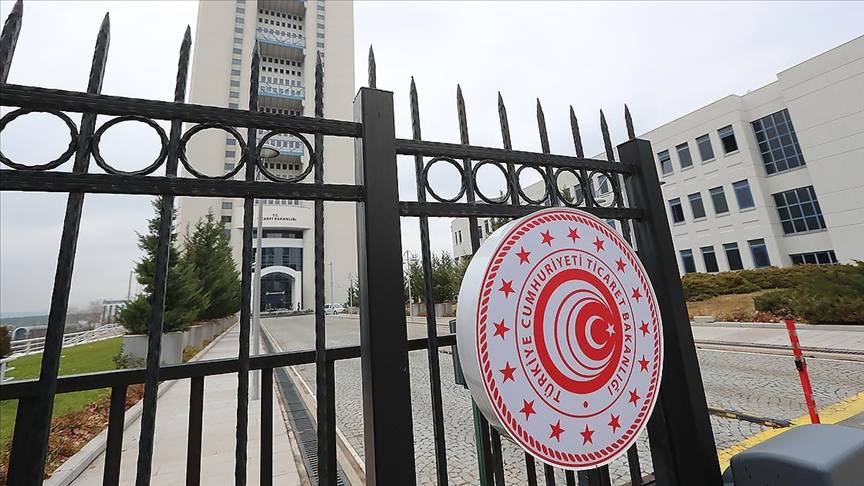

Following a recent amendment in Special Consumption Tax (ÖTV) rates in Türkiye, the Ministry of Trade has launched an investigation into complaints about unauthorized extra charges being demanded by some authorized car dealers. The ministry has issued a stern warning against such practices, describing them as both harmful to consumers and disruptive to market balance.
The official statement, released by the ministry on July 24, 2025, responds to widespread consumer reports alleging that certain automotive dealers are asking for additional payments from buyers after finalizing initial agreements and collecting the vehicle price.

Consumer Complaints Prompt Government Response
According to the ministry’s press release, both written and verbal complaints have surfaced regarding dealers demanding extra fees post-sale, using the ÖTV changes as a justification. The ministry emphasized that these actions not only violate consumer trust but also threaten fair competition and undermine market transparency.
“Such practices not only victimize individual consumers but also destabilize the healthy and balanced functioning of the automotive market,” the statement read.
Clear Violation of the Law
The ministry cited the Regulation on the Registration of Motor Vehicles, which clearly states that once the ÖTV and VAT-inclusive price has been communicated to the buyer, the price is fixed and cannot be increased under any circumstances. Demanding further payments after a sales agreement is not only unethical but also explicitly illegal, the ministry clarified.
This regulation aims to protect buyers from last-minute pricing manipulations—a tactic that has reportedly become more common in times of tax adjustments or high demand.
Hefty Penalties Await Violators
To deter such practices, the Ministry of Trade announced that dealers who violate the law may face administrative fines up to 684,214 Turkish Lira per violation. This penalty can be applied individually for each infraction, meaning dealers may incur multiple fines for repeated misconduct.
The announcement encourages consumers to report such cases through Provincial Trade Directorates, providing a formal avenue for individuals to protect their rights and challenge unlawful dealership practices.
A Push for Fairness in the Automotive Sector
The Ministry underlined its commitment to maintaining an equitable and transparent automotive market, stating:
“We will continue to take all necessary regulatory measures decisively to ensure a fair market structure in the automotive sector. Protecting consumer rights will remain our top priority.”
This firm stance reflects the government’s broader agenda of reinforcing regulatory oversight in sectors where price manipulation, opportunistic behavior, and unclear practices have historically been sources of public concern.
What Triggered the Complaints?
The controversy stems from the July 24 ÖTV regulation, which introduced new taxation brackets for vehicle pricing based on engine size and value. While the tax change aims to better align the fiscal structure with market realities, it also created a transition window that some dealers allegedly exploited.
In several reported cases, customers who had already signed agreements and paid for vehicles were later contacted by dealers requesting additional sums, citing tax recalculations or system updates. These post-sale demands have drawn public backlash and renewed calls for stricter enforcement.

Consumer Rights Advocates React
Consumer protection groups have welcomed the ministry’s response, urging stronger monitoring mechanisms and calling on car buyers to retain all sales documents, including down payment receipts and signed agreements.
“This kind of behavior is predatory and exploitative. It’s critical that consumers know their rights and that the authorities send a clear message that such practices will not go unpunished,” said one spokesperson from a consumer rights watchdog group.
Advice to Consumers: Know Your Rights
To protect themselves, consumers are advised to:
Document all interactions with dealerships, especially payment and pricing agreements.
Insist on receiving written confirmation of the final price before making any payments.
Refuse any post-sale requests for additional charges not stipulated in the original agreement.
File complaints via Ticaret İl Müdürlükleri or through Türkiye’s e-Devlet platform if any irregularities arise.
A Broader Push for Market Discipline
This situation sheds light on the persistent informality and loophole exploitation present in parts of Türkiye’s automotive market. While demand for new vehicles remains strong—especially in urban areas—consumers are often caught in a complex web of changing taxes, dealership tactics, and vague pricing practices.
By cracking down on unauthorized price changes and reinforcing existing consumer protection frameworks, the Ministry of Trade is signaling a long-term commitment to market discipline and consumer trust.
As the industry adjusts to the new ÖTV regulations, all eyes will be on whether dealers fall in line—or face financial consequences for stepping out of bounds.