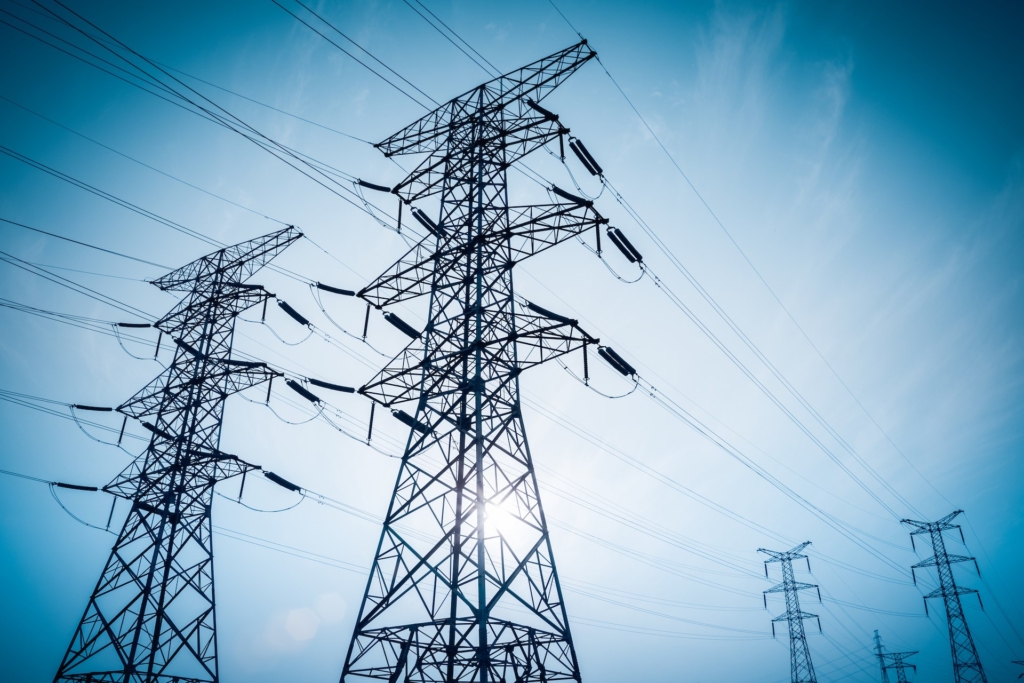

Türkiye has secured a landmark $748 million financing package from the World Bank to overhaul its national electricity transmission system. This strategic initiative, titled the “Transformation of Türkiye’s Energy Transmission System Project,” is set to accelerate the country’s transition toward renewable energy and enhance the reliability, sustainability, and resilience of its power infrastructure.
The project, spearheaded by Türkiye Elektrik İletim AŞ (TEİAŞ), aims to address the longstanding structural limitations of the national grid, enabling the seamless integration of large-scale solar and wind power into the system. Backed by a repayment guarantee from Türkiye’s Ministry of Treasury and Finance, the funding package reflects growing international confidence in Türkiye’s green energy trajectory.
Breaking Down the $748 Million Package
According to official sources from the Treasury and Finance Ministry, the total financing comprises:
$708 million in credit from the World Bank
$38 million in concessional credit from the Clean Technology Fund (CTF)
$2 million in direct grant support
The funding terms are highly favorable, offering long-term, low-interest conditions aimed at supporting sustainable infrastructure development in emerging economies.
Transforming Türkiye’s Energy Backbone
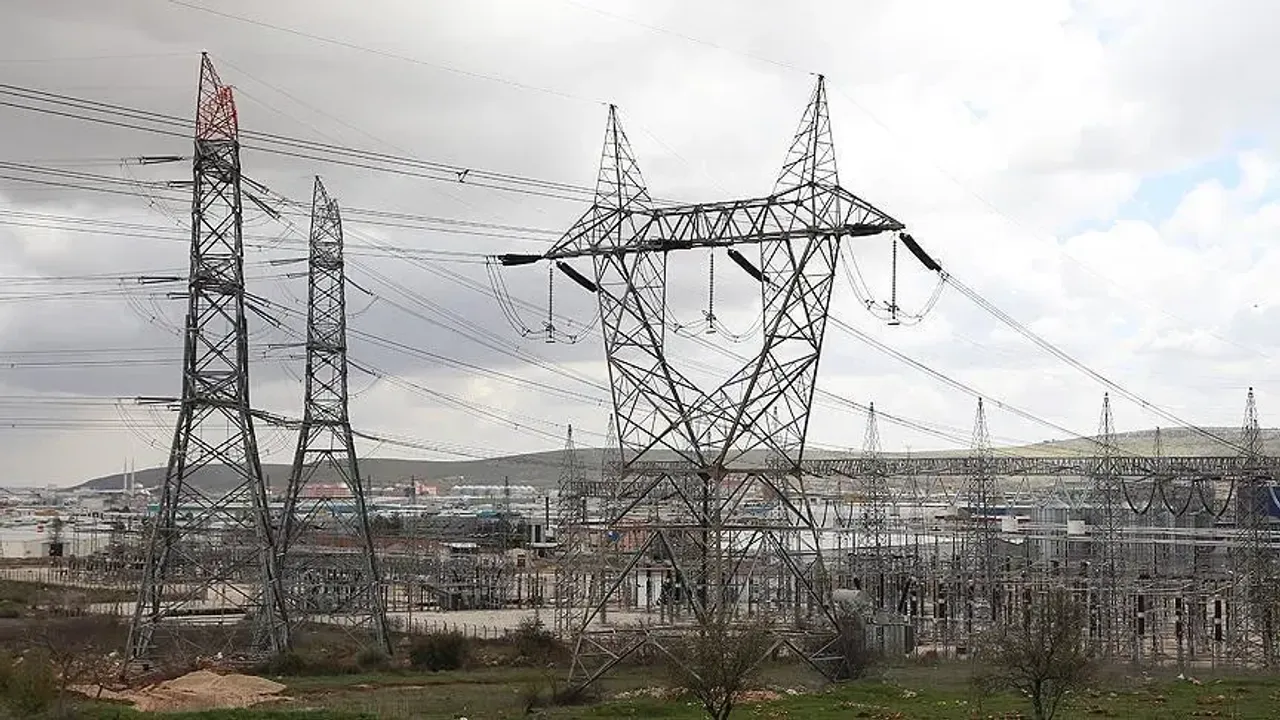
At the heart of this project is the completion of a “ring structure” across the national transmission grid—designed to eliminate critical bottlenecks and enable more flexible energy flow across regions. This will not only enhance the capacity and reliability of the system but will also allow new renewable energy facilities to connect to the grid without delays or technical barriers.
This grid transformation represents a pivotal shift in Türkiye’s energy strategy, positioning the country as a regional model in integrating renewables at scale.
Aligning with Türkiye’s Renewable Ambitions
The World Bank emphasized that the project directly supports Türkiye’s goal of reaching 120 gigawatts of installed solar and wind capacity by 2035. It also complements the seventh phase of the World Bank’s Europe and Central Asia Renewable Energy Scale-Up Program, of which Türkiye is a key partner.
With this project, Türkiye’s total concessional external financing from international organizations in 2025 alone will approach $7 billion—a testament to the country’s growing stature in sustainable development financing.
A Holistic Approach to Energy Modernization
Unlike traditional infrastructure projects focused solely on construction, this initiative also supports the digital transformation of the grid. The plan includes upgrading digital control systems, introducing advanced monitoring technologies, and enabling real-time response capabilities to adapt to dynamic supply and demand patterns.
Yeşim Akçollu, the World Bank’s Task Team Leader for the project, highlighted its multifaceted impact:
“This isn’t just about building infrastructure. It’s about making Türkiye’s grid greener, more resilient, and more digital. Through both investment and technical assistance, we’re supporting TEİAŞ to improve supply reliability for households and businesses, while also unlocking Türkiye’s renewable energy potential.”
Positioning Türkiye as a Green Energy Leader
Humberto Lopez, the World Bank Country Director for Türkiye, praised the country’s ambitious energy vision:
“Türkiye has set one of the most aggressive renewable energy targets in the world. By modernizing its transmission system and expanding renewables, Türkiye is strengthening its energy security, reducing fossil fuel import dependency, and enhancing its competitiveness. The project also holds tremendous potential for generating skilled employment and attracting private sector investments.”
This transformation is not just technical—it carries deep strategic implications for economic growth, regional leadership, and climate resilience.
Long-Term Benefits for Citizens and Industry
The expected outcomes of the project go far beyond megawatts and cables. With a modernized and more efficient grid:
Electricity will become more reliable, especially in rapidly growing urban and industrial zones
Transmission losses will decrease, improving the overall energy efficiency of the country
Businesses will benefit from stable and predictable energy supply, reducing downtime and improving output
Households will experience fewer outages, better voltage quality, and potentially lower costs in the long term
New renewable investments will become more financially viable, as grid connection delays and uncertainty diminish
Empowering Local Innovation and Green Jobs
One of the most exciting aspects of the project is its potential to catalyze new industries and job creation. As Türkiye scales up its renewable capacity, the demand for skilled labor in sectors like smart grid development, digital system maintenance, renewable installation, and energy analytics is set to rise dramatically.
This aligns with Türkiye’s broader economic goals of nurturing high-value employment and reducing dependency on imported technologies. The integration of local suppliers, engineers, and technicians in the project will further boost national capabilities.
A Catalyst for Private Sector Growth
As highlighted by the World Bank, the project is expected to open new avenues for private sector participation in Türkiye’s energy sector. By ensuring grid readiness and reducing technical uncertainty, the government is signaling a stable and predictable investment climate to international and domestic developers.
This shift could unlock billions of dollars in renewable energy investments over the next decade, with solar and wind developers more confident in Türkiye’s transmission readiness and regulatory direction.
Türkiye’s Digital and Green Energy Future
As the global energy transition accelerates, Türkiye’s partnership with the World Bank places it among the vanguard of nations rethinking their energy systems. With a bold renewable vision, strong institutional leadership, and rising international support, Türkiye is not only securing its own future but also setting an example for countries navigating the dual challenge of energy demand and climate change.
This project signals a long-term commitment to building a resilient, inclusive, and forward-looking energy infrastructure—one that can power cities, fuel innovation, and drive prosperity in the decades to come.