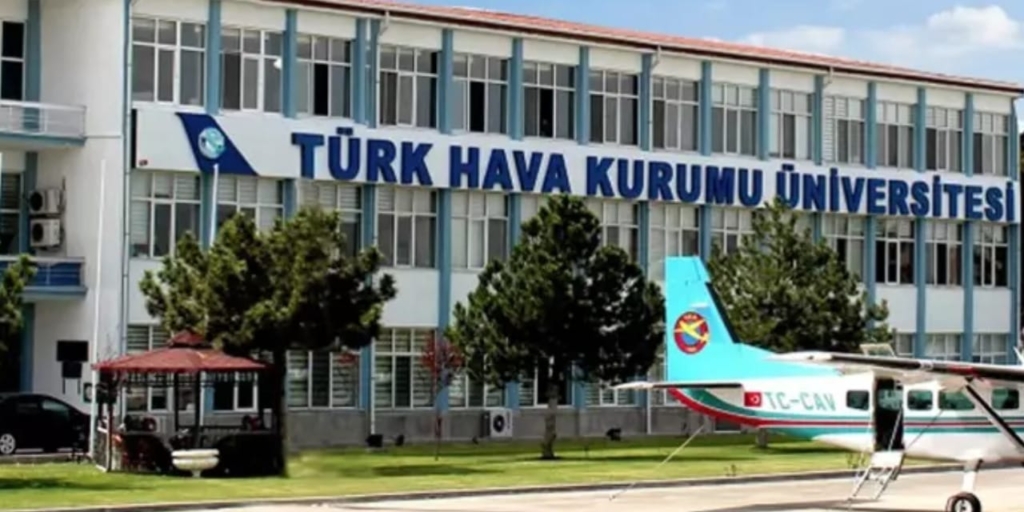

As Türkiye continues to reel from the ongoing fake diploma and e-signature scandal, new revelations have surfaced implicating Ünsal Ban, former rector of Turkish Aeronautical Association (THK) University, in a previously undisclosed case involving fraudulent diplomas. A document dating back a decade has emerged, raising serious questions about the legitimacy of academic credentials issued during Ban’s administration.
This latest development comes on the heels of a broader criminal investigation, which has already led to judicial action against 220 individuals and public lawsuits against 199 suspects. Ban’s name has also been linked to a separate bribery probe at the Capital Markets Board (SPK), further fueling controversy.
A Diploma Without Enrollment or Application
According to documents reviewed by journalist Mustafa Bildircin of BirGün, an individual who never applied to THK University or attended any of its programs was informed by the university’s Student Affairs Office that their graduate diploma was ready for collection.
The incident allegedly took place during Ban’s tenure as rector. The recipient, stunned by the unsolicited diploma, responded through a notary-delivered notice to the university dated April 11, 2015. The statement reads:
“I have learned that a master’s diploma has been prepared in my name by your university. However, I have never applied to your institution for undergraduate or graduate education. Furthermore, I have not participated in any of the national exams required to apply.”
The individual stressed that they had no involvement in any academic application and considered the diploma null and void. They also stated:
“I have no request to receive this diploma, which I believe may have been issued in error.”
A Broader Pattern of Fraud?
The timing and nature of this diploma issuance align disturbingly well with allegations already circulating in Türkiye’s judicial system. The scandal centers on a suspected network of forged academic credentials, many of which are thought to have been used to secure public sector jobs, academic titles, or government contracts.
The fact that a diploma was created for someone with no formal application, exam results, or contact with the university points to deep-rooted malpractice—and perhaps systematic abuse—within certain university administrations.
Ünsal Ban’s Controversial Legacy
Ünsal Ban, once seen as a prominent academic figure, is increasingly at the center of multiple legal and political storms. In addition to the THK diploma scandal, Ban’s name has surfaced in a bribery investigation at the Capital Markets Board (SPK), involving e-signatures and improper licensing.
Ban previously made headlines due to his marriage and subsequent divorce from Zehra Taşkesenlioğlu, a former AK Party MP. Their high-profile legal battles and allegations of abuse of power have already captured media attention, and the newly revealed diploma case adds to the weight of public scrutiny.
What This Means for Academic Integrity in Türkiye
The THK incident could serve as a chilling indicator of how academic institutions may have been compromised in recent years. The diploma scandal is no longer just about individual corruption—it now suggests the possible orchestration of fraudulent degree mills operating within official university structures.
If true, this undermines the legitimacy of thousands of diplomas issued during specific administrative periods and calls for immediate nationwide audits of academic records, particularly from institutions with questionable oversight histories.
Legal and Ethical Repercussions
Legal experts say this case, though specific, could open the door to further investigations across Türkiye’s higher education landscape. Public prosecutors may now look into similar cases, especially at institutions where political ties and administrative impunity have insulated misconduct.
If more fraudulent diplomas are uncovered, individuals holding such documents could face termination from their roles or even criminal charges, particularly if those credentials were used to obtain employment or public office.
Moreover, it raises moral and professional questions for graduates who earned their degrees through legitimate effort but now face reputational damage due to the corruption of their institutions.
Public Outrage and Institutional Silence
Public reaction has been swift and unforgiving. Social media users have expressed disbelief and anger, with many asking how diplomas could be issued without any record of enrollment. Comments like “Did they get their degrees from the corner store?” have gone viral, encapsulating the frustration many feel.
Meanwhile, THK University has yet to issue a detailed statement addressing the allegations related to this particular case. The silence has only intensified calls for transparency and accountability.
Next Steps: Investigations Likely to Widen
Given the widespread nature of the scandal and its potential impact on both public trust and professional standards, authorities are expected to broaden their inquiries. This may involve:
Forensic audits of university records
Cross-checking diploma databases with national exam records (e.g., ALES, YÖK)
Expanding the investigation beyond THK to other private and public universities
Introducing digital verification systems to prevent future forgeries
If systematic fraud is confirmed, Türkiye may be on the verge of one of the largest academic integrity crises in its history.