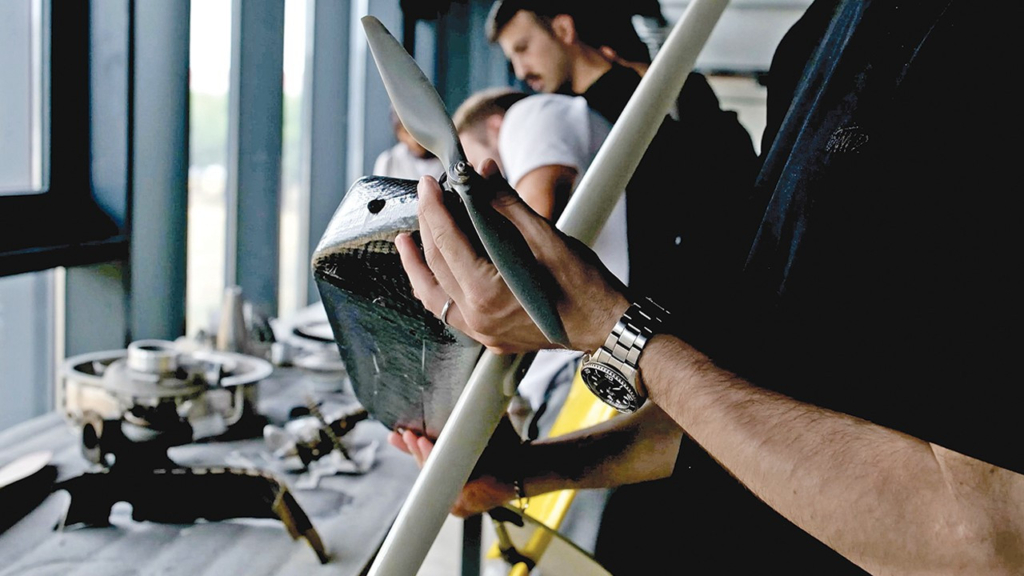

Türkiye’s aerospace and defense industries continue to thrive on local innovation, and one of the key players fueling this momentum is TRMOTOR. The company has taken a significant step by integrating its advanced engine manufacturing know-how into a structured technical education initiative named PowerCraft Motor School. With a focus on empowering its internal talent pool, TRMOTOR now offers a comprehensive 38-hour training curriculum designed specifically for its engineers.
This new educational endeavor underscores Türkiye’s commitment to cultivating domestic expertise in one of the world’s most complex and strategically vital sectors: aircraft engine design and manufacturing.
From Theory to Application: Inside the PowerCraft Curriculum
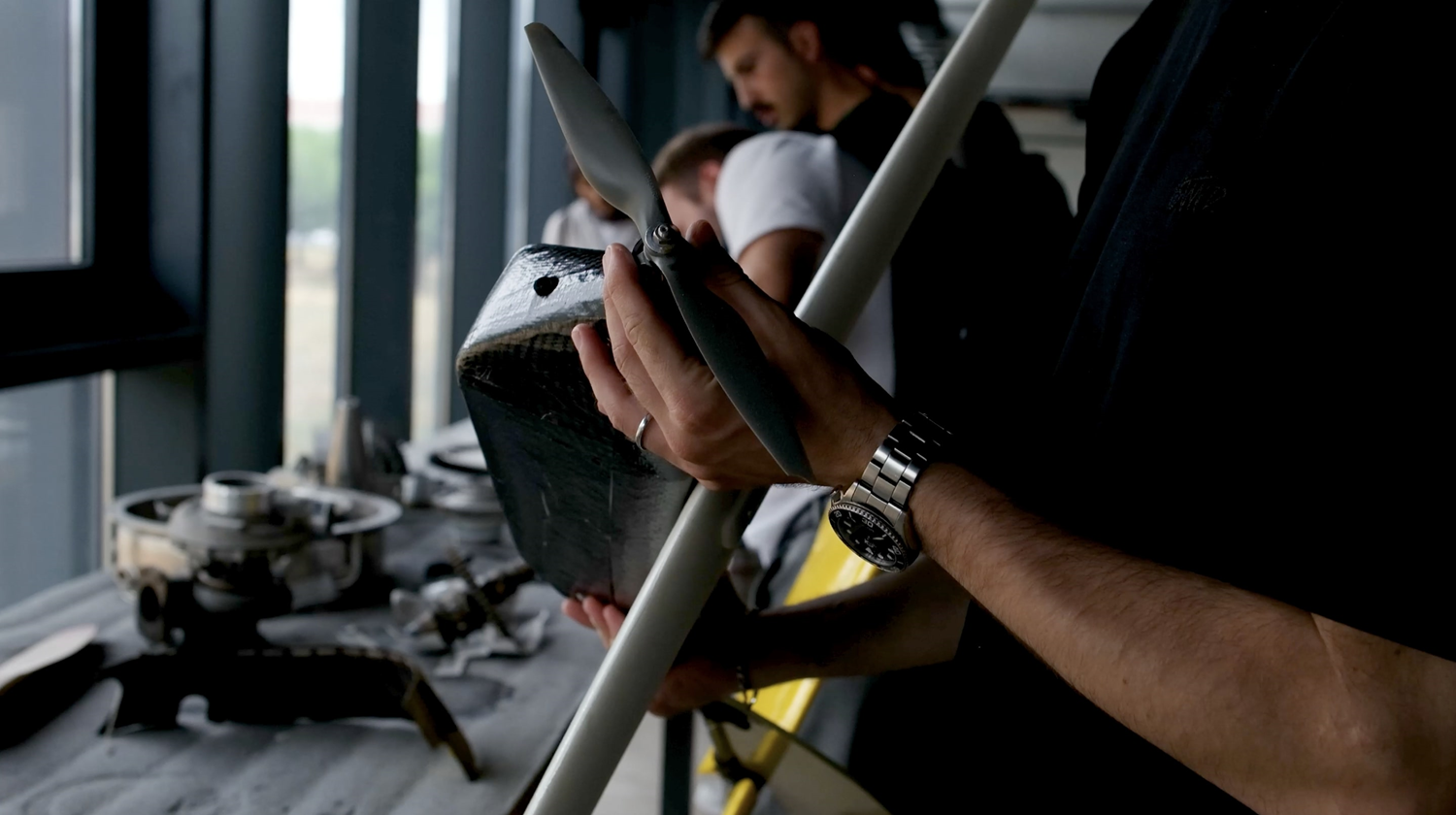
At the heart of this initiative lies a meticulously crafted training program, comprised of 17 individual modules. Conducted by TRMOTOR’s seasoned internal experts, the curriculum dives deep into all phases of engine development — from conceptual design to mechanical detailing and system integration.
Engineers enrolled in the program will gain in-depth knowledge on core components such as:
Compressor units
Combustion chambers
Turbines
Gearboxes
Engine casings
Fan assemblies
Pneumatic and exhaust systems
The training doesn’t stop at hardware alone. Engineers will also explore critical support systems like hydraulic control mechanisms, electrical systems, lubrication networks, and more. Additional modules cover nuanced areas such as crankshaft and disc design, equipping participants with a well-rounded perspective on every technical aspect of engine construction.
Bridging Academia and Industry
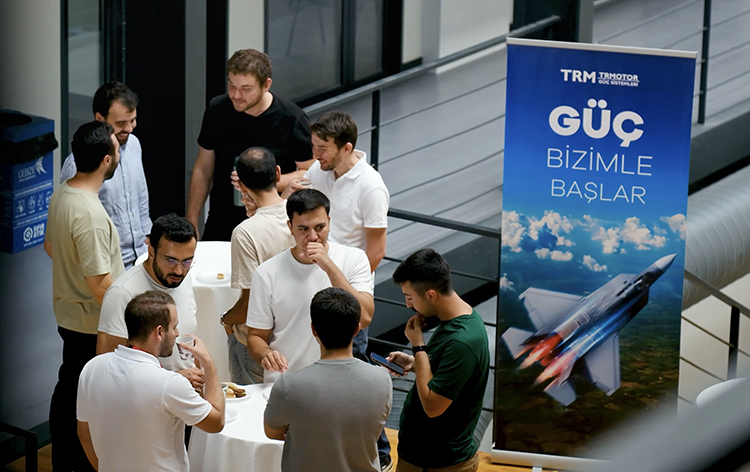
To expand the impact of this training model beyond corporate borders, TRMOTOR has partnered with Gebze Technical University, transforming the PowerCraft Motor School into a hybrid learning model. While engineers working in İstanbul will attend in-person sessions on the university campus, those stationed at other company sites will participate through an online platform.
This model not only ensures wide accessibility but also solidifies TRMOTOR’s broader vision of aligning industrial advancement with academic support.
Prof. Dr. Osman Saim Dinç, General Manager of TRMOTOR, emphasized the importance of this academic-industry synergy:
“We are developing indigenous engines for the globally acclaimed KAAN project. To secure a sustainable future for Türkiye’s engine industry, strategic and academic collaborations are essential. With this mindset, we’ve taken the PowerCraft Motor School to a new level this term by embedding it within an academic environment hosted by Gebze Technical University.”
Engineering Excellence for Türkiye’s Strategic Projects
In many ways, the PowerCraft Motor School represents more than just an internal training initiative. It is a microcosm of Türkiye’s ambitions to secure technological independence in critical defense sectors. By equipping its engineers with both theoretical knowledge and hands-on experience, TRMOTOR ensures that its workforce remains prepared to lead innovations on projects such as the KAAN fighter jet, which requires homegrown propulsion technologies of the highest standard.
Moreover, the dual format of the program — both face-to-face and remote — allows for scalable growth, enabling the company to respond swiftly to new challenges in the defense and aerospace sectors.
A Talent Incubator for Türkiye’s Future
The program is not just about meeting today’s needs but also about future-proofing Türkiye’s engineering capabilities. As global competition in defense technologies grows fiercer, Türkiye’s strategy to invest in the technical education of its domestic workforce positions it favorably on the world stage.
TRMOTOR’s model offers a blueprint for how defense companies can create internal centers of excellence — institutions that do not just build engines, but also build the minds behind them.
This transformation of training into a national strategy underlines how Türkiye is leveraging education as a pillar of industrial strength. With every engineer trained, the country moves a step closer to achieving complete independence in defense technology and manufacturing.