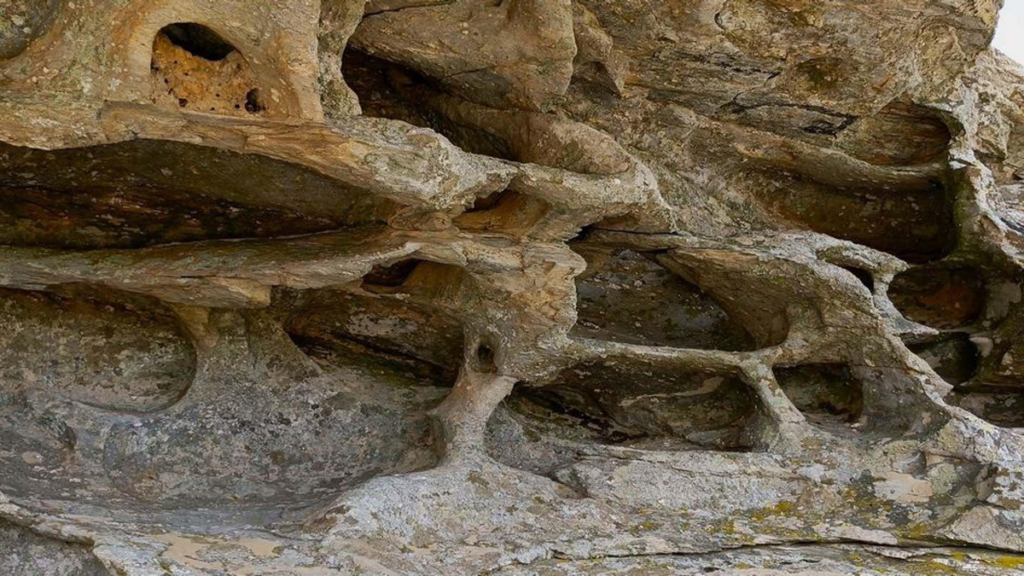

A significant archaeological discovery has emerged from the heart of southwestern Türkiye, where ancient rock art believed to be over 8,000 years old was recently found in the Beşparmak Mountains (Latmos), located between Aydın and Muğla provinces. The newly uncovered engravings, situated in the Koçarlı district of Aydın, have now been officially designated as a first-degree archaeological site by Türkiye’s Regional Board for the Protection of Cultural Heritage.
The find was made by Bahattin Sürücü, President of the Aydın-based environmental and cultural organization EKODOSD, during a routine field survey in March 2025. While exploring the northern part of the Latmos range, far from previously known rock art concentrations, Sürücü and his team encountered the ancient carvings along with additional archaeological remains including blacksmith workshops, ceramic fragments, and structural ruins.
A Discovery Beyond Known Boundaries
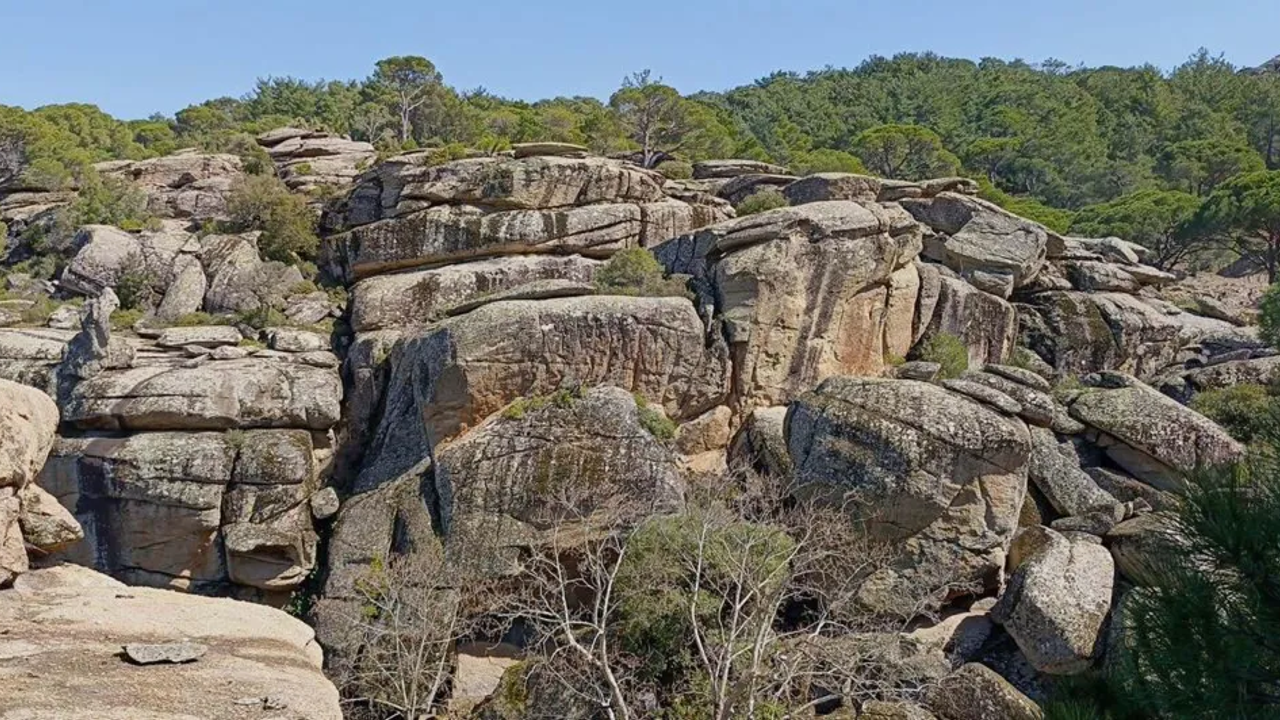
What makes this discovery particularly remarkable is its location. Most previously documented Latmos rock art was concentrated around Tekerlek Mountain. However, the latest find lies significantly farther away—an indication that these ancient cultural expressions might be spread across a much wider geographic area than previously assumed.
“The discovery of a third rock painting site, far from the mountain’s core, proves that the distribution of these artworks extends over a broader landscape,” said Bahattin Sürücü.
This unexpected find challenges existing assumptions and opens up possibilities for further research in neighboring areas, including the Madran Mountains and Sağlık Village, where other artworks were previously discovered.
Declared a Protected Archaeological Zone
Following the reporting of the site by EKODOSD, the Aydın Cultural Heritage Board launched an investigation. Experts concluded that the newly discovered artwork and artifacts date back approximately 8 millennia, to the Neolithic or Chalcolithic periods.
As a result, the area has been officially registered as a first-degree archaeological site, meaning it will receive the highest level of legal protection against development, looting, or environmental degradation.
Why These Rock Paintings Matter
Latmos rock paintings are considered some of the most culturally significant prehistoric artworks in Türkiye. Depicting human figures, daily rituals, animals, and symbolic motifs, they offer invaluable insight into the spiritual life, social structure, and visual language of ancient Anatolian communities.
Unlike cave paintings in other parts of the world that often feature hunting scenes, the Latmos engravings frequently show intimate human interactions, such as figures holding hands or embracing—hinting at early emotional and communal bonds.
The style and thematic focus of these paintings make them a unique component of Türkiye’s cultural heritage, comparable to the Neolithic sites of Göbekli Tepe or Çatalhöyük, but with their own distinct artistic language.
Call for a Holistic Preservation Approach
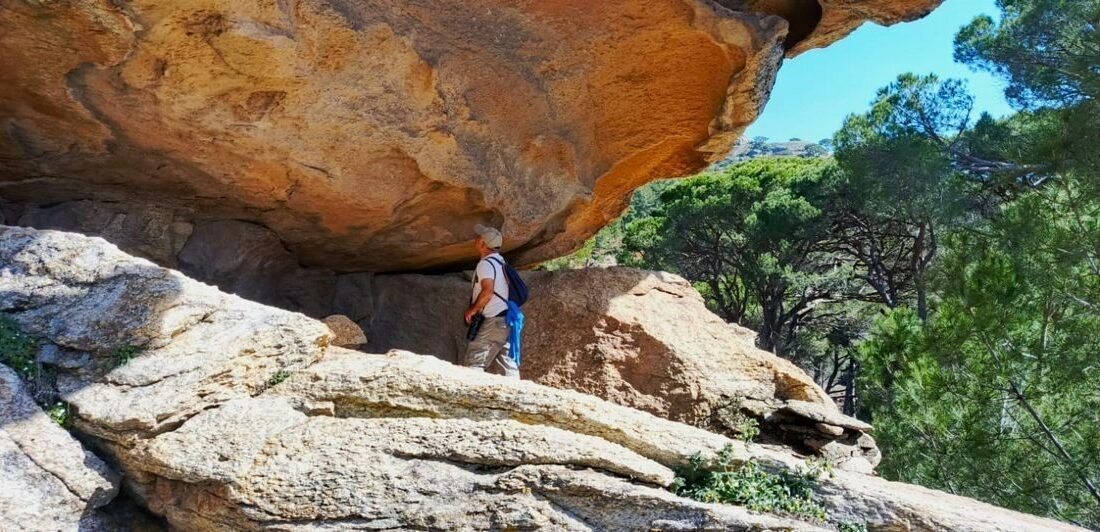
Despite the discovery’s significance, Sürücü cautioned that broader measures are necessary to safeguard the region’s full archaeological potential. He emphasized the need for a comprehensive conservation strategy:
“We believe there are many more undiscovered rock paintings in the region. Protecting and promoting these artworks as part of Türkiye’s cultural heritage will require a coordinated, long-term effort.”
He also pointed to the increasing threats posed by unregulated tourism, mining, and urban sprawl—stressing that integrated preservation planning is essential not only for archaeological integrity but also for the sustainable development of the region.
A Boost to Cultural Tourism and International Recognition
The new discovery is expected to attract both domestic and international interest from archaeologists, historians, and tourists. Experts believe that if properly managed and promoted, the Latmos Mountains could become a cultural tourism hotspot, adding economic value to the surrounding rural communities.
In recent years, interest in Anatolia’s prehistoric art has grown worldwide, and Latmos’s rock art—with its unique character and stunning natural backdrop—has the potential to be recognized by UNESCO as a World Heritage Site, provided that protective measures and documentation continue.
Looking Forward
The discovery in Koçarlı is a strong reminder that Türkiye’s prehistoric landscape still holds many secrets. As fieldwork continues and new technologies such as 3D scanning, satellite imaging, and AI-based pattern recognition become more common in archaeological research, more hidden masterpieces may soon come to light.
For now, EKODOSD’s efforts represent a meaningful step toward uncovering, understanding, and preserving the stories etched into the stone walls of Latmos—stories that have survived for thousands of years and are only just beginning to be told.