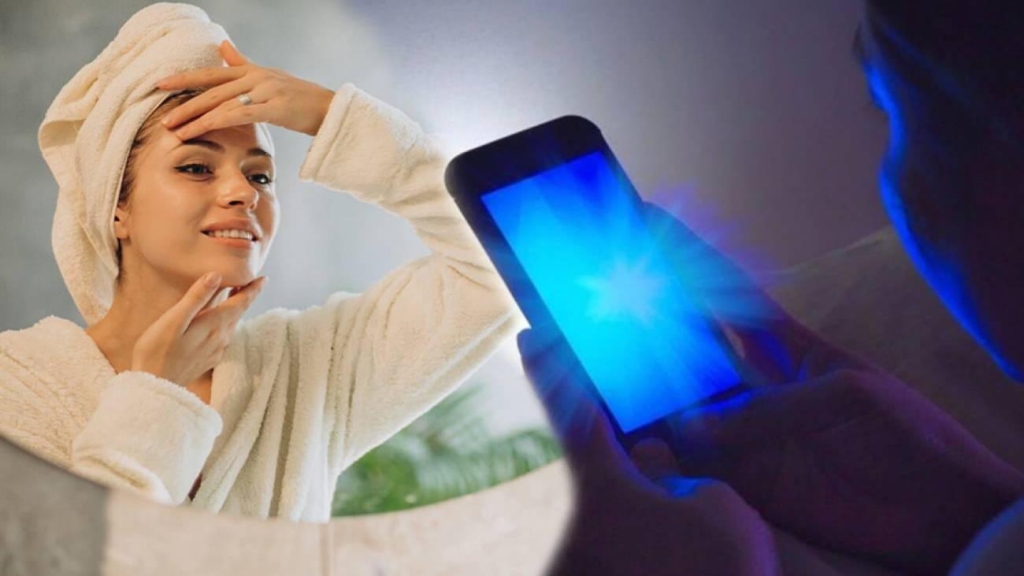

From smartphones to laptops, televisions to tablets, our lives are increasingly lit by the glow of digital screens. While these technological tools have become indispensable, their hidden impact on our skin is drawing growing concern from dermatologists. One of the lesser-known culprits of premature aging and skin damage is blue light—a high-energy visible light emitted not only by the sun but also by everyday screens.

Blue Light Beyond Sleep Disruption
Blue light, commonly discussed in relation to sleep disruption and eye strain, is now under scrutiny for its effects on skin health. Dermatology expert Dr. Sena İnal Aptoula warns that blue light exposure from digital devices may significantly accelerate skin aging, contributing to fine lines, pigmentation, and reduced skin elasticity.
“The blue light emitted by phones, computers, and TVs has a cumulative effect,” she states. “It’s not just sunlight we need to protect ourselves from—digital screens are becoming just as harmful over time.”
How Blue Light Affects the Skin
Unlike UVA and UVB rays, blue light (also known as high-energy visible light or HEV) penetrates deeper into the skin, potentially causing more long-term damage. Dr. Aptoula explains that exposure to blue light can increase the production of free radicals in the skin. These unstable molecules can damage cellular structures, including DNA, and accelerate the aging process.
Prolonged exposure can lead to:
Loss of skin elasticity
Increase in dark spots and hyperpigmentation
Dull complexion
Inhibited collagen production
Formation of fine lines and wrinkles
Especially in individuals with sensitive or blemish-prone skin, the impact of blue light may be more pronounced, creating persistent uneven skin tone and texture issues.
Modern Lifestyles Fueling Digital Skin Damage
With remote work, online learning, and endless entertainment options, screen time has skyrocketed across all age groups. Children, teens, adults, and even older generations now spend hours daily interacting with digital devices. While these technologies offer countless conveniences, they also expose users to a near-constant stream of blue light.
Dr. Aptoula emphasizes that while screen time may be necessary for modern living, awareness and protective habits can help counter its harmful effects.
Defensive Skincare Starts with Daily Protection
Protecting your skin from blue light starts with preventative care. According to Dr. Aptoula, the most effective approach includes incorporating antioxidant-rich skincare and specialized sun protection into your daily routine.
Morning Routine Essentials:
Antioxidant Serums: Vitamin C, niacinamide, and ferulic acid serums help neutralize free radicals produced by blue light and environmental stressors.
Broad-Spectrum Sunscreen with Blue Light Filters: While traditional sunscreens protect against UVA/UVB rays, newer formulations also include ingredients designed to shield the skin from HEV light. These should be used daily, even when indoors.
Evening Routine Essentials:
Barrier-Reinforcing Moisturizers: Night creams that contain ceramides, peptides, and hyaluronic acid help repair skin damage and strengthen the skin’s natural defenses.
Hydrating Masks or Oils: For dry or mature skin types, weekly hydrating treatments can help restore balance and soothe irritation caused by prolonged blue light exposure.
“Blue light suppresses collagen production and damages skin structure,” Dr. Aptoula notes. “Consistent skincare using the right ingredients is key to reversing or preventing these effects.”
Smart Habits Beyond Skincare
While topical treatments are vital, behavioral changes also make a difference:
Limit Screen Time: Take regular breaks following the 20-20-20 rule: every 20 minutes, look at something 20 feet away for 20 seconds.
Use Screen Filters: Blue light filtering screens or glasses can reduce the intensity of HEV exposure.
Dim the Lights: Lowering screen brightness and using dark mode can help reduce blue light emission.
Avoid Screens Before Bed: Not only does this reduce skin impact, but it also improves melatonin production and sleep quality.
Skin Types Most at Risk
Although everyone is susceptible to the effects of blue light, some skin types may be more vulnerable:
Sensitive Skin: More likely to show visible signs like redness, inflammation, or irritation.
Pigment-Prone Skin: Individuals prone to melasma or post-inflammatory hyperpigmentation may experience worsening discoloration.
Aging Skin: With slower cellular turnover and less collagen, aging skin is less resilient against external aggressors.
For these groups, protection is not just recommended—it’s essential.
Blue Light in Focus
As consumer awareness increases, the skincare industry is responding with innovative products tailored to digital lifestyles. Many brands now offer moisturizers, serums, and even foundations with built-in blue light protection. These products often combine mineral-based blockers like iron oxides with antioxidant-rich botanicals to create a comprehensive defense barrier.
Incorporating these into a routine can provide peace of mind for those who spend long hours in front of screens—whether for work or leisure.
A New Skincare Priority
Some might assume blue light skincare is a passing trend. But experts insist it’s a vital and lasting consideration in modern skincare science. The effects may not be immediate like a sunburn, but over time, the cumulative impact can be just as damaging.
Dr. Aptoula concludes with a final note of caution:
“People often underestimate what they can’t see or feel immediately. But blue light’s effects are silent and slow-building. Protecting your skin is not about fear—it’s about awareness and preparation.”
Reclaiming Skin Health in a Digital Era
In a world where screens are everywhere, protecting our skin from their subtle but steady assault is more important than ever. Combining awareness with scientifically supported products and habits can help maintain skin vitality, radiance, and resilience—no matter how digital our environment becomes.