In a vital update for the global energy market, Türkiye’s key maritime corridors—the Istanbul (Bosphorus) and Çanakkale (Dardanelles) Straits—continue to operate without disruption, ensuring the safe and efficient passage of oil tankers transporting crude from the Black Sea to international markets. According to a report shared via email by Tribeca Maritime Services and obtained by ForInvest News, 16 tankers are scheduled to transit the straits today, reinforcing the region’s strategic role in the global oil supply chain.
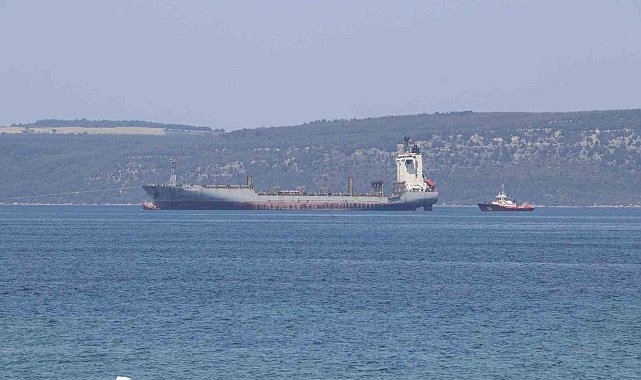
A Critical Artery for Global Energy Transport
The Istanbul and Çanakkale Straits are among the world’s busiest and most strategically significant maritime chokepoints. Serving as the only maritime outlet for countries like Russia, Ukraine, Georgia, and Romania, these straits allow vital exports—particularly oil and gas—to reach international markets via the Mediterranean Sea and beyond.
Each day, millions of barrels of oil and petroleum products pass through the Turkish Straits, connecting the Black Sea basin with the Aegean and Mediterranean seas. This continuous flow is essential not only for regional economies but also for global energy security.
No Disruptions Reported Today
According to the latest update, there are currently no logistical issues hindering transit. Sixteen tankers are expected to make their way through the straits today, indicating a high level of traffic but no notable backlog. Despite moderate to strong wind conditions expected in both straits—with wind speeds forecast at 6 to 8 on the Beaufort scale in the Bosphorus and 5 to 7 in the Dardanelles—navigation remains active and controlled.
Meteorological conditions play a critical role in transit scheduling. While high wind speeds can temporarily delay large vessels, today’s forecasts suggest that conditions remain within navigable limits, particularly for modern tankers equipped with advanced stabilization systems.
Average Waiting Times and Vessel Specifications
While the Tribeca report referenced “Average Waiting Time (Days)” and “Tanker Length,” specific numerical data was not disclosed. However, industry norms suggest that:
Smaller tankers (Handysize or MR) may wait between 6 to 12 hours depending on traffic density.
Aframax-class tankers, commonly used for regional exports, may experience waiting times of 0.5 to 1.5 days.
Larger Suezmax vessels, when permitted, are subject to stricter regulations and may face delays of up to 2 days in cases of adverse weather or high congestion.
Türkiye’s Vessel Traffic Services (VTS) and port authorities continuously monitor the straits and manage traffic based on weather, vessel size, and priority cargo.
Global Implications of Turkish Strait Traffic
The uninterrupted flow of oil through the Turkish Straits has broader implications for international energy markets. As tensions remain high in other parts of the world—particularly in the Red Sea and Suez Canal—alternative routes like the Bosphorus gain even more strategic importance.
Any disruption in these straits would have ripple effects across:
European fuel prices, particularly in southeastern Europe
Supply chains of refineries that rely on Black Sea crude
Tanker freight rates, which respond instantly to logistical bottlenecks
Insurance premiums, especially during geopolitical tensions
The current smooth transit operations help stabilize expectations and reduce volatility in crude oil shipping markets.
Türkiye’s Role as a Maritime Gatekeeper
Türkiye, by virtue of its geography, holds a unique responsibility as the custodian of this globally critical corridor. Under the Montreux Convention of 1936, Türkiye is tasked with regulating the transit of military and commercial ships through its straits, balancing sovereignty with international trade obligations.
To manage the growing volume of maritime traffic, Türkiye has significantly invested in:
Vessel Traffic Services (VTS) centers
Advanced radar and satellite monitoring
Pilotage and escort tug services for large-capacity tankers
Environmental and safety measures, including spill-response protocols
These measures have reduced incident rates in recent years and increased global confidence in the reliability of Turkish maritime infrastructure.
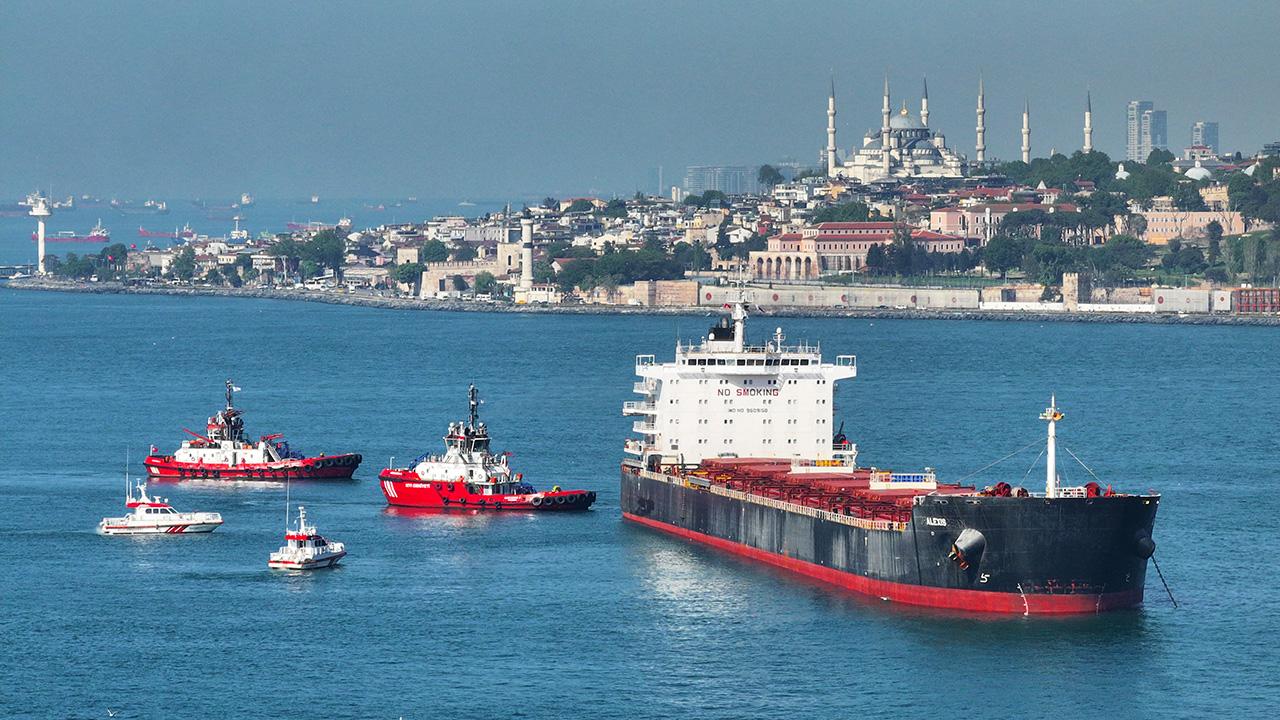
Why the Bosphorus Matters More Than Ever
Maritime analysts highlight that while chokepoints like the Suez Canal and Strait of Hormuz often dominate headlines, the Bosphorus and Dardanelles are equally critical—especially for energy exports from Russia, Azerbaijan, and Central Asia.
Dr. Kerem Altan, a maritime economics lecturer at Istanbul Technical University, explains:
“We tend to overlook the Turkish Straits in global discussions, but they are a lifeline for several oil-exporting nations. Even temporary disruptions can reshape oil flows, freight costs, and refinery operations from Europe to the Middle East.”
He adds that Türkiye’s continued political and infrastructural investment into safe strait management is “an invisible backbone” of regional energy stability.
Weather and Safety: The Human Element
Even with digital coordination, human vigilance remains paramount. Maritime pilots in Türkiye undergo extensive training and often guide ships through the most sensitive sections of the straits. These narrow passages—especially the sharp bends of the Bosphorus—are particularly hazardous during high winds or low visibility.
According to the Turkish Directorate General of Coastal Safety, the number of near-miss incidents has declined significantly due to the implementation of 24/7 real-time monitoring and coordinated traffic separation schemes.
Economic Value of the Turkish Straits
Beyond energy, the Turkish Straits support the broader movement of:
Grains from Ukraine and Russia
Chemicals and refined products
Container goods linking East and West
Military and humanitarian shipments under special protocols
According to the Turkish Maritime Chamber, the Bosphorus alone facilitates the movement of goods with an estimated annual value of over $200 billion. This figure is likely to increase as the Black Sea regains economic activity post-conflict stabilization efforts.
Managing Growth and Risk
The growing reliance on these straits means Türkiye will need to continually invest in:
Green shipping solutions to reduce emissions
Digital twins of the straits for simulation and training
Smart buoy and beacon systems
Emergency coordination with NATO and Black Sea littoral states
Long-term proposals also include alternative shipping lanes such as the controversial Kanal Istanbul project, aimed at reducing Bosphorus traffic—but facing environmental and political debate.
For now, though, Türkiye’s traditional straits remain the primary arteries.
A Day of Calm in a Sea of Complexity
As the world navigates energy insecurity, supply chain realignment, and geopolitical unpredictability, the quiet efficiency of Türkiye’s maritime routes offers a rare moment of stability. The passage of 16 oil tankers today through the Bosphorus and Dardanelles—without delay or disruption—is more than just routine; it’s a reminder of how critical infrastructure, expert management, and maritime diplomacy intersect to keep the world moving.