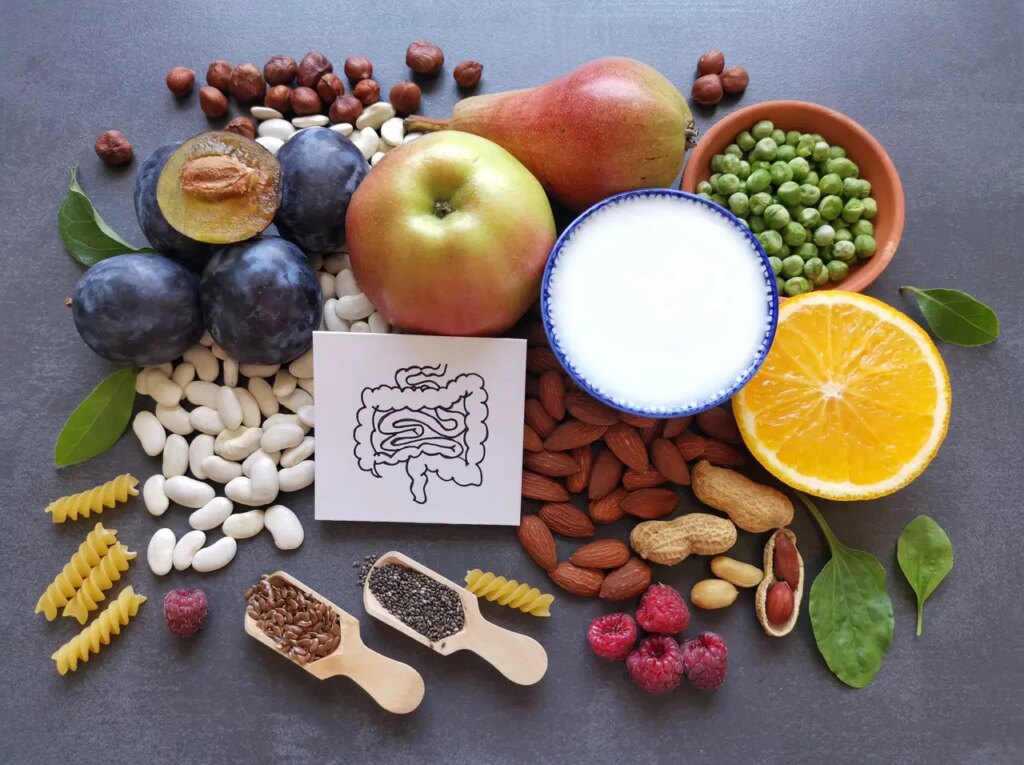

In recent years, “fiber maxxing” has emerged as a buzzword in the world of nutrition and wellness. This dietary approach centers on significantly increasing daily fiber intake to support overall health, with a special focus on digestive function, blood sugar balance, and long-lasting satiety. While the benefits are compelling, like any dietary change, fiber maxxing comes with its own set of risks if not implemented correctly.
This in-depth guide explores what fiber maxxing is, how it works, its key benefits, potential drawbacks, and practical strategies for safely incorporating it into your daily meals.

What Is Fiber Maxxing?
Fiber maxxing is the practice of deliberately boosting dietary fiber consumption to higher-than-average levels, often exceeding the standard daily recommendations. The primary aim is to optimize gut health, regulate digestion, and enhance metabolic function.
Dietary fiber is a type of carbohydrate that cannot be fully digested by the human body. Instead, it passes through the digestive tract largely intact, adding bulk to the stool and promoting healthy bowel movements. Fiber is categorized into two main types:
Soluble fiber – Dissolves in water to form a gel-like substance, slowing digestion and helping control blood sugar and cholesterol.
Insoluble fiber – Adds bulk to stool and promotes regular bowel movements by speeding the passage of food through the digestive tract.
Benefits of Fiber Maxxing
Adopting a high-fiber diet can offer a range of health benefits, particularly when the increase is done gradually and with adequate hydration.
Supports Digestive Health – Fiber helps prevent constipation, promotes regular bowel movements, and fosters a healthy gut microbiome by feeding beneficial bacteria.
Prolongs Satiety – High-fiber foods slow the digestive process, helping you feel full for longer and reducing the likelihood of overeating.
Balances Blood Sugar Levels – By slowing carbohydrate absorption, fiber helps prevent sudden spikes and crashes in blood glucose, making it especially valuable for those managing diabetes or insulin resistance.
Aids Weight Management – Because fiber-rich foods are often lower in calories yet more filling, they can help reduce overall calorie intake without leaving you hungry.
Lowers Cholesterol – Soluble fiber binds to cholesterol particles in the digestive system, helping remove them from the body and potentially reducing LDL (“bad”) cholesterol levels.
Risks of Fiber Maxxing
Despite its many benefits, excessive or poorly managed fiber intake can lead to discomfort and even health complications.
Excess Gas and Bloating – A sudden jump in fiber consumption can overwhelm the digestive system, leading to bloating, cramping, and flatulence.
Risk of Intestinal Blockage – Without sufficient fluid intake, high fiber levels can create blockages, especially in people with pre-existing digestive conditions.
Reduced Mineral Absorption – Excessive fiber may interfere with the absorption of minerals such as calcium, iron, and zinc.
Possible IBS Flare-Ups – For individuals with Irritable Bowel Syndrome (IBS), a rapid increase in fiber can aggravate symptoms like abdominal pain and irregular bowel habits.

How to Safely Implement Fiber Maxxing
If you are considering a high-fiber approach, gradual and mindful integration is key.
Increase Intake Gradually – Slowly raise fiber levels over several weeks to allow your digestive system to adapt.
Stay Hydrated – Drink plenty of water throughout the day, as fiber absorbs fluid and swells in the digestive tract.
Incorporate Both Fiber Types – Balance soluble and insoluble fibers for optimal health benefits.
Choose Whole Foods – Prioritize unprocessed sources like fresh vegetables, fruits, legumes, nuts, seeds, and whole grains.
Maintain Overall Balance – Ensure your diet still includes adequate protein, healthy fats, and micronutrients.
Best Foods for Fiber Maxxing
Vegetables – Broccoli, cauliflower, spinach
Fruits – Apples, pears, blackberries
Legumes – Lentils, chickpeas, kidney beans
Whole Grains – Oats, brown rice, whole wheat bread
Nuts and Seeds – Chia seeds, flaxseeds, almonds
Final Thoughts on Fiber Maxxing
Fiber maxxing can be a powerful tool for improving digestion, managing weight, and supporting long-term health. However, it should be approached with balance, patience, and attention to your body’s signals. Combining a variety of fiber sources, maintaining adequate hydration, and integrating other nutrient-dense foods will help you enjoy the benefits without the discomfort that can come from overconsumption.
When done thoughtfully, this approach aligns with many modern healthy eating trends, offering a simple yet effective way to enhance wellness naturally.