

Allianz Trade has released its latest global infrastructure investment report titled “3.5% by 2035: Closing the Global Infrastructure Gap”, which draws on economic and financial data to outline the scale of investments required to meet modern infrastructure demands. The report emphasizes that the global economy’s transition toward modern, climate-neutral, and digitally integrated systems will require €3.6 trillion in infrastructure investment annually until 2035—equivalent to around 3.5% of the world’s GDP.
This massive investment need is driven by gaps in digital access, urban transport, and logistics capacity, particularly in regions experiencing rapid population growth and high infrastructure deficits. These shortfalls not only hinder economic expansion but also pose risks to climate goals and digital inclusion.
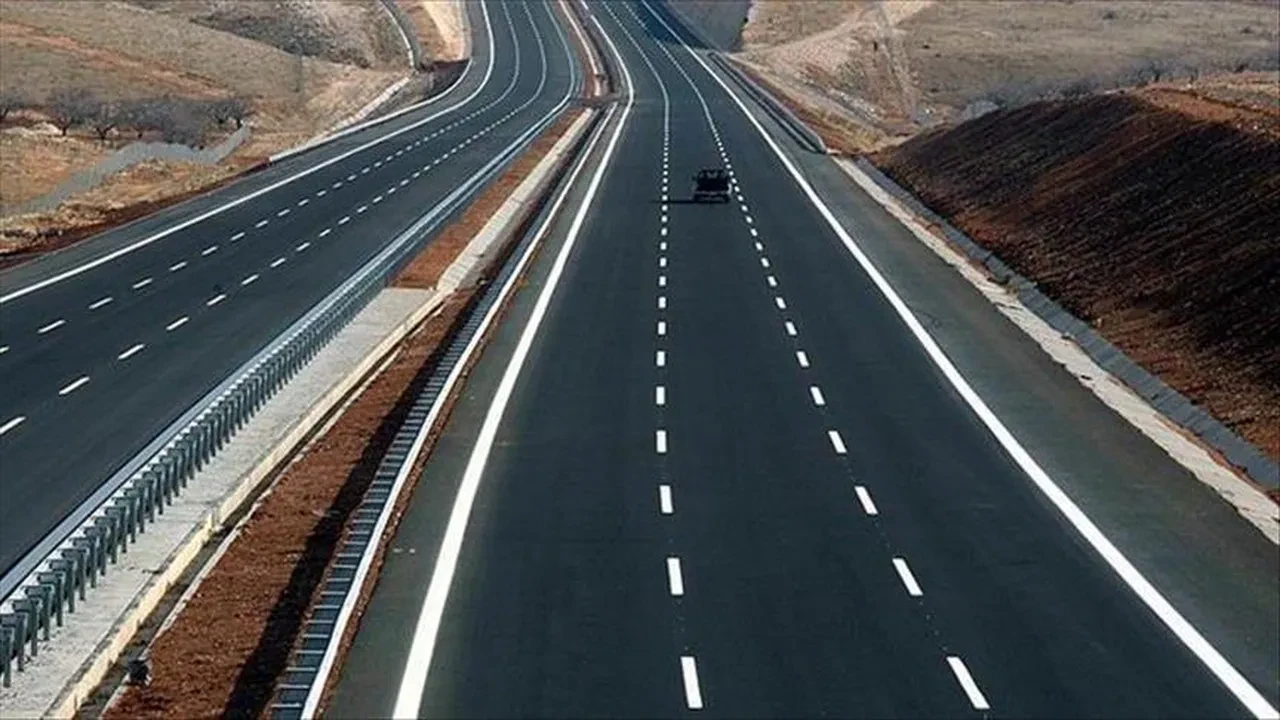
Türkiye’s Infrastructure Priorities: Roads Take the Lead
Allianz Trade Senior Economist Luca Moneta underscored Türkiye’s significant infrastructure requirements, highlighting its large population, the need to modernize industrial infrastructure, and the urgency of advancing climate targets. According to Moneta, Türkiye will need over €100 billion in non-energy infrastructure investments by 2035.
The breakdown of estimated investment needs includes:
Road infrastructure – €72 billion
Ports – €11 billion
Rail systems – €10 billion
Telecommunications – €6 billion
Sewage and water treatment systems – €1 billion
These investments are deemed critical for improving urban mobility, digital connectivity, and logistics capabilities in rapidly growing metropolitan areas such as Istanbul, Ankara, and İzmir, as well as supporting the development of industrial zones.
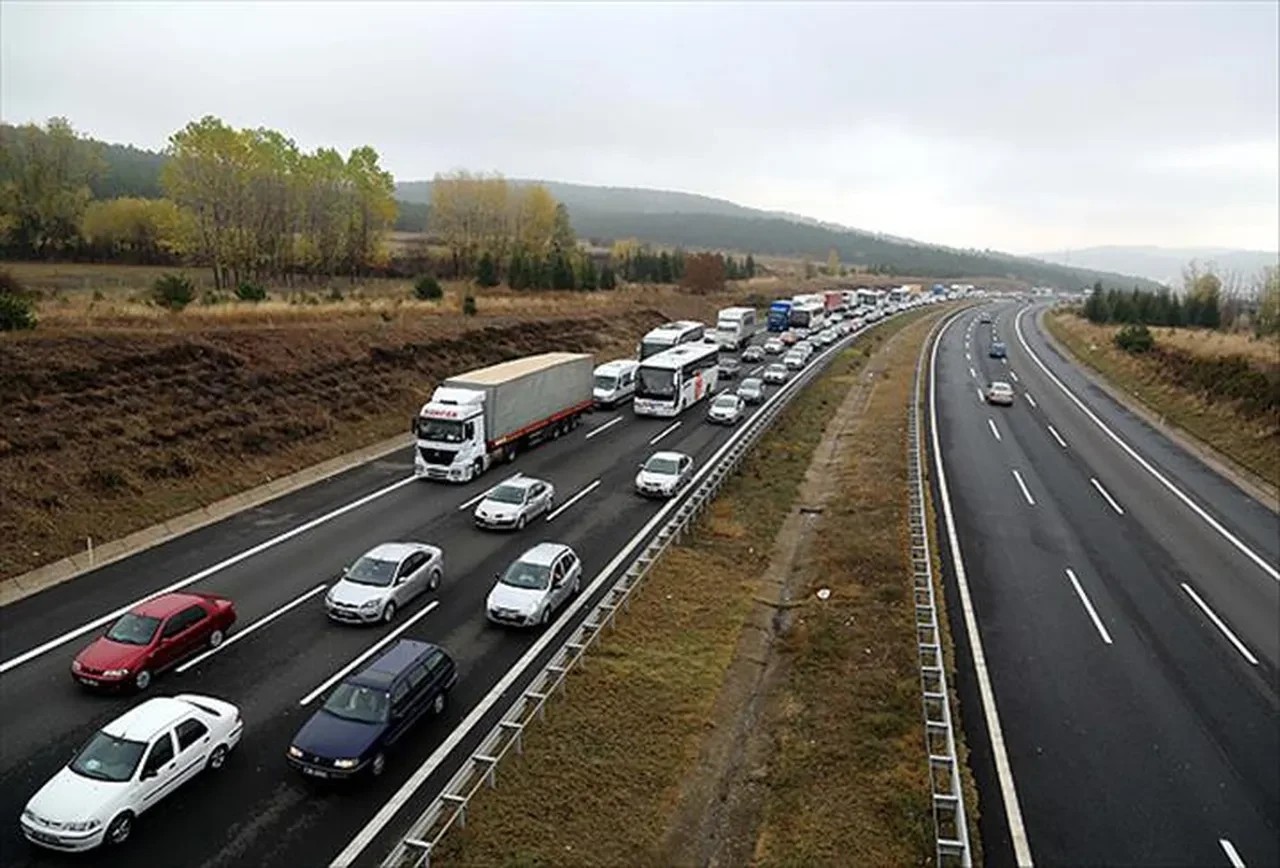
Energy Infrastructure Modernization Also a Priority
The report also identifies urgent needs in Türkiye’s energy infrastructure, focusing on grid modernization, battery storage systems, and renewable energy capacity expansion. Türkiye’s strategic position between Europe and Asia positions it as a potential leader in regional energy transition, but current challenges—such as limited storage infrastructure, lengthy permitting processes, and grid connection issues—must be addressed.
To enhance energy security and align with climate objectives, Türkiye will need substantial additional investment in grid upgrades and storage capacity.
Economic Normalization Could Accelerate Investment
Moneta noted that Türkiye’s ongoing economic normalization presents a window of opportunity for boosting infrastructure investment. Supported by fiscal discipline and a recovery in domestic demand, the economy is projected to grow by 2.5% in 2025 and 3% in 2026.
However, the current pace of investment still falls short of potential. Contributing factors include weakened competitiveness of export-oriented firms due to soft external demand and the appreciation of the Turkish lira in real terms. While access to financing has improved compared to previous years, it has yet to significantly influence private sector investment decisions.
Strategic Path Forward
Allianz Trade’s analysis suggests that for Türkiye to meet its infrastructure and climate goals, a dual focus on non-energy infrastructure development and energy network modernization will be essential. Investments in roads, ports, and telecommunications will address immediate logistical and urban challenges, while renewable energy, battery storage, and grid upgrades will secure long-term sustainability and competitiveness.