

One of Türkiye’s most recognized entertainers, İbrahim Tatlıses, is once again in the headlines — not for his music or business ventures, but for a legal dispute with his own son, Ahmet Tatlıses. The conflict centers on the rights to the famous “Tatlıses” brand name, a mark that has been closely associated with İbrahim Tatlıses’ decades-long career in music, television, and the food industry.
The disagreement, which has been simmering for some time, has now escalated into a courtroom battle that has captured both media attention and public curiosity. At stake is not only the legal ownership of certain brand names but also the family’s internal dynamics, which have often played out in the public eye.

Origins of the Dispute: The “Tatlıses” Brand
The “Tatlıses” name is more than a surname; it is a brand built over years of public recognition. İbrahim Tatlıses, known as the “Emperor” of Turkish music, has extended the brand into restaurants, production companies, and other ventures.
According to claims presented in court, the current dispute began when Ahmet Tatlıses applied to the Turkish Patent and Trademark Office to register brand names using variations of the family name. These included “atatlıses” and “ahmettatlıses”, which were successfully registered under his name.
The registrations allowed Ahmet to expand his restaurant operations, including venues branded as “Tatlıses Kebap”, which gained popularity in various locations. However, the registered trademarks and their actual usage allegedly began to diverge from each other, triggering tensions between father and son.
From Family Tensions to Legal Action
The matter took a serious turn when İbrahim Tatlıses, through his company Tatlıses Prodüksiyon, accused Ahmet of using the brand without proper authorization. In his legal complaint, İbrahim argued that the intellectual property rights tied to the “Tatlıses” brand belonged to his company and that they had been used without the company’s consent.
An additional point of contention emerged when İbrahim alleged that the company’s trademark attorney had, without informing or obtaining approval from Tatlıses Prodüksiyon, provided consultancy services to Ahmet in registering the disputed trademarks. This, İbrahim claimed, created a conflict of interest and undermined his company’s brand protection strategy.
In response to these allegations, İbrahim Tatlıses sought legal remedies, including the annulment of the contested trademarks and their removal from official records.
Initial Court Ruling in Favor of İbrahim Tatlıses
Reports in certain media outlets suggested that the court sided with İbrahim Tatlıses, ruling that the “atatlıses” and “ahmettatlıses” trademarks registered by Ahmet Tatlıses should be invalidated and removed from the official registry.
If enforced, such a ruling would mark a significant win for İbrahim, reinforcing his exclusive rights over the “Tatlıses” brand and restricting its use by others — including family members — without explicit permission.
However, as quickly as the news spread, so did the rebuttals from the other side.
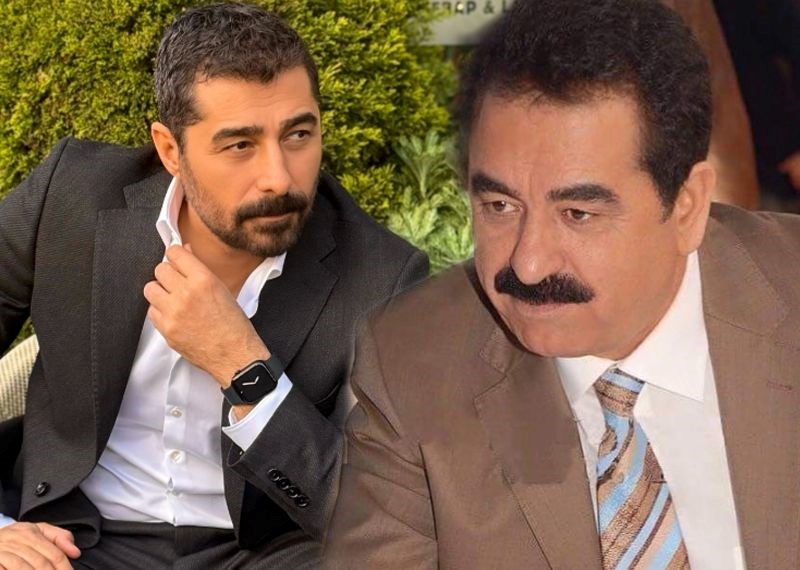
Ahmet Tatlıses Responds: ‘The Case Is Not Final’
Ahmet Tatlıses took to social media to clarify his position, directly challenging reports that his father had definitively won the case. In his statement, Ahmet emphasized that the legal process was still ongoing:
“Some media outlets are reporting that İbrahim Tatlıses has won the ‘Tatlıses’ brand case. These reports are not accurate. The case has not yet been finalized; the appeal process is still underway. The trademarks bearing my name were legally registered years ago with the Turkish Patent and Trademark Office. I believe these kinds of reports are part of a deliberate perception campaign aimed at damaging my reputation ahead of my plans to open a new business.”
Ahmet’s statement underscores a critical aspect of the case — the difference between an initial ruling and a final, enforceable judgment. In Türkiye’s legal system, decisions can be appealed through higher courts, and until the appellate process is complete, earlier rulings may be suspended or overturned.
The Business Side of the Conflict
Beyond the legal filings, this dispute highlights the commercial importance of branding in Türkiye’s competitive restaurant and hospitality sector. The “Tatlıses” name carries significant recognition, which can be a valuable asset in attracting customers.
For Ahmet, operating restaurants under variations of the family brand likely offered a competitive advantage. For İbrahim, however, unauthorized or inconsistent use of the brand could dilute its value, confuse consumers, and undermine the quality standards associated with the name.
Brand protection is a common source of conflict in family businesses, particularly when generational transitions are complicated by differing visions for the brand’s future.
Legal Context: Trademark Rights in Türkiye
Under Turkish law, a trademark is protected for the goods and services for which it is registered, and only the owner or authorized users can legally use it in commerce. In cases where a trademark is registered in bad faith — such as without the rightful owner’s consent — the law allows for cancellation and removal from the registry.
However, the burden of proof can be significant, and disputes often involve detailed evidence about the history of the brand, its use, and agreements (or lack thereof) between the parties. Family relationships do not automatically override trademark law; courts treat such cases with the same procedural rigor as disputes between unrelated businesses.
Public Perception and Media Narratives
High-profile legal disputes in Türkiye often become intertwined with media narratives, and the Tatlıses family’s public visibility amplifies this effect. The combination of celebrity status, family drama, and significant business interests ensures that such cases draw attention far beyond legal circles.
For İbrahim, being portrayed as defending his life’s work resonates with fans who have followed his career since the 1970s. For Ahmet, the narrative risk lies in being perceived as acting against his father’s interests, even as he maintains that his actions were legal and above board.
Ahmet’s claim that negative news coverage is timed to harm his reputation before the launch of a new business suggests that the dispute is not only legal but also reputational. In industries where personal branding is key, public perception can be as important as the outcome in court.
Potential Outcomes and Next Steps
If the appellate court upholds the initial ruling, the contested trademarks could be canceled, and Ahmet would be barred from using them in future commercial activities without authorization. This could lead to rebranding efforts for his restaurants and other ventures.
If, however, the appeal is successful, Ahmet would retain the rights to the trademarks, potentially setting a precedent for how family members can share or compete over brand assets in Türkiye.
Given the public nature of the dispute and the value of the “Tatlıses” name, it is also possible that the parties could reach a private settlement, defining clear terms for brand usage and avoiding further legal costs.
A Case That Reflects Larger Trends
This legal battle reflects broader themes in Turkish business culture, where family-owned enterprises make up a significant share of the economy. As younger generations seek to put their own stamp on established brands, disputes over intellectual property are becoming more common.
It also underscores the importance for family businesses to formalize brand ownership and licensing agreements early on, rather than relying on informal understandings. Without clear contractual frameworks, even strong personal relationships can break down when business interests diverge.
Conclusion
The trademark battle between İbrahim and Ahmet Tatlıses is a potent mix of family tension, celebrity intrigue, and commercial stakes. While an initial court ruling reportedly favored İbrahim, Ahmet’s insistence that the case is still in the appeals process means the outcome remains uncertain.
Until the final judgment is rendered, both sides appear prepared to defend their positions — one as the originator and steward of the “Tatlıses” brand, the other as a legitimate trademark holder seeking to protect his business interests.
Whatever the legal result, the case serves as a reminder of the complexities that arise when family, fame, and commerce intersect in the high-stakes world of brand ownership.