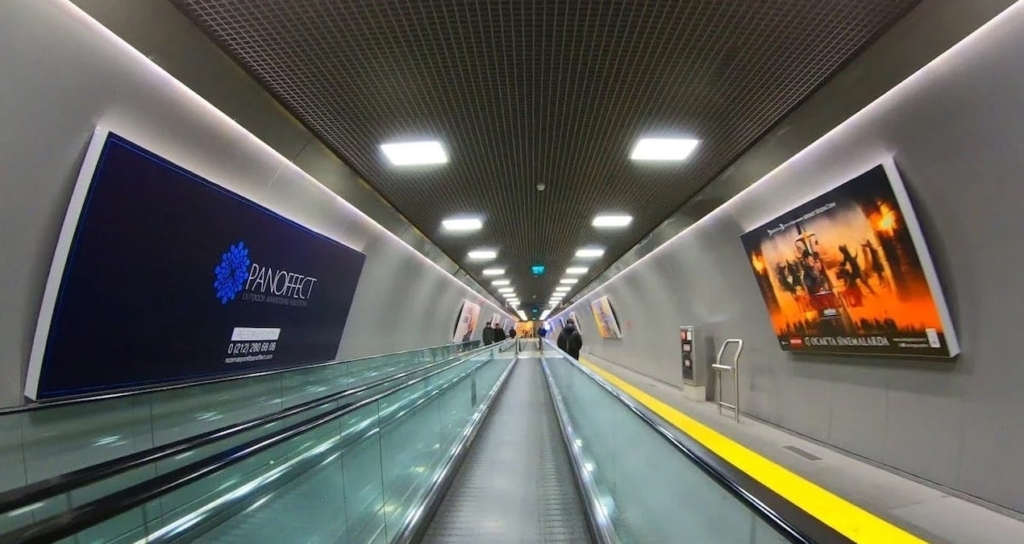

The Gayrettepe Metro Station connection tunnel, one of the busiest pedestrian passages in Istanbul, is set to undergo a major overhaul aimed at improving safety, accessibility, and comfort for its daily users. The Istanbul Metropolitan Municipality (IMM) announced the project with the statement that work is starting to reorganize the tunnel so it can better accommodate heavy foot traffic and provide a secure, user-friendly experience.
Dr. Özgün Soy, Chairman of the Board of Metro Istanbul, emphasized the strategic importance of the station within the city’s public transportation network. “Gayrettepe is one of the most critical integration points in Istanbul’s transport system. Combined with the traffic from the adjacent shopping mall and people using the tunnel for non-travel purposes, the flow here has reached extremely high levels. Originally, the tunnel was designed to handle around 10,000 people daily. Now, it serves more than 100,000 each day, causing significant congestion,” he explained.
Addressing Overcrowding and Accessibility
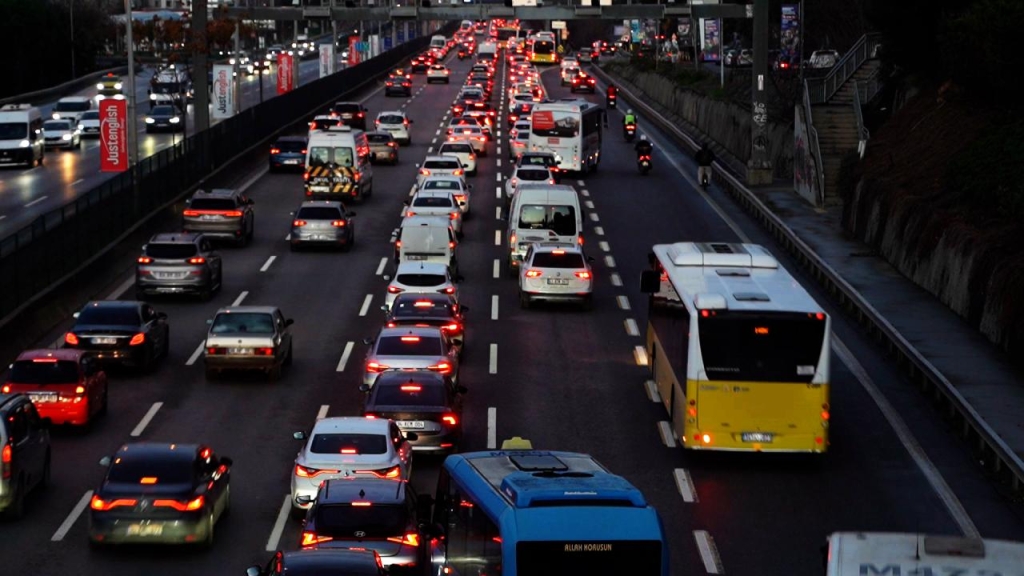
The rapid rise in pedestrian numbers has created safety concerns, especially during peak hours when passengers transferring between metro lines and buses mix with shoppers and local pedestrians. Narrow walkways, bottlenecks, and limited accessibility for people with mobility challenges have prompted calls for urgent improvements.
The upcoming works will address these issues through structural adjustments, wider passageways, and optimized design features to ensure smoother crowd circulation. According to IMM officials, the project’s primary goal is to create a passage that can handle the current demand while anticipating future growth in passenger numbers.
Removal of Moving Walkways
One of the most notable changes in the project will be the removal of the moving walkways in the connection corridor. While these walkways were initially installed to speed up pedestrian movement, they have become points of congestion and, in some cases, safety risks due to overcrowding.
By removing them, planners aim to free up space for wider walking lanes, reducing the pressure on foot traffic flow. This will also allow for improved accessibility measures, such as safer walking surfaces, better lighting, and clearer signage to guide passengers.
Nighttime Construction to Minimize Disruption
In an effort to reduce the impact on commuters and businesses, the construction work will be carried out during night hours. This scheduling decision is intended to keep the tunnel operational during the day, preventing major disruptions to the tens of thousands of people who rely on it daily.
The renovation is expected to take approximately 100 days to complete, with city officials aiming to deliver the upgraded tunnel on schedule to meet public expectations.
A Long-Term Investment in Public Transit Infrastructure
Urban planners and transport experts have noted that the Gayrettepe project is part of a broader trend in Istanbul’s public transport policy — prioritizing pedestrian safety, accessibility, and intermodal connectivity. Given the city’s growing population and increasing reliance on public transportation, investments like these are seen as essential to maintaining mobility and quality of life.
The improvements are also aligned with international best practices in transit design, where pedestrian comfort is considered a key factor in encouraging public transport use. Wider corridors, improved air circulation, and enhanced security measures are among the elements that will bring the tunnel up to modern standards.
Public Response and Expectations
Regular users of the Gayrettepe Metro connection tunnel have expressed optimism about the upcoming changes, particularly regarding the promise of reduced congestion and improved safety. However, there is also a cautious awareness that large-scale infrastructure projects can face delays, and commuters hope the 100-day target will be met without extending the construction period.
Business owners in the surrounding area have also voiced support for the project, noting that a smoother pedestrian flow could benefit nearby retail and dining establishments by making access easier for customers.
The Bigger Picture for Istanbul’s Transport Network
The Gayrettepe Metro Station serves as a vital interchange point, connecting multiple lines and linking to bus routes and commercial areas. Its strategic location means that any improvements here will have ripple effects throughout the wider transportation network, potentially reducing congestion in other parts of the city as well.
By investing in projects that focus not only on the capacity of trains and buses but also on the efficiency of passenger movement between them, Istanbul is taking steps toward creating a more sustainable and user-friendly urban transit environment.
As the city continues to grow, projects like the Gayrettepe tunnel upgrade will likely become increasingly common. Urban mobility experts stress that these upgrades are not just about meeting current demand but also about future-proofing the system against rising population levels and shifting commuting patterns.
This article was edited by Mehmet Horuz