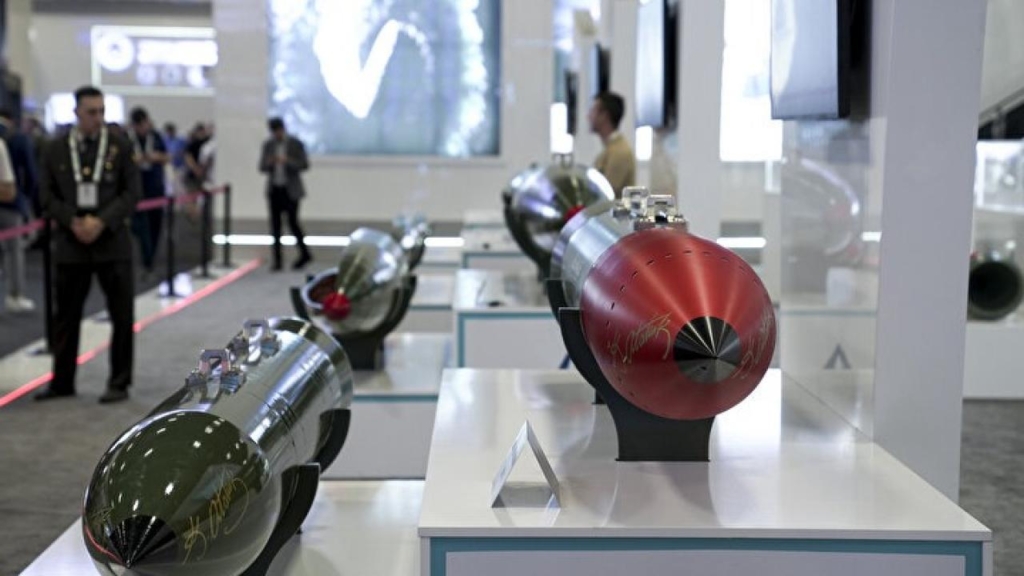

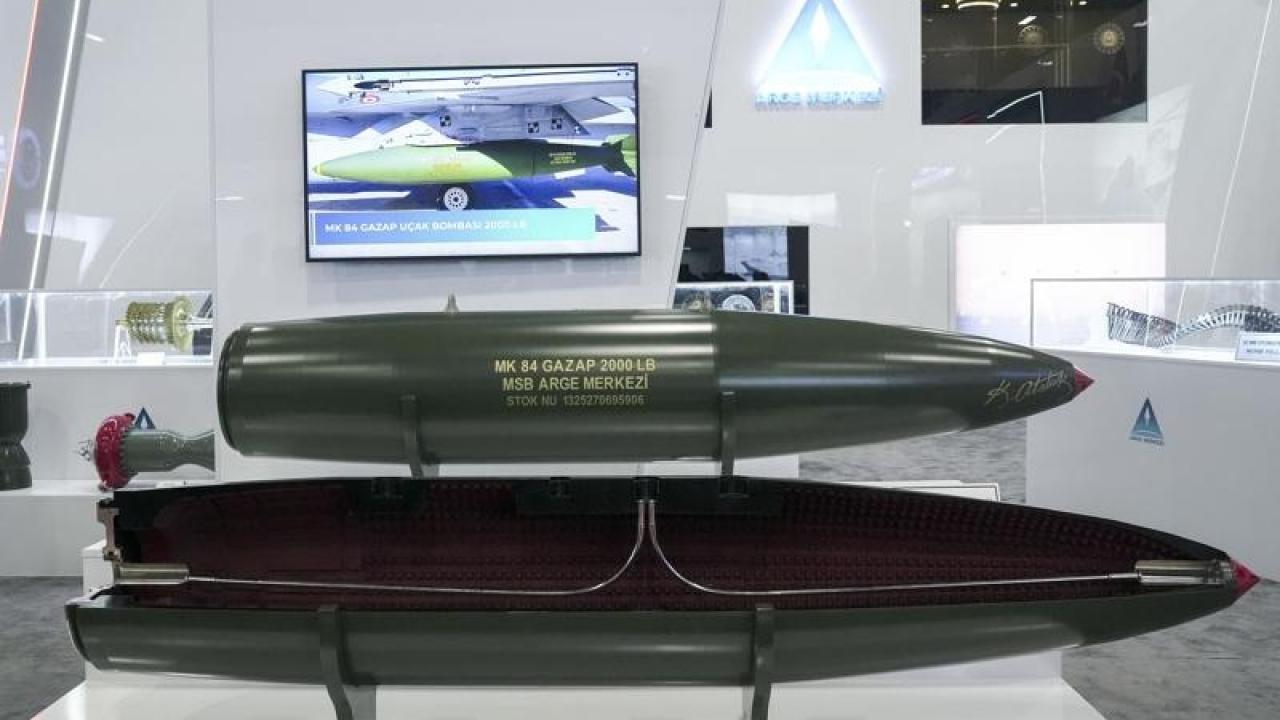
Türkiye has unveiled its most powerful domestically produced conventional aircraft bomb, named GAZAP, during the prestigious IDEF 2025 defense exhibition. Developed by the Ministry of National Defense’s R&D Center, this advanced weapon has quickly attracted both national and international attention for its unmatched destructive capability and strategic implications.
The GAZAP bomb stands out for its ability to disperse fragments over a one-kilometer radius, allowing it to effectively neutralize all elements within its operational zone. This innovative design, combined with its compatibility with widely used fighter jets such as the F-16 and F-4, underscores Türkiye’s growing expertise in advanced munitions manufacturing.
International Spotlight on Türkiye’s Latest Defense Achievement
GAZAP’s debut at IDEF 2025 was not only a highlight for Türkiye’s defense industry but also a subject of intense discussion in European media, particularly in Germany. Leading German outlets described it as the most powerful conventional bomb ever produced by Türkiye, emphasizing its significance in the country’s military modernization efforts.
German commentators noted that this achievement reinforces Türkiye’s position as an emerging regional power, capable of developing high-impact weaponry despite potential international restrictions. Reports highlighted Türkiye’s impressive 80% domestic arms production capacity, a strategic safeguard against possible external sanctions and supply chain disruptions.
Strategic Independence Over Economic Gain
While many countries focus on the economic benefits of arms production, analysts in Germany have pointed out that Türkiye prioritizes strategic autonomy above profit. This philosophy aligns with Ankara’s broader defense doctrine, which seeks to reduce dependency on foreign suppliers while expanding its influence in regional and global security affairs.
Defense analysts in Germany have also raised concerns over NATO’s role in regulating such high-powered weapon systems. Some experts suggested that NATO should set clear guidelines on where these weapons can be deployed and to which countries they can be exported. This debate reflects a wider conversation about balancing alliance obligations with national defense priorities.
Unmatched Destructive Power
The MK-84 GAZAP is distinguished not just by its size and explosive payload, but by the unique engineering behind its fragmentation effect. Each detonation disperses an average of 10.16 fragments per square meter, ensuring maximum impact across the target zone.
Laboratory trials have concluded, and the bomb has successfully moved into field testing. Compared to similar munitions in service globally, GAZAP delivers nearly three times the destructive power. This extraordinary force comes from its combination of explosive yield and specialized design, which creates both a devastating blast wave and extensive fragment coverage.
Versatile Integration With Türkiye’s Air Fleet
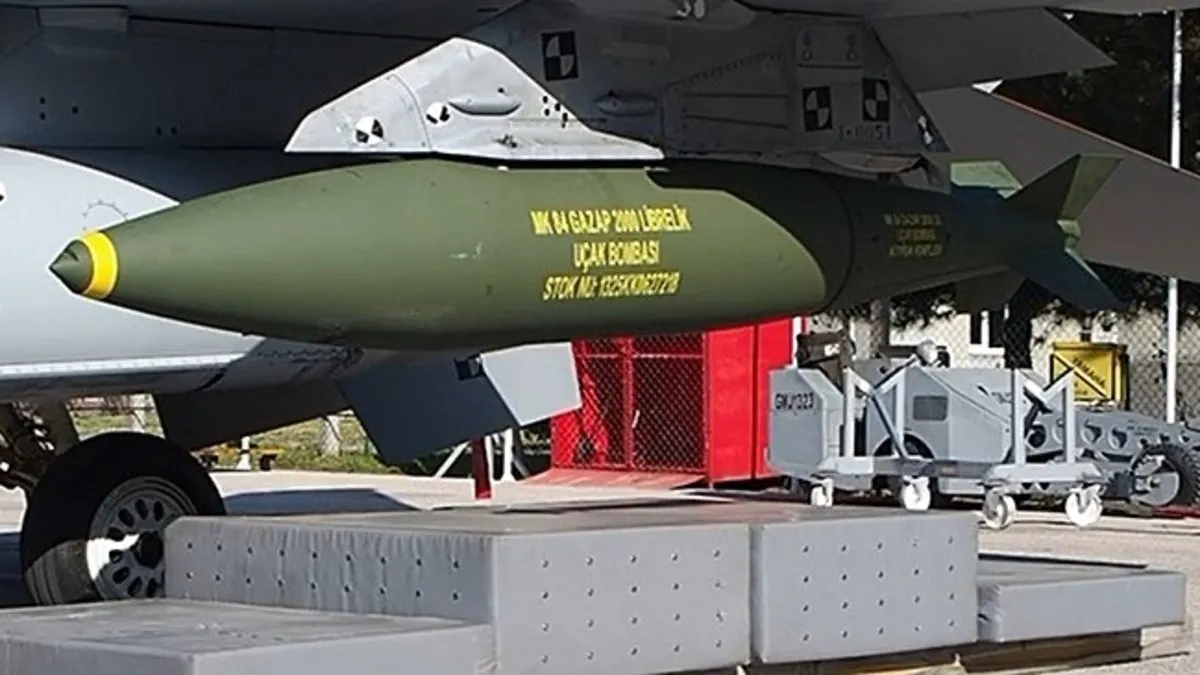
GAZAP has been specifically designed to integrate seamlessly with Türkiye’s existing fleet of F-16 and F-4 fighter aircraft. This compatibility allows for immediate operational deployment without the need for extensive modifications to the aircraft systems. Such adaptability not only enhances Türkiye’s tactical capabilities but also strengthens its deterrence posture in a volatile regional environment.
Moreover, the bomb’s wide-area fragmentation effect—spreading over a radius of one kilometer—makes it particularly effective against a broad range of targets, including fortified positions, troop concentrations, and critical infrastructure. This capability ensures operational flexibility in both defensive and offensive missions.
A Symbol of Technological Maturity
GAZAP represents more than just an advanced piece of weaponry; it is a symbol of Türkiye’s maturing defense industry. Over the past two decades, Türkiye has steadily invested in research, development, and production facilities, aiming to become a leading global player in the defense sector.
By producing high-end munitions like GAZAP domestically, Türkiye reduces its reliance on foreign technology and mitigates risks associated with potential arms embargoes. This strategic approach mirrors trends seen in other rising defense powers, where indigenous capability is viewed as essential to long-term security and influence.
The Broader Context of Regional Power Projection
Türkiye’s unveiling of GAZAP must also be viewed within the context of its evolving regional role. The development of such powerful conventional weapons signals a clear intent to maintain a credible deterrent while enhancing its operational reach.
In a region marked by shifting alliances, territorial disputes, and proxy conflicts, the possession of advanced munitions serves not only military purposes but also diplomatic ones. It communicates strength to both allies and rivals, reinforcing Türkiye’s position as a central player in regional stability—or instability, depending on geopolitical interpretations.
Expert Perspectives on the Future of GAZAP
Military experts suggest that GAZAP’s introduction will likely spur further advancements in Türkiye’s munitions technology. With successful field tests, it could become a standard element in the Turkish Air Force’s arsenal, potentially replacing older models and enhancing mission effectiveness.
Additionally, there is speculation that Türkiye may seek to export GAZAP to select partner nations, although such moves would be subject to political considerations and alliance agreements. The potential for export raises questions about how this technology could influence the balance of power in other regions.
German defense analysts have stressed the importance of establishing clear frameworks for such transfers, pointing out that high-destruction weapons require careful oversight to prevent misuse.
Looking Beyond IDEF 2025
IDEF 2025 was not only a platform for unveiling GAZAP but also an opportunity for Türkiye to showcase its growing self-sufficiency in defense production. The event reinforced the message that the country is no longer solely a buyer of advanced weapon systems but an increasingly competitive producer.
The GAZAP bomb, with its unparalleled destructive potential, stands as a testament to what Türkiye’s defense industry can achieve when innovation, strategic vision, and national security priorities align. As it moves into broader deployment, its impact will be felt not only on the battlefield but also in the strategic calculations of other regional actors.
Turkey’s defense industry appears set to continue this trajectory, with GAZAP serving as both a technological milestone and a political statement. Whether viewed as a necessary step in national security or a cause for concern in international arms control circles, there is no denying that GAZAP marks a new chapter in Türkiye’s defense capabilities.