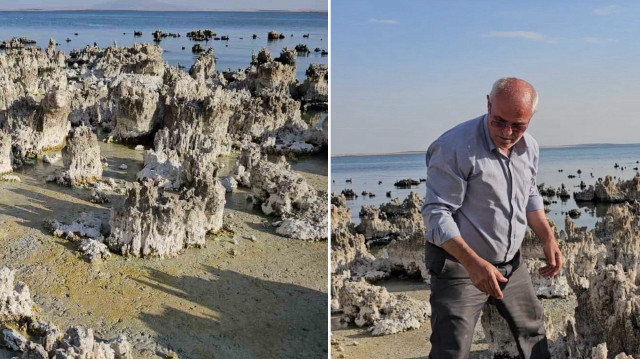

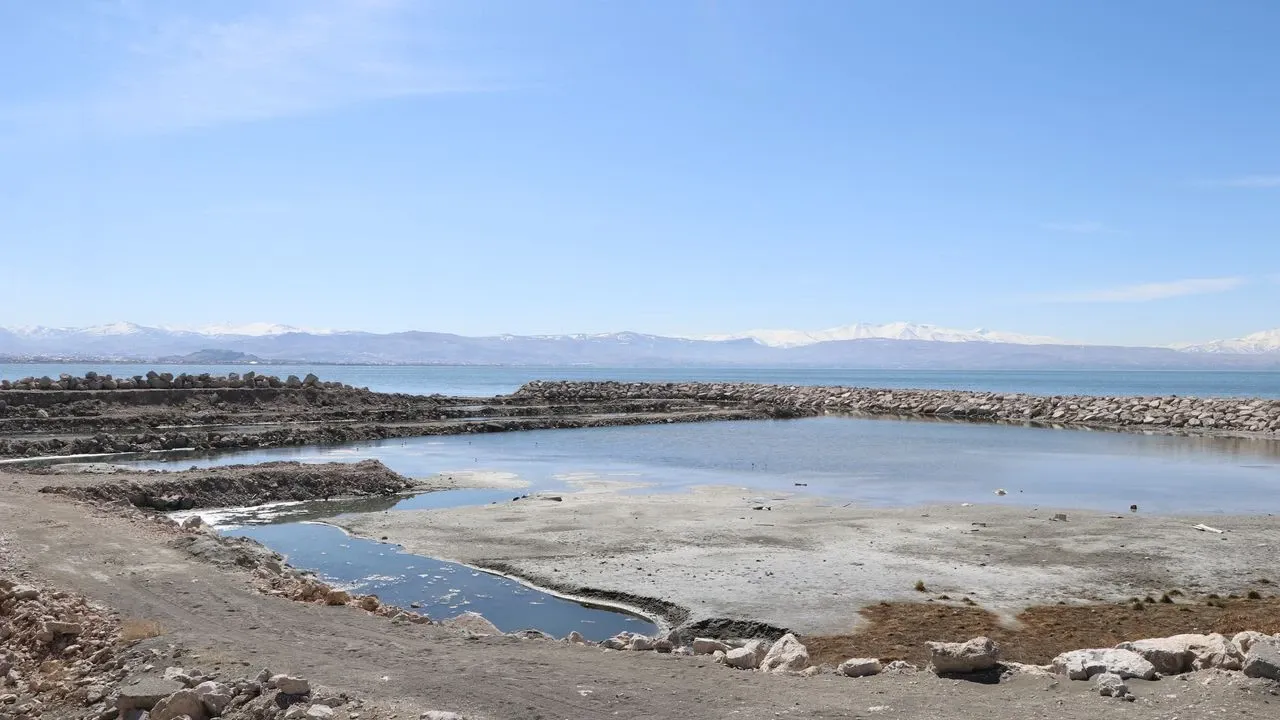
A prolonged absence of rainfall in Eastern Türkiye has led to alarming water loss in Van Lake, one of the country’s most significant freshwater bodies. Once known for its stable levels and scenic beauty, Van Lake is now experiencing dramatic shoreline recession, with water levels retreating by several meters. Areas that were once submerged are now bone dry, raising serious concerns for biodiversity, agriculture, and tourism in the region.
According to recent observations, the lake’s iconic coastline has been visibly transformed, especially near the Adilcevaz district of Bitlis province. The situation is being described by locals and environmentalists as one of the most severe drought-related developments in the lake’s modern history.
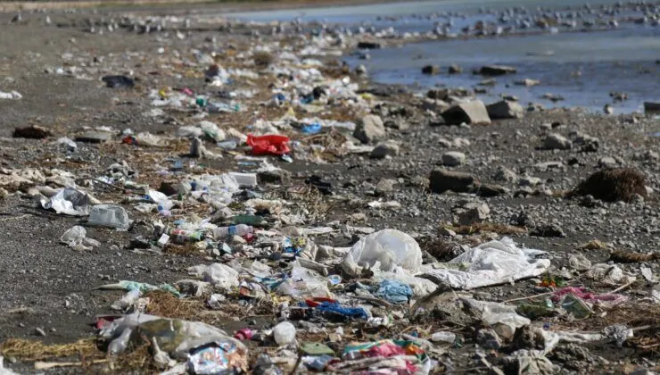
Van Lake’s Unique Ecology Under Immediate Threat
One of the most pressing environmental concerns centers on the pearl mullet (inci kefali) — a fish species found exclusively in Van Lake. This endemic species plays a key role in the lake’s ecological balance and supports the region’s small-scale fishing industry. With the continued retreat of water, the mullet’s breeding and feeding grounds are shrinking rapidly, jeopardizing the species’ survival.
In addition to the pearl mullet, microbialites, rare limestone structures formed by microorganisms, are now being exposed along the receding shoreline. While they provide fascinating scientific insight and tourism interest, their sudden emergence in large clusters is a clear indicator of extreme water loss.
Local Farmers and Herdsmen Struggle Amid Water Shortage
The Van Lake basin is home to thousands of families who rely on agriculture and livestock for their livelihoods. According to Orhan Emen, a resident of Adilcevaz, the drought is having direct consequences on daily life:
“The drought is hitting our farmers and herders hard. Many of us are struggling to irrigate our lands. Crop yields are down, and without enough water, maintaining livestock has become increasingly difficult,” Emen explained.
The shrinking lake also affects groundwater levels, compounding irrigation challenges for nearby villages. Many farmers report being forced to abandon sections of their land due to the high cost and difficulty of sourcing water.
Tourism Sector at Risk
Van Lake has long been promoted as a tourist destination, thanks to its natural beauty, historical sites, and cultural richness. From scenic boat tours to archaeological landmarks like Akdamar Island, the lake attracts both domestic and international visitors.
However, the visibly receding shoreline is now threatening this image. Beaches have moved inward, piers now extend into dry land, and once-picturesque views have become symbols of ecological stress. Tour operators and local businesses fear that decreasing aesthetic appeal and rising environmental concerns may deter visitors.
“Tourism is a key part of our regional economy. If the lake continues to dry, people will stop coming,” said another resident.
Understanding the Role of Climate Change
Experts agree that the situation at Van Lake is not simply a case of short-term rainfall deficiency — it’s a manifestation of broader climate change impacts. Rising temperatures, changing precipitation patterns, and prolonged dry spells have all contributed to a systemic imbalance in Türkiye’s hydrology.
“This is no longer just about seasonal drought. We’re witnessing the long-term consequences of climate disruption,” said one environmental researcher based in Van.
Moreover, snowmelt from surrounding mountains — once a crucial source of water replenishment — has decreased significantly. Without sufficient runoff, the lake fails to recover lost water during the spring and summer months.
Policy and Conservation Response Needed
Environmentalists are calling for urgent state-level intervention to address the crisis. Suggestions include:
Developing sustainable irrigation systems that reduce water waste
Launching public awareness campaigns to reduce regional water usage
Expanding monitoring systems to track water levels and ecosystem health
Introducing protective regulations for vulnerable habitats like microbialite fields and fish breeding zones
In the long term, broader climate resilience strategies are needed. This includes revising water resource management policies, diversifying agricultural practices, and improving early warning systems for drought conditions.
A Warning for Other Lakes in Türkiye
Van Lake’s situation may be the most dramatic, but it’s far from unique. Other major lakes in Türkiye — including Tuz Lake and Burdur Lake — have also experienced significant shrinkage over the past decade, often due to overuse, unregulated irrigation, and climate variability.
Van Lake serves as a warning sign of what could become a nationwide crisis if urgent climate and water management reforms are not implemented. The region’s communities are already facing the consequences — the rest of the country may not be far behind.
A Community’s Hope Amid Crisis
Despite the dire conditions, residents continue to hold on to hope. Community-led clean-up projects, conservation workshops, and local water-saving initiatives are slowly gaining momentum.
“We need both the government and citizens to act together. The lake is part of our identity — if we lose it, we lose more than just water,” said Emen.
As Türkiye confronts growing climate challenges, Van Lake has become a focal point of the national conversation on water, sustainability, and environmental justice. Whether policymakers will act in time remains to be seen, but the clock is ticking — and the shoreline keeps retreating.