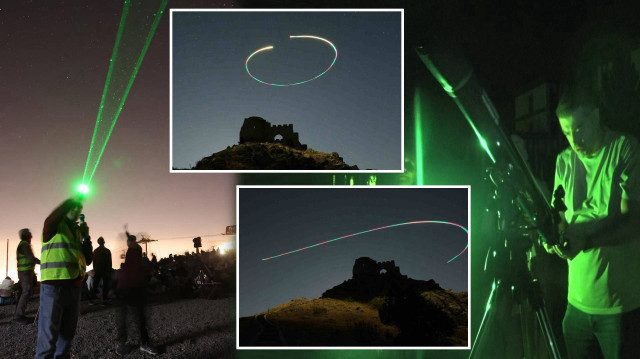

Each August, stargazers around the world turn their eyes to the heavens in anticipation of the Perseid meteor shower — one of the brightest and most reliable meteor displays of the year. In Türkiye, the event has once again become a national phenomenon, with photography enthusiasts, amateur astronomers, and families gathering under open skies to witness nature’s light show.
From the highlands of Eastern Anatolia to the shores of the Aegean, thousands participated in stargazing events organized in rural and light pollution-free areas, turning the annual astronomical occurrence into a festive and reflective experience.
Meteor Enthusiasts Gather Across Türkiye
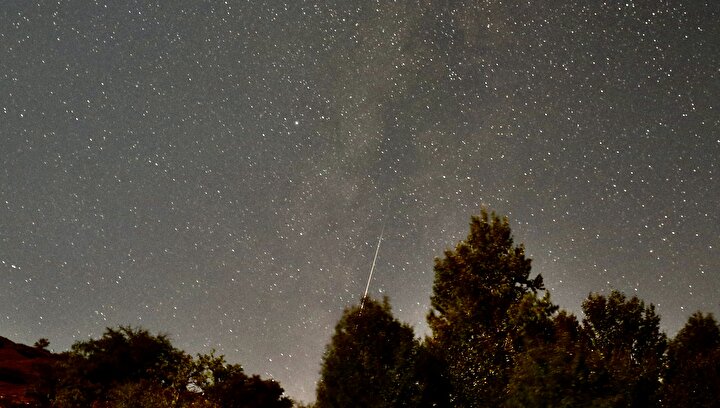
As the clock ticked closer to 22:00, tripods were assembled, lenses adjusted, and cameras set for long exposure across hillsides, plateaus, and national parks. Photography hobbyists and professional sky watchers alike aimed to capture the fleeting beauty of the Perseids, which appear to radiate from the constellation Perseus.
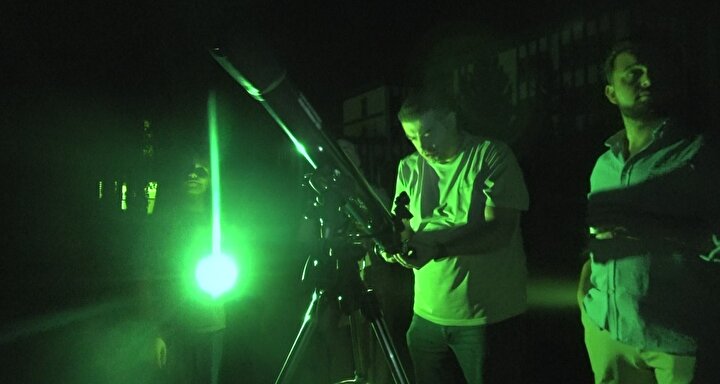
These gatherings weren’t limited to photography alone. Telescope stations, brought in by local observatories and science centers, allowed participants to zoom in on the stars, planets, and meteor trails in unprecedented detail. For many attendees, it was their first time viewing the night sky through a professional-grade telescope.
“It’s not just about meteors,” said Selin Korkmaz, a participant in Cappadocia. “It’s about reconnecting with the universe — in silence, away from city lights.”
Light Pollution-Free Zones Become Prime Viewing Spots
Organizers selected rural areas far from the intrusive glow of city lights to ensure maximum visibility. Remote towns in provinces such as Isparta, Kars, and Muğla offered clear skies and natural landscapes, providing the perfect canvas for both the meteors and long-exposure photography.
Armed with small LED torches, attendees meticulously adjusted their camera settings in complete darkness. Some camps even provided astro-photography workshops, teaching the basics of:
ISO calibration
Aperture control for low-light shooting
Long-exposure timing
Meteor tracking tips
Art Meets Science in the Skies
While some were chasing the perfect shot, others simply lay back on blankets and watched in awe. Families and children made wishes on falling stars, while astronomers explained the science behind the Perseids.
The Perseid meteor shower is caused by Earth passing through the debris trail of Comet Swift-Tuttle. As particles from the comet collide with Earth’s atmosphere at high speeds, they burn brightly, creating streaks of light that are visible to the naked eye.
The phenomenon is known for its reliability, often producing 50 to 100 meteors per hour at its peak under ideal conditions. This year, Türkiye was blessed with clear weather and optimal darkness, making it a perfect stage for the event.
National Excitement Echoes Through Social Media
Social media platforms, particularly X (formerly Twitter) and Instagram, were flooded with images taken by Turkish photographers. Hashtags like #PerseidTürkiye, #MeteorYağmuru, and #Gökyüzü2025 trended throughout the night.
One viral image taken from Mount Ida (Kazdağları) showed a shower of light slicing through a starry backdrop, with silhouetted pine trees in the foreground. Another from Van’s high-altitude plains captured multiple meteor trails in one breathtaking frame.
“I waited two hours for this one perfect streak,” said amateur photographer Yunus Karataş. “And it was worth every second.”
Educational and Scientific Impact
Several science museums and universities also held outreach programs in conjunction with the meteor shower. Students and citizens alike were educated on:
The composition and origin of meteors
The path of Comet Swift-Tuttle
The difference between meteors, meteorites, and meteoroids
Türkiye’s position in global stargazing geography
Observatories such as the TÜBİTAK National Observatory in Antalya and Uludağ University Astronomy Center offered live streams and data analysis, enhancing the event’s educational value across Türkiye.
A Connection to Ancient Sky Watching Traditions
For centuries, the people of Anatolia have looked to the skies for navigation, spirituality, and storytelling. The annual Perseid event serves not only as a visual delight but also as a reminder of cultural continuity.
In several villages, elders told folk tales about “falling stars” and the beliefs surrounding them — from wishes to omens — preserving oral traditions that blend seamlessly with scientific curiosity.
Astrotourism on the Rise in Türkiye
Events like this are fueling a growing interest in astro-tourism. Remote locations such as Karaman’s Taşkale, Erzurum’s plateaus, and the Mount Nemrut area are being promoted as “dark sky destinations.”
Tourism agencies are capitalizing on the trend by offering:
Stargazing tour packages
Guided night hikes
Astronomy photography expeditions
Meteor camping experiences
This year’s Perseid viewing may mark a turning point in how Türkiye combines ecotourism, education, and sustainability through astronomy-based travel.
Looking to the Skies Again Soon
While the Perseid meteor shower is an annual delight, Türkiye’s stargazing enthusiasts won’t have to wait long for the next event. The Orionids in October and Geminids in December are expected to offer more sky shows — albeit with colder conditions.
Officials and organizers are already planning future events and hope that rising public interest in astronomy will lead to more protected dark sky zones, improved infrastructure in rural stargazing sites, and increased funding for national observatories.