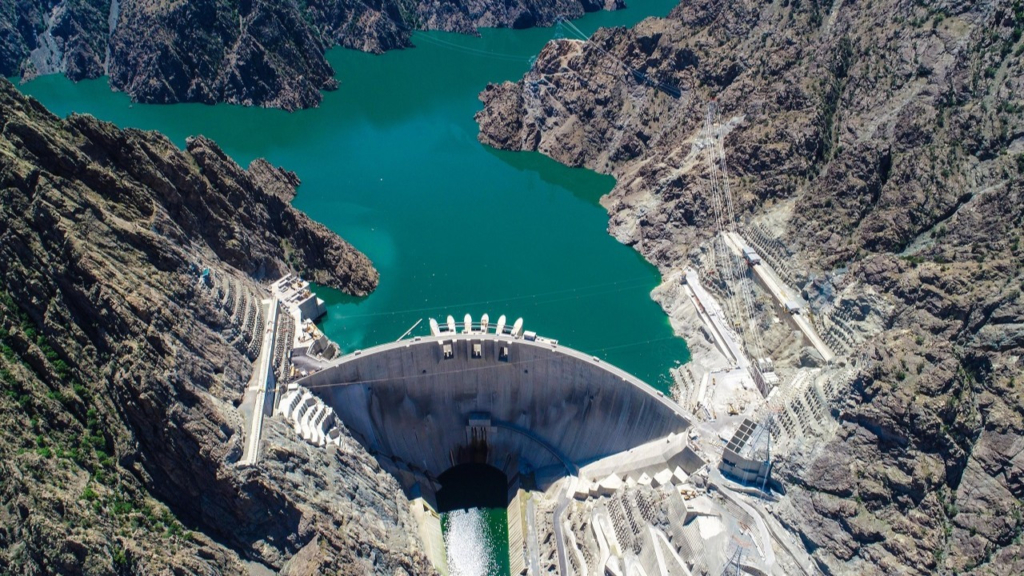

Türkiye’s commitment to renewable energy has reached a new milestone with the Yusufeli Dam and Hydroelectric Power Plant (HES) in Artvin. Producing an average of 1.827 billion kilowatt-hours (kWh) annually, the facility supplies enough electricity to meet the needs of approximately 2.5 million people.
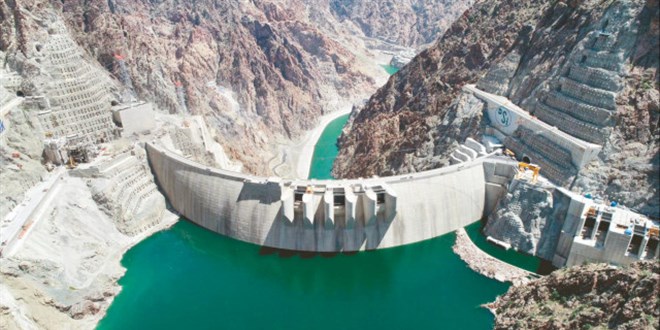
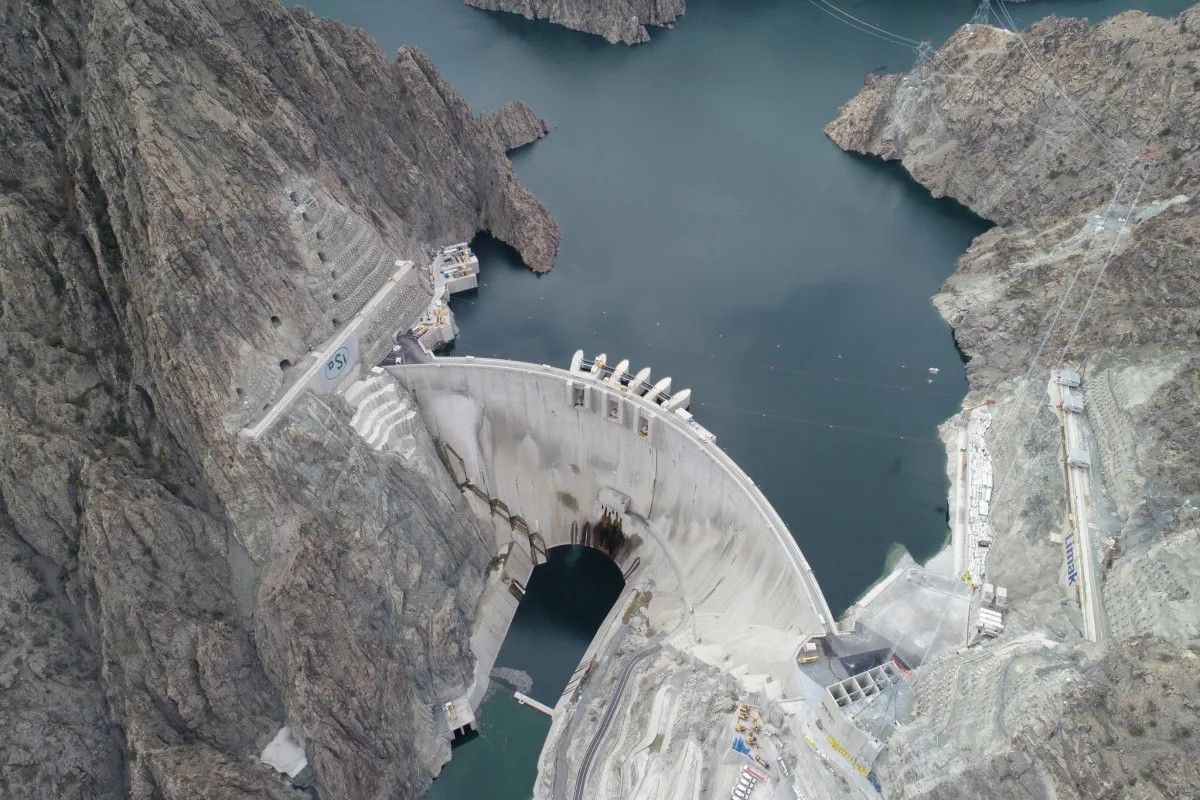
Constructed on the Çoruh River in Yusufeli district, the dam stands at an impressive 275 meters in height, making it Türkiye’s and Europe’s tallest concrete arch dam and the fifth tallest of its kind globally. Beyond its engineering significance, Yusufeli HES represents a cornerstone in Türkiye’s push toward energy independence and sustainability.
A Two-Year Operational Success Story
Commissioned just two years ago, Yusufeli HES has already proven to be a reliable source of clean power. Its annual output of about 1,827 gigawatt-hours is sufficient to supply electricity to 650,000 households across the country. This production accounts for roughly 2.5 percent of Türkiye’s total hydroelectric generation, reinforcing its importance in the national energy portfolio.
The project plays a dual role — not only providing energy security but also contributing to Türkiye’s environmental commitments by reducing reliance on fossil fuels and lowering carbon emissions.
The Role of Hydropower in Türkiye’s Energy Mix
According to data shared by the Ministry of Energy and Natural Resources, 60 percent of Türkiye’s total installed electricity capacity comes from renewable sources. Nearly half of this — approximately 33,000 megawatts — is generated by hydroelectric power plants.
This makes hydropower the largest contributor to Türkiye’s renewable capacity, surpassing other clean energy technologies such as wind and solar. Hydroelectric facilities like Yusufeli are integral in balancing the grid, ensuring stability during peak demand, and reducing the country’s dependency on imported energy resources.
A Strategic Asset for Energy Independence
Energy and Natural Resources Minister Alparslan Bayraktar described Yusufeli HES as a symbol of Türkiye’s determination in its renewable energy transition. Highlighting the importance of domestic energy generation, Bayraktar stated that hydropower facilities form the backbone of Türkiye’s sustainable energy infrastructure.
By utilizing its own water resources, Türkiye reduces its reliance on foreign energy imports, strengthens its supply security, and moves steadily toward its 2053 net-zero emissions target. The minister emphasized that renewable energy projects like Yusufeli are critical to achieving “Energy Fully Independent Türkiye” — a vision that combines economic resilience with environmental responsibility.
Engineering and Environmental Impact
The Yusufeli Dam is not only a technological feat but also an example of precision engineering adapted to challenging geography. The Çoruh River’s fast-flowing waters and steep valleys made it an ideal location for a high-capacity hydropower plant.
The project’s design ensures efficient water usage while minimizing ecological disruption. Advanced monitoring systems help regulate water flow to support downstream ecosystems, manage flood risks, and maintain consistent electricity production year-round.
Hydropower’s Broader Economic Contributions
Beyond its role in electricity generation, Yusufeli HES contributes to regional economic growth. The project created thousands of jobs during its construction phase and continues to support local employment through operations, maintenance, and related service industries.
The electricity produced also provides a stable and affordable energy source for industries, helping to keep production costs competitive and supporting Türkiye’s manufacturing and export sectors.
Looking Ahead: Türkiye’s Renewable Energy Path
As Türkiye aims to increase its renewable energy share even further, projects like Yusufeli serve as both inspiration and proof of capability. The country’s strategic energy roadmap includes expanding wind and solar capacities, modernizing grid infrastructure, and integrating more storage solutions to complement hydropower.
However, hydropower will likely remain a central pillar due to its scalability, reliability, and ability to provide continuous, dispatchable energy. With its significant height, capacity, and production figures, Yusufeli Dam will continue to be a flagship model of sustainable infrastructure for decades to come.
In a world where energy security and environmental stewardship are increasingly interconnected, Türkiye’s investment in projects like Yusufeli HES underscores its readiness to lead in renewable energy innovation while safeguarding its national interests.