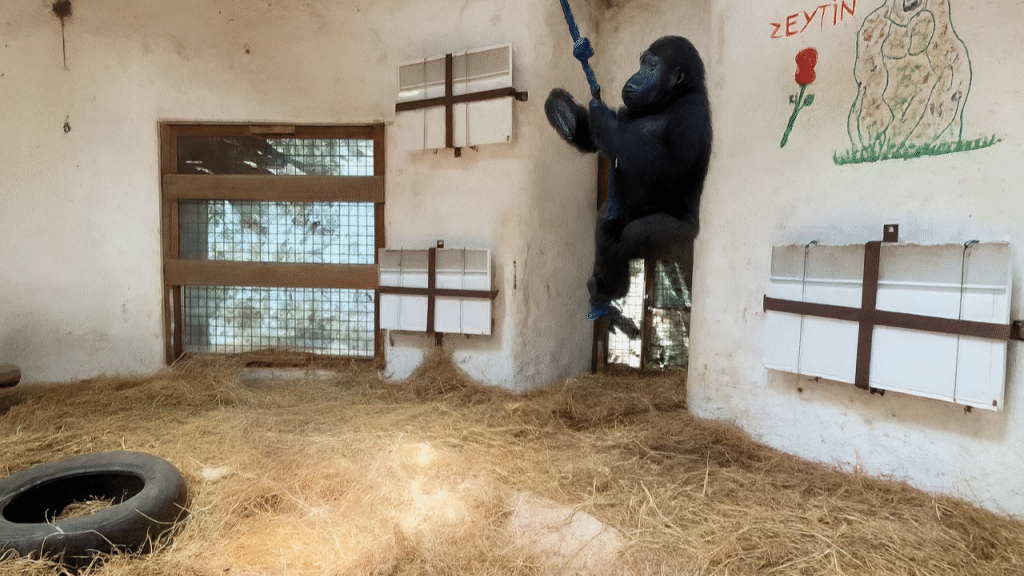

Zeytin, the young gorilla gorilla intercepted at Istanbul Airport in December 2024, is now preparing to return to her natural habitat after months of care, protection, and international coordination. Her repatriation to Nigeria will be carried out under strict IATA regulations via Turkish Airlines, according to officials.
The case of Zeytin not only captured public attention but also shed light on the broader issue of illegal wildlife trafficking, especially involving endangered species protected under international conventions.
From Smuggling Attempt to Symbol of Hope
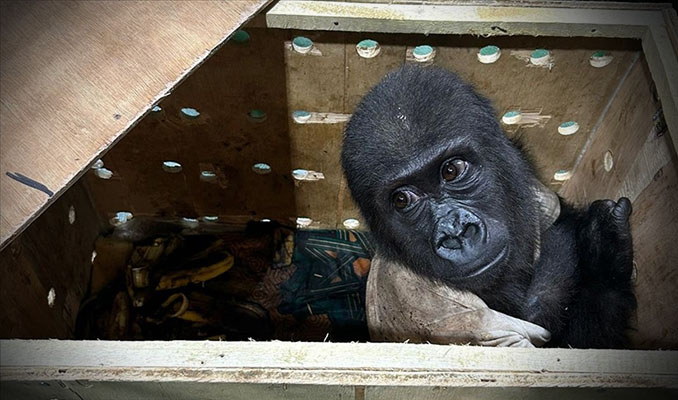
Zeytin was discovered by Customs Enforcement teams from the Turkish Ministry of Trade during a routine inspection at Istanbul Airport. Authorities identified a suspicious crate on a cargo route from Nigeria to Bangkok. Upon opening the cage-like container, officers were shocked to find a live baby gorilla inside.
As a member of the CITES Appendix I list — species at imminent risk of extinction — Zeytin’s capture and attempted export violated multiple international laws. She was swiftly handed over to Türkiye’s Ministry of Agriculture and Forestry for urgent care and protection.
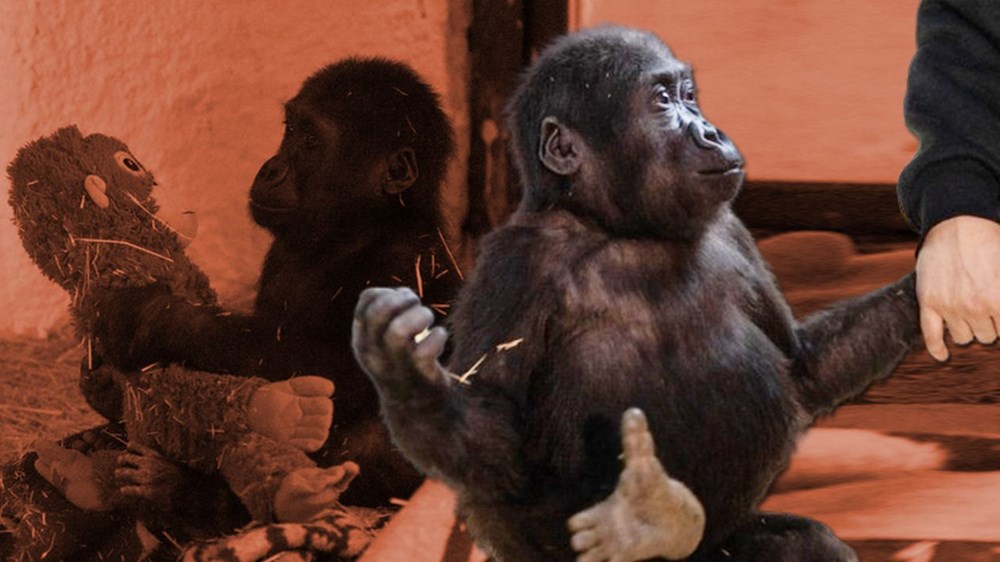
After health screenings, Zeytin was relocated to a zoological facility in Istanbul, where she received specialized care and round-the-clock supervision. In a public naming campaign, she was affectionately named “Zeytin” — the Turkish word for “olive” — symbolizing peace and resilience.
Repatriation Under CITES and Animal Welfare Guidelines
The General Directorate of Nature Conservation and National Parks (DKMP) recently announced that Zeytin’s return to Nigeria has entered its final stages. However, the relocation comes with strict conditions — she must be placed exclusively in a rehabilitation center, not in private ownership or general captivity.
In a statement from the agency:
“After a meticulous process in collaboration with the CITES Secretariat and relevant authorities, we’ve begun the repatriation procedures for Zeytin under the guarantee that she will only be cared for in a recognized rehabilitation center in Nigeria.”
The agency emphasized that animal welfare remains central throughout the operation, outlining criteria such as:
Protection from illegal trade risks
Suitable climate conditions for adaptation
Minimization of stress during travel
With these principles in mind, Zeytin will be transported by Turkish Airlines in compliance with IATA Live Animals Regulations, ensuring a safe and monitored journey to her new sanctuary.
A Wake-Up Call on Wildlife Trafficking
Zeytin’s story is just one among thousands of incidents that underscore the ongoing threat of wildlife trafficking. Gorillas, especially the Western lowland gorilla (Gorilla gorilla), are critically endangered, with populations decimated due to habitat loss, poaching, and illicit trade.
Despite global treaties like CITES (the Convention on International Trade in Endangered Species of Wild Fauna and Flora), illegal trade networks continue to exploit weak regulatory systems and porous borders. Zeytin’s interception is a rare success in the complex world of transnational wildlife crime.
Türkiye’s Role in Global Conservation
By acting decisively in Zeytin’s case, Türkiye has demonstrated its growing role in international biodiversity conservation efforts. Authorities not only ensured legal compliance but also handled Zeytin’s care with compassion and transparency.
DKMP reiterated its stance:
“We raised Zeytin with love, and now she returns to nature as a symbol of hope. Our commitment to protecting endangered species continues with unwavering determination.”
This collaborative approach — involving customs officials, veterinary teams, airline partners, and international regulators — sets an example for future responses to similar trafficking cases.
What’s Next for Zeytin?
Upon arrival in Nigeria, Zeytin will be received by a government-recognized wildlife rehabilitation center, where she will undergo a monitored reintegration process. While full release into the wild may take years or even remain out of reach, her new environment will at least offer semi-natural conditions in which to grow, socialize, and regain instincts dulled by captivity.
Specialists from both Türkiye and Nigeria are expected to collaborate on her adaptation phase, which includes behavioral assessment, dietary transition, and gradual exposure to other primates.
While Zeytin’s exact long-term future remains uncertain, what’s clear is that she will live free from the cruelty of trafficking, supported by people who respect and protect her species.