
Reinforcing Türkiye-Qatar strategic partnership
Aligning against foreign interference in Syria
Supporting Gaza ceasefire efforts led by Qatar, Egypt, and the U.S.
Addressing hard security concerns, particularly regarding northern Syria and the PKK/YPG
Promoting inclusive governance and regional cooperation through direct dialogue with Syrian leadership and Gulf partners
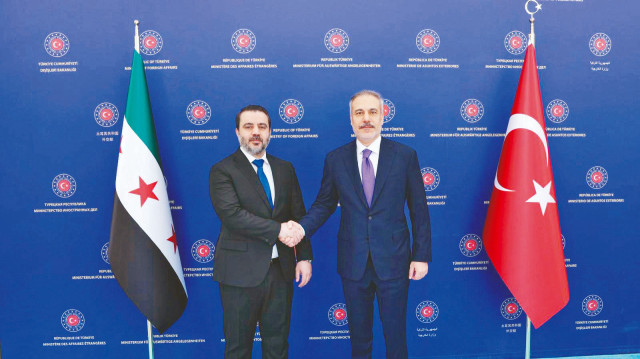
In a series of pivotal diplomatic engagements, Turkish Foreign Minister Hakan Fidan reaffirmed Türkiye’s commitment to fostering a unified, inclusive, and sovereign Syria, where all ethnic and religious groups coexist equally. Speaking alongside Syrian Foreign Minister Esad Hasan Shaybani at a joint press conference in Ankara, Fidan highlighted the need for broader international support to stabilize Syria and pointed to external forces, particularly Israel, as obstacles to peace in the region.
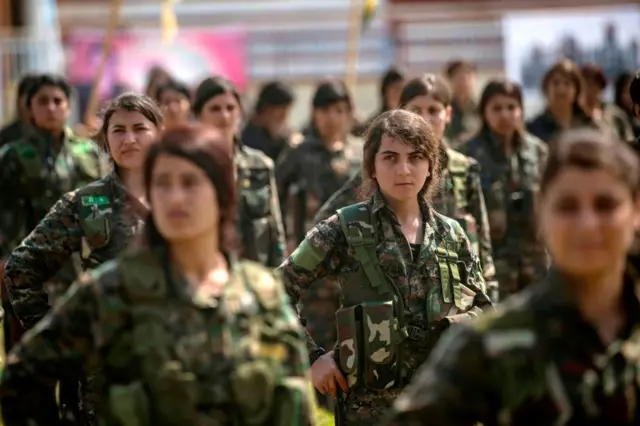
Fidan also underlined Türkiye’s unwavering security concerns regarding the PKK/YPG, noting that recent developments in Syria were becoming increasingly intolerable for Ankara.
Türkiye’s Vision for a New Syria
Fidan emphasized that Türkiye envisions a “New Syria” — one that safeguards all identities, beliefs, and cultures, ensuring equality among its people. He stated:
“The new Syria must be a homeland where all its people feel equal, where diversity is preserved, and peaceful coexistence is possible. This is the message we continue to communicate.”
Türkiye has been promoting this inclusive framework as part of its broader diplomatic strategy to help end the Syrian conflict through engagement with both the Syrian government and regional stakeholders.
External Interference and Israel’s Role
Commenting on the Suwayda incidents, Fidan pointed to Israel as a key destabilizing actor in the region. He argued that certain parties are deliberately attempting to reverse the fragile progress in Syria and that Israel’s expansionist agenda includes disrupting Syria’s internal peace processes.
“One of the main players turning progress into instability is Israel,” Fidan noted, asserting that regional peace cannot be achieved while external manipulation persists.
Türkiye’s Stance on the PKK/YPG
Addressing Türkiye’s long-standing concerns about the presence of PKK/YPG elements in Syria, Fidan issued a direct and forceful statement.
“We are reaching a point where we can no longer tolerate what’s happening. Terror group members are still entering from Türkiye, Iraq, Iran, and Europe — and they’re not leaving Syria,” he warned.
He added that there has been no reassuring development in terms of disarmament or reduction of threats posed by the YPG, particularly following key diplomatic steps like the March 10 process and other bilateral negotiations.
Fidan also rejected the notion that the group represents the Syrian people or can play a legitimate role in the future political framework of Syria.
“Let no one assume we are unaware. The group is simply waiting for the next crisis to extend its lifespan and gain leverage,” he said.
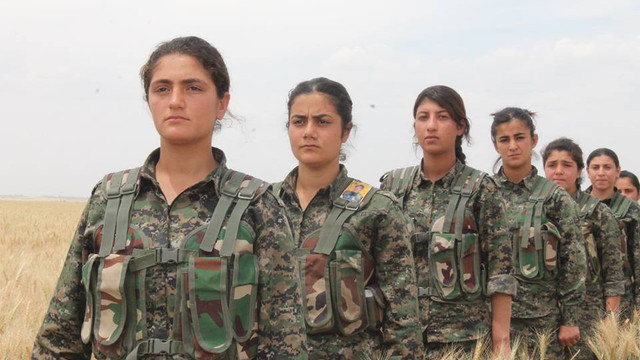
A Clear Message to the YPG
Fidan’s tone sharpened when addressing the YPG directly:
“We cannot remain passive in a situation where our national security demands are unmet. The YPG must immediately cease to be a threat to Türkiye and the region by abandoning their stockpile of foreign fighters.”
This statement reflects Ankara’s policy that any long-term resolution in Syria must account for Türkiye’s security concerns, especially regarding groups it designates as terrorist organizations.
Shaybani: Haseke Conference Does Not Represent Syrians
Syrian Foreign Minister Esad Hasan Shaybani also weighed in, emphasizing that the Haseke Conference, which aimed to integrate the Syrian Democratic Forces (SDG) — largely composed of YPG elements — into state institutions, was illegitimate and unsuccessful.
“The Haseke meeting did not represent the Syrian people. It was a failed initiative that violated the terms of state integration,” Shaybani stated.
He accused the organizers of attempting to exploit unrest in Suwayda, turning political grievances into leverage for separatist objectives.
Regional Diplomacy in Doha
Beyond the Ankara meeting, Fidan continued Türkiye’s regional diplomacy in Doha, where he held talks with Qatar’s Prime Minister and Foreign Minister Sheikh Mohammed bin Abdulrahman Al Thani.
Key agenda points included:
Türkiye praised Qatar’s mediation in the Gaza conflict and expressed readiness to support constructive peace initiatives in the region. Discussions also touched on Israel’s ongoing military actions and the necessity for progress toward a two-state solution.
Türkiye’s Dual Diplomacy: Security and Soft Power
The recent diplomatic engagements underscore Türkiye’s dual-track strategy:
By working simultaneously with the Syrian regime and Gulf actors like Qatar, Türkiye aims to position itself as both a stabilizing force and regional mediator, capable of influencing the outcome of post-conflict reconstruction in the Middle East.