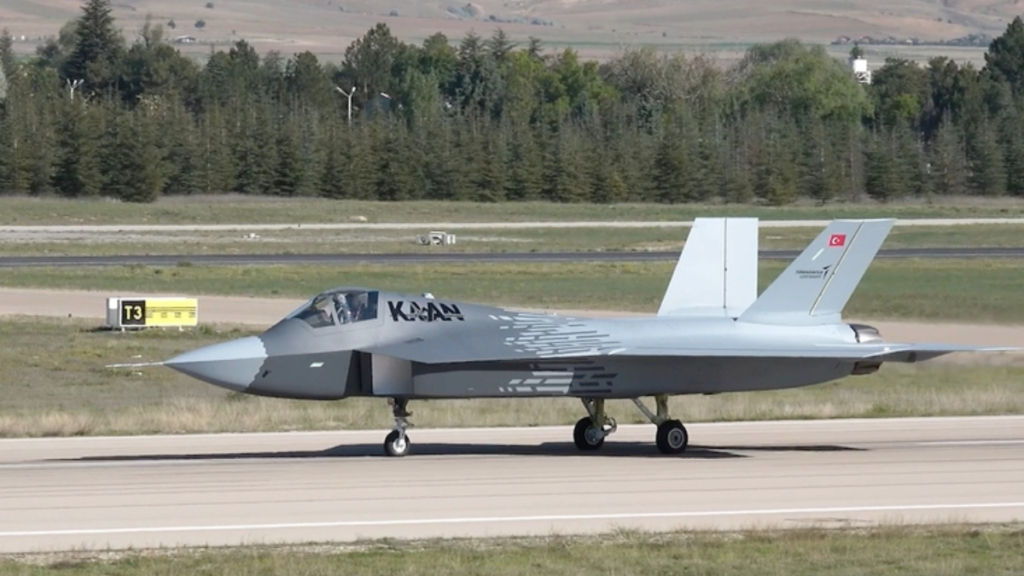

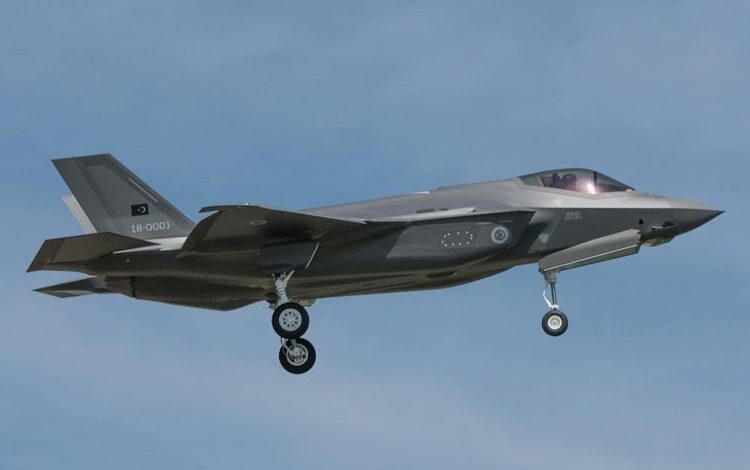
In a surprising shift, the Spanish government has reportedly halted plans to purchase F-35 fighter jets from the U.S.-based defense giant Lockheed Martin, casting doubt on a €6.25 billion investment allocated in the 2023 budget. This move, while driven by multiple factors, has opened the door to a new and unexpected alternative — Türkiye’s indigenously developed fifth-generation fighter jet, KAAN.
According to reports in the Spanish defense outlet Defensa y Seguridad, Türkiye’s KAAN has emerged as a serious and strategic contender to replace the F-35, signaling a potential deepening of military-industrial ties between Ankara and Madrid.
KAAN: More Than Just a Fighter Jet
The article, authored by Roberto Escámez, paints KAAN not merely as an aircraft but as a symbol of Türkiye’s rising technological sovereignty and ambition to become a global player in the aerospace and defense industry.
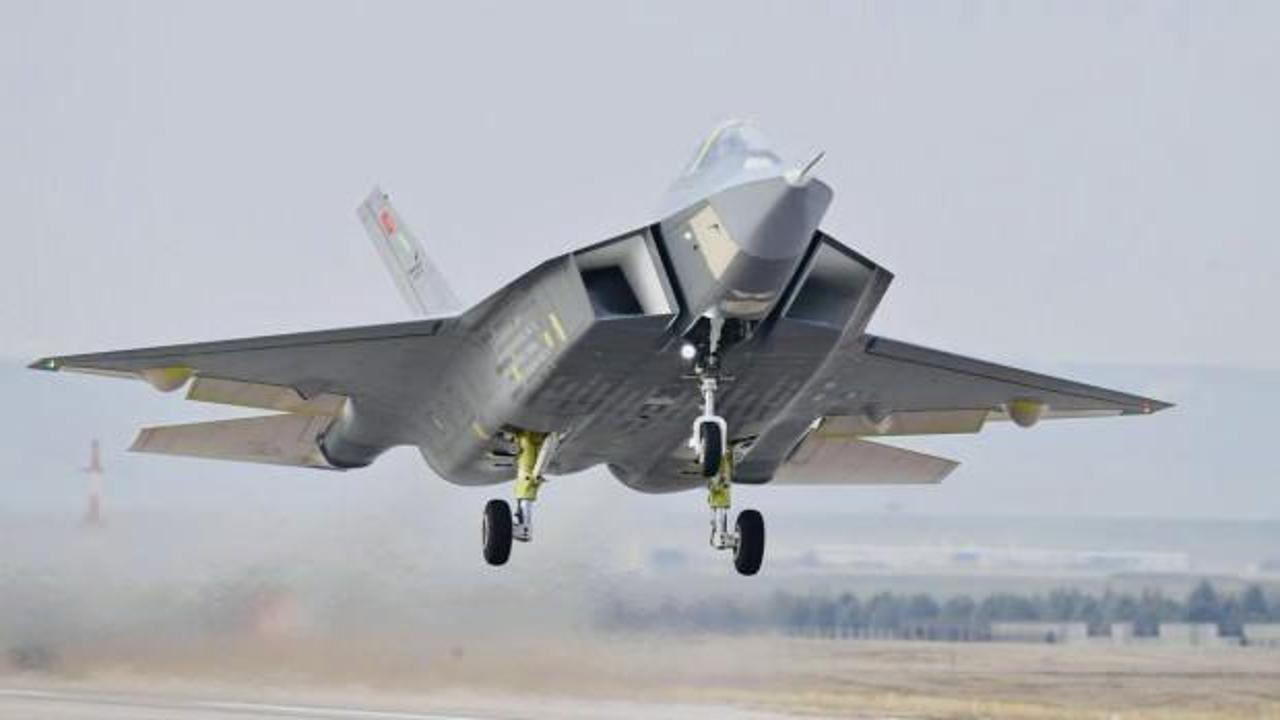
Designed by Turkish Aerospace Industries (TUSAŞ), KAAN is described as a fifth-generation, stealth, multi-role, network-centric aircraft, capable of operating in a variety of mission environments. Its competitive edge lies in features such as:
Low radar cross-section
Advanced sensor fusion
Local engine development roadmap
Compatibility with unmanned aerial systems (UAS)
Modern avionics and next-generation cockpit systems
These qualities make it a compelling alternative to Western systems, especially for countries seeking greater independence from traditional suppliers or those facing export restrictions.
Türkiye’s Strategic Rise in Defense
The Spanish article emphasizes that KAAN is not an isolated achievement but the product of Türkiye’s long-term strategic investments in its defense ecosystem. Companies like TUSAŞ, ASELSAN, and ROKETSAN are recognized as critical pillars supporting this ecosystem.
“This growth is no accident. It is the result of targeted investment, domestic capacity-building, and a focused push for self-sufficiency,” Defensa y Seguridad noted.
As Türkiye moves toward delivering a combat-ready KAAN in the coming years, its defense export profile is likely to expand. The jet represents a broader national vision — one that blends cutting-edge technology with geopolitical assertiveness.
Growing Defense Ties Between Spain and Türkiye
The possibility of KAAN entering the Spanish Air Force’s modernization plans aligns with the recent warming of defense relations between the two countries.
The article points to the Hürjet advanced trainer jet project as a successful example of joint collaboration, involving shared expertise in software development and systems integration.
“Such partnerships highlight the potential for deeper industrial cooperation in complex aerospace ventures,” the article states. “In this context, Spain’s participation in the KAAN program could offer a strategic pathway for both the Spanish Air Force and Navy.”
The implication is clear: rather than relying solely on foreign defense giants, Spain could co-develop next-gen systems with Türkiye, gaining a seat at the table in future innovation cycles.
Naval Variant of KAAN: A Game-Changer for Spain
One of the most intriguing elements raised by Defensa y Seguridad is the potential development of a naval version of KAAN, capable of operating from CATOBAR (Catapult Assisted Take-Off But Arrested Recovery) aircraft carriers.
Spain, which is actively exploring the future of its naval aviation forces, could find in KAAN’s navalized version a cost-effective and mission-tailored alternative to the F-35B.
“Joint development of a naval KAAN variant could allow both Türkiye and Spain to share R&D costs and ensure the aircraft meets the specific operational needs of the Spanish Navy,” the report suggests.
This would mark a milestone in defense cooperation, moving from trainer jets to fully operational combat systems, both in the air and at sea.
Strategic Implications for Europe and NATO
The idea of Spain choosing KAAN over F-35s — even hypothetically — would reshape the European defense landscape. It could also signal a diversification of NATO’s airpower portfolio, especially if other member states follow suit in seeking alternatives to U.S.-made platforms.
Moreover, Türkiye’s capacity to attract NATO allies into defense co-development projects would legitimize KAAN on a global stage and showcase the maturity of its aerospace industry.
In a world increasingly shaped by strategic autonomy and defense realignment, KAAN could become a flagship export product for Türkiye, rivaling the dominance of platforms like the F-35, Eurofighter Typhoon, and Rafale.