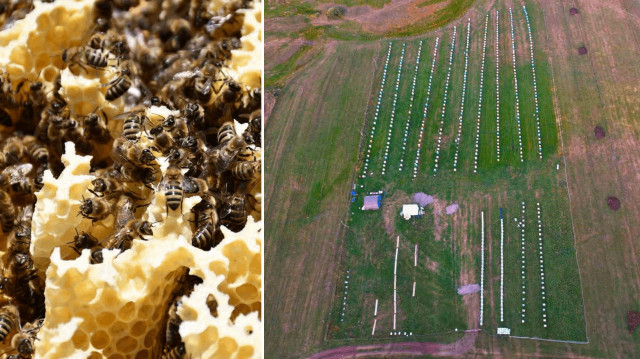

In the untouched highlands of Ardahan, where the air is crisp, the flowers are wild, and the bees are royalty, a new honey harvest season has begun—bringing with it a blend of heritage, biodiversity, and health. Ardahan honey, known for its naturally occurring sugars, minerals, vitamins, and antioxidants, is more than just a sweetener. It’s a symbol of ecological purity and a treasure born of centuries-old beekeeping practices.
This year’s harvest carries added excitement, as both production quantity and quality have exceeded expectations, according to regional experts. Produced by the Caucasian bee, a rare and genetically distinct species, Ardahan honey is once again proving its worth—not just in taste, but in health and science.
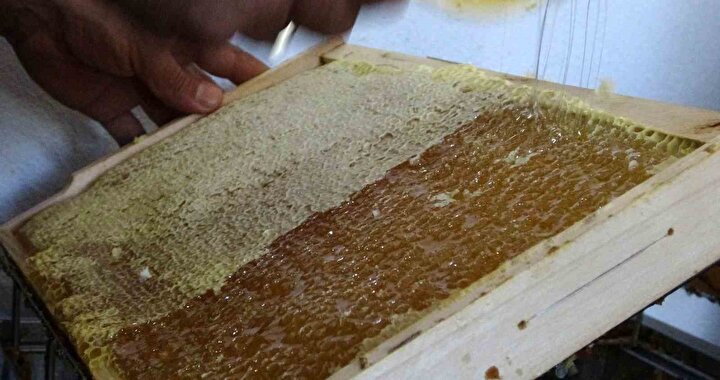
A Region of Rare Purity and Unique Flora
Situated in northeastern Türkiye, the province of Ardahan is home to an incredible array of biodiversity. With nearly 1800 plant species, many of which are endemic, the region offers a floral paradise that significantly enhances the nutritional profile and aroma of local honey. What sets Ardahan apart even further is its almost complete absence of industrial pollution, chemical fertilizers, or pesticides—conditions that are nearly impossible to find elsewhere.
The result is a honey that not only meets organic standards but surpasses them in terms of natural composition, health benefits, and ecological integrity.
Why Caucasian Bees Matter More Than You Think
At the heart of this thriving honey industry is the Caucasian bee (Apis mellifera caucasica), a species native to the region and renowned for its long proboscis, calm demeanor, and exceptional productivity in both honey and propolis. Ardahan is one of the four globally recognized genetic conservation centers for this bee species, making it a critical location for maintaining the genetic diversity of global pollinators.
Sinan Aydın, Director of the Ardahan Caucasian Bee Production and Research Center, emphasizes that Ardahan’s role as a genetic preservation site is not merely symbolic. “The region plays an active part in protecting and enhancing the traits of this valuable species,” he noted during a recent visit to a leading apiary in the Kazlıköy area.
According to Aydın, both the bee’s genetic resilience and the chemical-free environment have resulted in record-breaking production in 2025. “We’ve seen honey yields that are significantly above the national average,” he confirmed. “This year was a phenomenal season in every respect.”
From Heritage to Science: A Beekeeper’s Journey
One of the key figures contributing to the region’s success is Cüneyt Mostura, a second-generation beekeeper who turned a family tradition into a science-backed business after graduating from Ardahan University’s beekeeping program in 2010. Operating with over 1000 bee colonies, Mostura produces honey and sells bee colonies during the spring season.
“Beekeeping has always been in my blood,” said Mostura. “But I wanted to modernize our practices and make sure we were following the latest research. That’s why I pursued formal training, and now I combine tradition with technology.”
His efforts have paid off. Not only has Mostura increased production, but he has also become a mentor for new beekeepers in the region, helping to create a sustainable local economy centered around ecological agriculture.
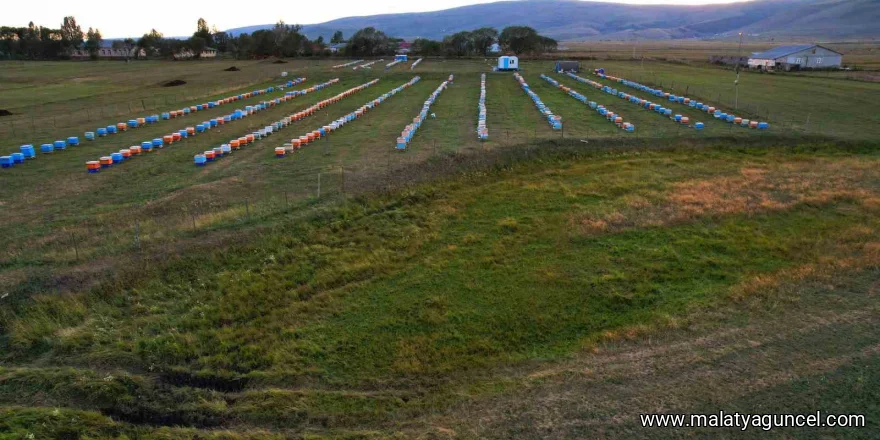
The Health Benefits of Ardahan Honey
What distinguishes Ardahan honey isn’t just its taste—it’s what’s inside. Due to the diverse plant life and the unique foraging patterns of the Caucasian bee, the honey contains:
Natural antioxidants that fight free radicals
Essential minerals like potassium, iron, and zinc
Natural enzymes that support digestion
Low glycemic index sugars, ideal for gradual energy release
Immune-boosting compounds, including traces of propolis and royal jelly
Health professionals recommend this honey not only as a dietary supplement but also as a therapeutic agent for respiratory conditions, digestive support, and general immunity. When consumed regularly, it may also aid in reducing inflammation and providing long-term cardiovascular benefits.
Sustainable Harvesting and Ethical Beekeeping
What makes this story truly remarkable is the commitment to sustainability. The Ardahan Beekeeping Research Center regularly visits local producers during harvest season to ensure ethical practices are being followed. These include:
Avoiding overharvesting to allow bees to retain enough honey for winter
Monitoring for diseases without using synthetic treatments
Rotating hives to maintain floral diversity
Ensuring traceability and transparency in packaging
This scientific oversight helps maintain not only product quality but also the long-term ecological health of the region.
A Record-Breaking Year for Turkish Beekeeping
According to the center’s 2025 projections, Ardahan has surpassed its annual targets in both honey yield and bee health, making it a standout performer in Türkiye’s apicultural sector. Experts cite a combination of favorable weather, healthy bee colonies, and well-preserved flora as contributing factors.
This performance is crucial for Türkiye as a whole, which ranks among the top global producers of honey but often struggles with consistency in quality and environmental sustainability. Ardahan, in this context, serves as a model for how local, eco-friendly agriculture can compete on the international stage.
The Future of Ardahan Honey on Global Shelves
With international demand for organic and specialty honeys rising, Ardahan’s golden nectar is now finding its way onto global shelves. Exporters have begun labeling it with Protected Geographical Indication (PGI) certification, a mark that enhances consumer trust and protects the region’s intellectual property.
Industry insiders predict that with appropriate branding and logistics support, Ardahan honey could soon become Türkiye’s flagship agricultural export, comparable to the country’s olive oil or hazelnuts.
Empowering the Next Generation
As climate change threatens bee populations globally, regions like Ardahan are more important than ever. By investing in research, education, and ethical practices, the province is preparing the next generation of environmentally conscious beekeepers.
Educational programs, government support, and EU-aligned certifications are all part of this vision, ensuring that the sweet taste of Ardahan honey continues to flow—sustainably, responsibly, and deliciously.