
Nestled between the provinces of Konya and Isparta, Beyşehir Lake has long been celebrated not just for its beauty, but also for its vital role in agriculture, biodiversity, and regional water supply. As Türkiye’s largest freshwater lake, spanning an area of 656 square kilometers, it has served generations as a source of irrigation, drinking water, fishing, and eco-tourism.
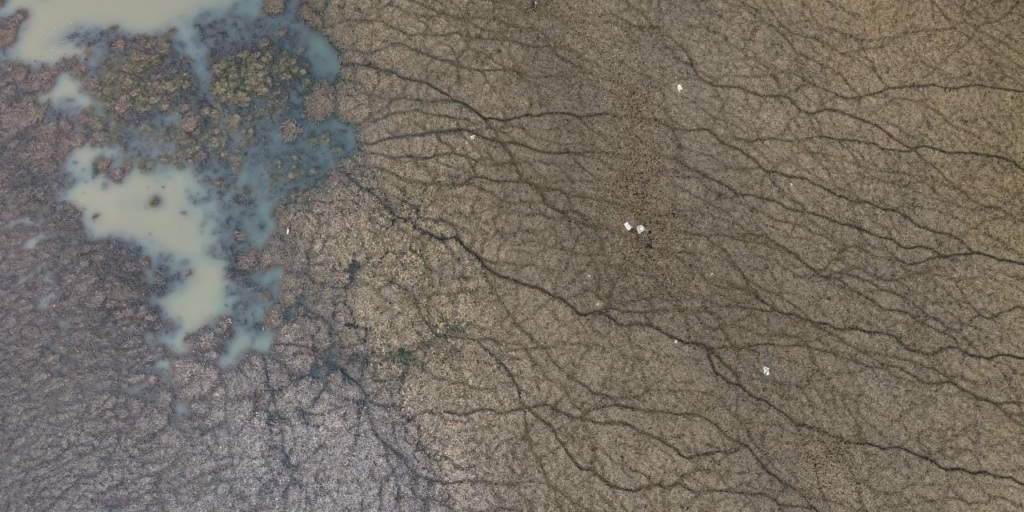
However, what was once a shimmering expanse of blue is now rapidly retreating. With shorelines pulled back by as much as 300 to 1500 meters in some locations, large swaths of the lakebed are now dry, cracked, and covered in grazing livestock rather than fish or boats.
An Ecological and Economic Collapse in Motion
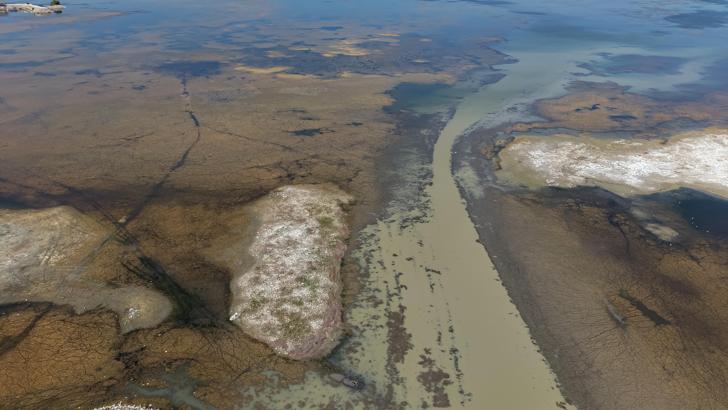
The consequences of this dramatic shrinkage are already rippling across the region. Fishing boats sit idle, their access to deeper water blocked by emergent vegetation and muddy terrain. Tourist tours have ceased, and even agricultural irrigation—once sustained by the lake via Çarşamba Stream—has been halted in many areas.
“We can no longer cast our nets. Beyşehir Lake is dead,” said Hasan Kurt, President of the Beyşehir Fisheries Cooperative, in a powerful and emotional statement. “This is not just an ecological loss. It’s a collapse of local livelihoods, of heritage, of balance.”
Water Withdrawals and Climate Pressure Intertwine
While climate change is undoubtedly a significant factor—with rising temperatures and decreasing rainfall across Central Anatolia—it is far from the only one. Experts and local leaders point to a series of man-made interventions that have choked the lake’s natural water supply.
“Numerous irrigation dams and reservoirs have been built on the rivers and streams that once fed Beyşehir Lake,” Kurt explained. “We’re not against development. But when you create solutions for one area by crippling another, it’s not progress—it’s negligence.”
Indeed, while Türkiye has made significant strides in water infrastructure, this case highlights a lack of holistic planning. The very resources meant to support agriculture have, ironically, helped to destroy one of the region’s primary water sources.
From Wetlands to Wasteland: How the Landscape Is Changing
Beyşehir’s transformation is visible not only from satellite images, but to anyone walking the once-wet shores. Where fishermen used to launch their boats, there are now makeshift pastures. Cattle graze on what used to be aquatic habitat, and small islands have formed where continuous water coverage once stood.
According to local residents, the speed of the decline has accelerated sharply over the last three years. What was once a gradual process of retreat is now being described as a collapse in real-time.
Kurt painted a bleak picture of the near future: “Soon, we may open our taps and see only sludge and sediment. The lake is now only being used for drinking water, but even that may not last more than a few months.”
Drinking Water Under Threat
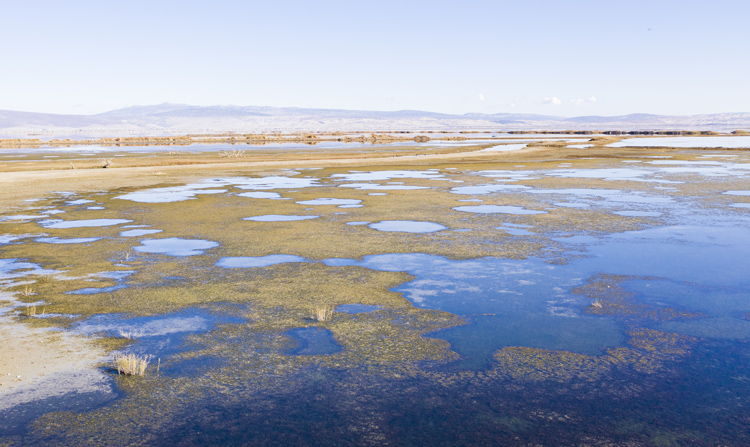
One of the most alarming implications of Beyşehir’s degradation is the threat to clean drinking water. As the lake’s volume decreases and the remaining water becomes more stagnant, concerns about water quality and contamination are increasing.
The possibility of algae blooms, bacterial contamination, and chemical concentration is no longer hypothetical. Residents are already reporting changes in taste and clarity. If the current trend continues, local officials warn that tap water may become unsafe within a matter of months.
Proposed Solution: Redirecting Akçay Waters
Amid growing desperation, a potential solution has emerged—but it requires swift and coordinated action. According to Hasan Kurt, a stream known as Akçay, located roughly 36 kilometers from the lake, currently flows unused into the landscape. Redirecting this water to feed Beyşehir could provide a lifeline.
“This is not just a pipe dream,” said Kurt. “It’s feasible, cost-effective, and urgently needed. With a proper master plan, a government-backed proposal, and parliamentary approval, we could revive this lake and save an entire region from irreversible collapse.”
Local environmental groups, engineers, and some municipal leaders have expressed support for the project, urging Türkiye’s national water and environment authorities to prioritize Beyşehir’s restoration in the coming legislative session.
A Community in Decline
Beyond the ecological loss, the lake’s deterioration is triggering widespread economic hardship. Hundreds of families dependent on fishing, tourism, or irrigation farming are facing the loss of their only income sources.
Once a hotspot for nature lovers, bird watchers, and recreational boaters, Beyşehir has seen a sharp drop in tourism revenue. Businesses that once thrived on the lakefront—cafés, boat rental companies, fish markets—are now shuttered or barely operating.
Local agriculture is suffering as well. Fields once irrigated by the lake now lie dry and unproductive. Farmers are forced to rely on deeper wells and pumping systems, further accelerating groundwater depletion.
A Warning for Türkiye’s Water Future
Beyşehir is not an isolated case. Across Türkiye, numerous lakes, wetlands, and rivers are facing similar threats from climate shifts, overuse, and poor planning. The story unfolding in Beyşehir may very well be a harbinger of future crises if bold reforms are not implemented.
Water experts and NGOs are calling for a national water strategy that includes:
Mandatory environmental impact studies before dam construction
Restoration of dried watercourses and wetlands
Sustainable agricultural practices
Investments in water recycling and rainwater harvesting
Local community involvement in conservation efforts
A Call for Immediate Action
If Türkiye wishes to preserve not only its biodiversity but also the wellbeing of its rural populations, Beyşehir must become a national priority. The lake is more than a body of water—it’s a cultural icon, an economic engine, and a natural defense against climate stress.
The longer action is delayed, the harder—and costlier—it will become to reverse the damage. But with the right vision, engineering, and policy commitment, Beyşehir Lake can still be saved.