
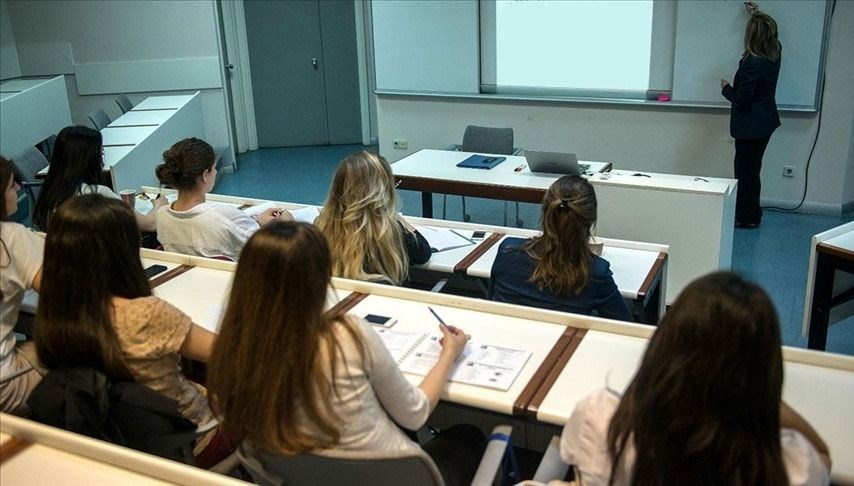
Tuition fees at private universities in Türkiye continue to climb sharply, placing a heavy burden on families and students. For the 2025–2026 academic year, some of the most prestigious institutions, including Koç and Sabancı universities, have set annual tuition fees surpassing 1.5 million Turkish lira. This dramatic escalation is prompting renewed discussions about whether studying abroad might present a more affordable and advantageous alternative.
Record Fees at Leading Turkish Universities
According to recent figures, Sabancı University tops the list with an annual fee of 1.595 million TL, followed closely by Koç University at 1.590 million TL. Other major private institutions also report soaring costs: Özyeğin University charges 1.385 million TL, Bahçeşehir University 1.334 million TL, and Kadir Has University 1.230 million TL.
Further down the list, Istanbul Bilgi University charges 1.190 million TL, Yeditepe University 1.127 million TL, Başkent University 970,000 TL, Bilkent University 950,000 TL, and Istanbul Ticaret University 665,000 TL. All of these figures represent tuition without scholarships, underscoring the full financial burden for families.
For many households, such costs exceed sustainable levels. Even for middle- to high-income families, the rapid annual increases make it challenging to plan long-term education budgets.
Comparison with the United Kingdom
When compared with tuition in the United Kingdom, Türkiye’s figures appear strikingly high. In the UK, undergraduate tuition fees for comparable programs in business and psychology typically range between £10,500 and £13,700 annually. At current exchange rates, this equals between 582,000 TL and 760,000 TL—less than half the price of many private universities in Türkiye.
Some UK examples include:
Buckinghamshire New University – £10,500 (≈ 582,000 TL)
York St John University – £10,750 (≈ 596,000 TL)
Leeds Trinity University – £12,000 (≈ 665,000 TL)
Queen Margaret University – £12,000 (≈ 665,000 TL)
Plymouth University – £12,500 (≈ 693,000 TL)
Leeds Beckett University – £13,000 (≈ 721,000 TL)
University of West London – £13,000 (≈ 721,000 TL)
University of Stirling – £13,200 (≈ 732,000 TL)
University of the West of Scotland – £13,350 (≈ 740,000 TL)
University of Bolton – £13,700 (≈ 760,000 TL)
Even the highest UK tuition rates remain lower than many Turkish private universities. For students weighing options, this contrast is becoming impossible to ignore.
Why Families Are Considering Overseas Study
The financial advantage of studying abroad is not limited to tuition alone. While additional costs such as housing and travel exist, the overall financial package in countries like the UK can still be more manageable. Exchange rate fluctuations, combined with scholarship opportunities and part-time work possibilities, make foreign education even more attractive.
Beyond cost, overseas universities often provide broader academic opportunities. Internationally recognized diplomas, access to global research networks, and enhanced career prospects make the UK and other countries appealing destinations. Many Turkish students already benefit from these opportunities, securing internships and jobs in multinational corporations that might be less accessible through domestic programs.
Cultural and Professional Benefits
Studying abroad offers more than financial relief—it also delivers long-term cultural and professional advantages. Students gain language skills, exposure to diverse cultures, and the chance to build international networks. These experiences translate into significant professional benefits, particularly in a globalized economy where employers value cross-cultural competence and adaptability.
For many families, investing in overseas education is no longer viewed as a luxury but as a strategic decision for long-term career growth. The return on investment often justifies the cost, especially when compared to the mounting financial pressures of private universities in Türkiye.

The Growing Debate in Türkiye
The contrast between local and international tuition fees is fueling a broader debate within Türkiye’s education sector. Critics argue that private universities have raised fees disproportionately without offering corresponding improvements in academic quality or student services. Some parents also express concern that scholarships are limited and fail to address the realities of middle-class families who fall between eligibility for aid and the ability to pay full tuition.
Meanwhile, advocates for domestic institutions emphasize the convenience of studying in Türkiye, family proximity, and cultural familiarity. However, with costs now exceeding those of internationally respected universities abroad, the argument for staying local is losing ground.
A Shift in Student Preferences
Educational consultants report a noticeable increase in inquiries from Turkish families exploring study-abroad options. The UK remains a top choice, but interest is also rising in other destinations such as Germany, the Netherlands, Canada, and the United States.
Agencies assisting with international education highlight that students are increasingly motivated not only by cost but also by the opportunity to gain global exposure and qualifications that carry weight across multiple countries. As Türkiye’s tuition fees continue to escalate, this trend is likely to accelerate further in the coming years.
Long-Term Implications for Türkiye’s Education System
If the pattern persists, Türkiye may face a brain drain as more students pursue degrees abroad and choose to remain overseas after graduation. This would not only impact domestic universities financially but also affect the country’s broader workforce and innovation potential.
Some experts suggest that unless private universities in Türkiye introduce more accessible pricing structures and expand scholarship offerings, they risk losing their competitive edge. The government may also need to step in with policy measures to balance affordability and maintain academic competitiveness.
Editor’s Note: The rising cost of private university education in Türkiye is reshaping how families think about higher education. With UK universities offering globally recognized degrees at half the cost, the shift toward overseas education appears increasingly rational. Whether Türkiye’s institutions will adapt to this reality remains to be seen, but the debate underscores the urgent need for solutions.