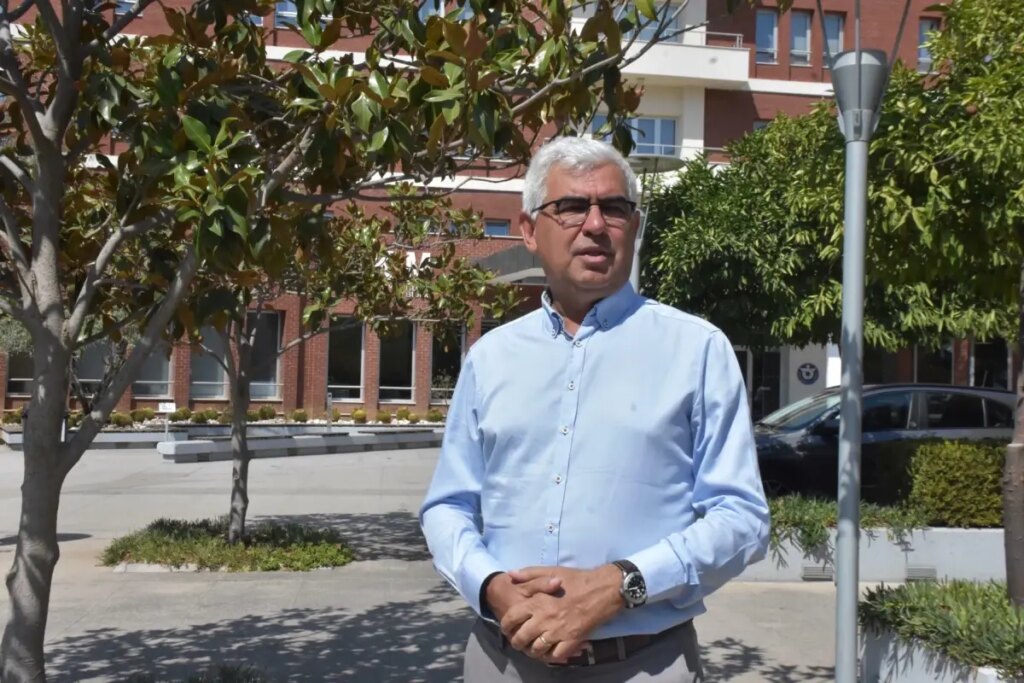

Türkiye has been experiencing a record-breaking rise in temperatures, with experts warning of serious health risks and higher mortality rates linked to extreme heat. According to Prof. Dr. Oğuz Kılınç from İzmir University of Economics (İEÜ) Faculty of Medicine, heat has become a measurable risk factor for death, especially in urban areas where the impact of climate change is most visible.
Prof. Kılınç, a pulmonologist and tuberculosis specialist, emphasized that the world’s average temperature is climbing due to global climate change, and Türkiye is no exception. “The Earth’s fever is rising, and it is reflected in statistics,” he said. Data shows that in July 2025, İzmir recorded temperatures exceeding 40 degrees Celsius on 11 occasions, five of them consecutively. By contrast, in the previous 40 years, such temperatures were recorded only twice consecutively.

Mortality Rates Rising Sharply
Citing data analyzed by statistician Güçlü Yaman from the Turkish Medical Association’s Pandemic Working Group, Prof. Kılınç highlighted a dramatic increase in deaths. “Mortality in İzmir has risen by 55 percent compared with the pre-pandemic period. When we consider that high temperatures are a proven risk factor for mortality, it is reasonable to link the rise in deaths in the city to the rising temperatures,” he explained.
This trend is not unique to İzmir but reflects a broader global concern where climate change is intensifying the frequency and severity of heatwaves, with direct consequences for human health.
Who Is Most at Risk?
Prof. Kılınç stressed that not all populations face equal risk from extreme heat. Elderly individuals and those with chronic health conditions are particularly vulnerable.
Chronic patients at risk: Individuals with heart disease, lung conditions, diabetes, or kidney problems should take extra precautions.
Elderly populations: Mortality risk rises after the age of 65, and it becomes even higher in those over 80.
“Older adults should avoid being outdoors between 10:00 and 19:00 on extremely hot days. If they must go outside, they should return to safe environments as soon as possible. Staying in a climate-controlled indoor environment with an average temperature of around 24 degrees is essential,” he advised.
Extreme Heat as a Public Health Crisis
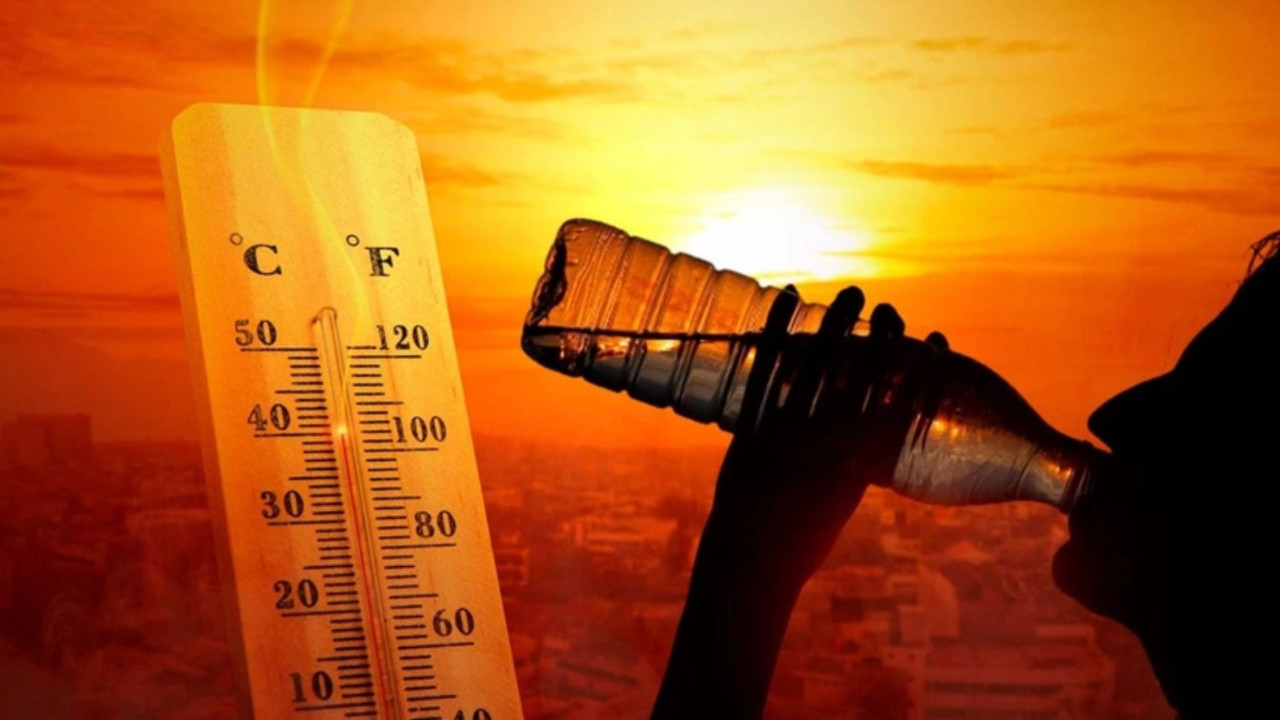
Medical experts increasingly frame extreme heat not only as an environmental issue but as a public health crisis. Heat-related illnesses such as dehydration, heatstroke, and respiratory complications can escalate quickly, especially among vulnerable groups.
Hospitals often see a rise in admissions during heatwaves, while city infrastructure such as energy and water supply is also strained. Urban heat islands—where concrete and asphalt trap heat—make conditions in cities even more dangerous.
The Call to Reduce Carbon Footprints
Addressing the root causes of rising temperatures, Prof. Kılınç pointed to the urgent need for action on greenhouse gas emissions. “We must reduce carbon dioxide emissions. Industrial activity, exhaust gases, and air transportation all contribute to the problem. Everyone, from individuals to governments, must develop strategies to reduce their carbon footprint,” he stated.
He stressed that climate change mitigation cannot be left to individuals alone. “This is not a battle one person can fight by themselves. It requires coordination through organizations like the World Health Organization, in collaboration with national ministries of health, to turn plans into action without delay.”
How Individuals Can Protect Themselves
While systemic change is essential, individuals can take practical steps to reduce the risks posed by extreme heat:
Stay hydrated and avoid alcohol or caffeine during heatwaves.
Remain indoors in cool, shaded, or air-conditioned environments during peak hours.
Wear light, breathable clothing.
Check on elderly relatives or neighbors during hot spells.
Use energy efficiently at home to help reduce emissions.
Broader Implications for Türkiye
Türkiye’s rising heat levels not only affect health but also have implications for agriculture, water resources, and urban planning. Crops are more vulnerable to droughts, cities face higher energy demands for cooling, and water shortages could become more frequent.
Experts argue that Türkiye needs comprehensive strategies that integrate environmental, health, and infrastructure policies. Reducing emissions, expanding green spaces in cities, and developing public awareness campaigns about heat-related health risks are key steps.
Editorial Perspective
The warnings from İzmir reflect a nationwide and global reality—climate change is no longer a distant threat but a present-day crisis with direct effects on public health. The 55 percent rise in mortality in İzmir should serve as a wake-up call for policymakers and citizens alike.
Heatwaves are not just uncomfortable weather patterns; they are silent killers, particularly for society’s most vulnerable groups. By acknowledging heat as a serious health risk and taking coordinated action on emissions and adaptation, Türkiye can better protect its citizens from the deadly consequences of a warming planet.