
The city of Bursa, home to over 3.2 million residents, is facing a severe water shortage crisis, with officials warning that the city has only 35 days of drinking water remaining. The alarming announcement comes as water levels in the region’s main reservoirs have plummeted due to prolonged drought and rising temperatures.
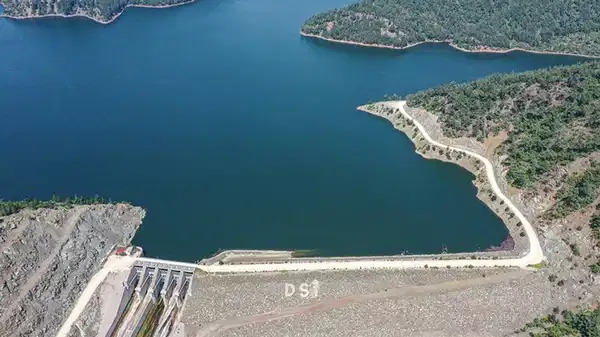
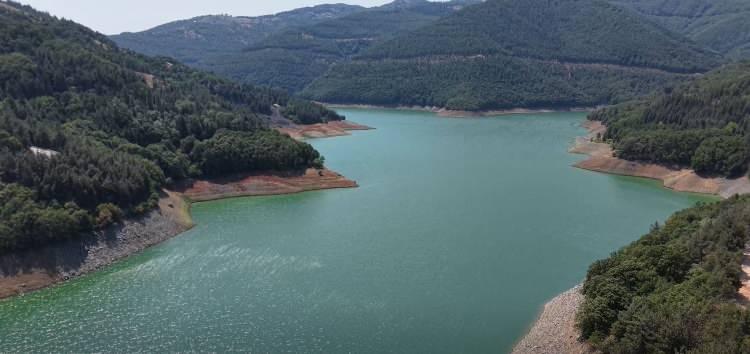
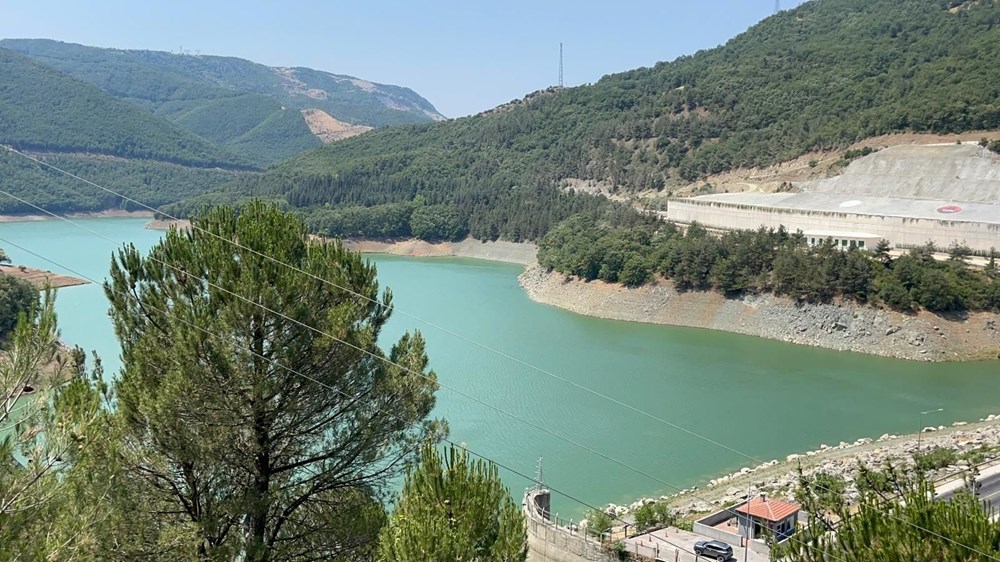
According to data shared by local authorities, the Doğancı Dam, which has a reservoir capacity of 2.5 million cubic meters and supplies the bulk of the city’s water, has dropped to just 19.16 percent capacity. Meanwhile, the Nilüfer Dam, which began operating in 2007 with a 60 million cubic meter capacity, has completely dried up. Drone footage revealed deep cracks in the exposed soil of the dam’s basin, symbolizing the severity of the crisis.
BUSKİ’s Water Supply and Usage
The Bursa Water and Sewerage Administration (BUSKİ), which has over 1.56 million subscribers, reported that during the second quarter of the year (April to June), it distributed 530,000 cubic meters of water to the city. With demand continuing to rise during the hot summer months, the available reserves are under immense pressure.
Bursa Mayor Mustafa Bozbey explained that immediate measures are being implemented but stressed that time is running out. “Our city has only 35 days of water left. Starting from September 1, we will begin transferring water from the newly built Çınarcık Dam to the Doburca treatment facility through the bypass line we constructed. This system will provide 110,000 cubic meters of water daily. We will open the valve together with our Governor Erol Ayyıldız. But even with this transfer, I urge Bursalı residents to conserve water.”
Emergency Solutions: Çınarcık Dam to the Rescue
The Çınarcık Dam bypass line is expected to temporarily ease the crisis by injecting new reserves into the city’s water network. However, experts warn that such measures can only provide partial relief if consumption habits remain unchanged.
Bozbey stressed the urgency of conservation efforts:
“We must not abandon water-saving habits. Our earlier calls for responsible use were heeded by many residents, and now we once again call on all Bursalı citizens. Even with new water coming from Çınarcık, the risk remains if we do not act responsibly.”
Drought and Climate Change Behind the Shortage
Meteorological data shows that 2025 has been one of the driest years in recent memory for northwestern Türkiye. Rising temperatures linked to climate change have accelerated evaporation rates, while reduced rainfall has limited the replenishment of reservoirs.
Experts highlight that Bursa’s crisis is not an isolated event but part of a nationwide pattern. Several cities across Türkiye, including Ankara, İzmir, and Konya, have reported critically low dam levels in recent summers. The drying up of Nilüfer Dam, less than 20 years after its construction, demonstrates how quickly changing climate conditions can undermine infrastructure designed for long-term water security.
The Human Impact
The looming shortage affects not only households but also industries, agriculture, and daily urban life. Bursa, known as one of Türkiye’s industrial hubs, relies heavily on stable water supplies for production. Any disruption could have economic consequences in addition to public health risks.
Residents have already begun to express concern. Some worry about interruptions in household water supply, while others fear that rising costs could be passed on to consumers if emergency measures increase operational expenses. Farmers near the city also fear crop damage if the shortage persists into the autumn.
The Call for Conservation
Officials have launched campaigns to remind residents about practical water-saving steps:
Shorter showers and reduced use of water-intensive appliances.
Fixing leaks promptly to prevent unnecessary losses.
Avoiding car washing and lawn watering during the crisis period.
Recycling and reusing water where possible.
By collectively reducing consumption, even small actions can extend the city’s reserves and buy valuable time as new water sources are connected.
Long-Term Solutions Needed
While immediate measures like the Çınarcık bypass provide short-term relief, experts argue that Bursa and Türkiye as a whole must adopt long-term strategies to address recurring water shortages. These may include:
Expanding reservoir capacity and diversifying supply sources.
Modernizing water infrastructure to reduce leakage, which accounts for significant losses.
Investing in wastewater treatment and reuse, especially for industrial use.
Implementing stricter conservation policies during drought years.
Promoting awareness and education to embed water-saving practices into daily life.
Without such measures, the combination of urban growth, industrial demand, and climate change could make water shortages a regular feature of city life.
Editorial Perspective
Bursa’s crisis is a stark reminder of how climate change and unsustainable consumption patterns can converge to create immediate threats to daily life. The image of a dried Nilüfer Dam basin, cracked and barren, should serve as a wake-up call not only for local residents but for all of Türkiye.
While emergency measures will keep the taps flowing in the short term, lasting security will only come from collective responsibility—governments planning for resilience, industries investing in efficiency, and citizens making water conservation a daily habit. The next 35 days will be a test, but the greater challenge is ensuring that such warnings do not become annual occurrences.