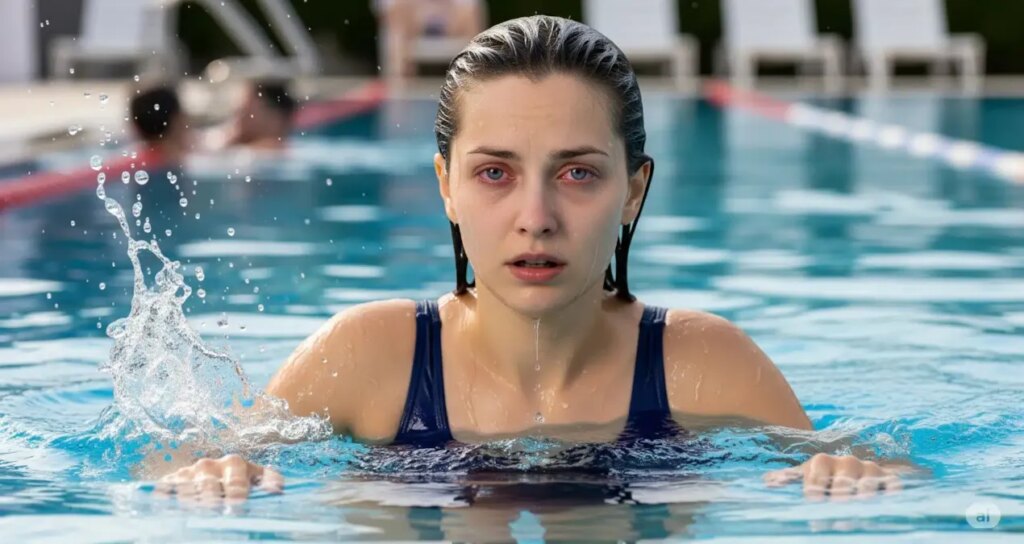

As summer heat drives families to pools and beaches, health experts are warning parents about the increased risk of eye problems in children, particularly the condition commonly known as red eye. According to Prof. Dr. Sevil Karaman, prolonged exposure to chlorinated pool water or seawater, combined with strong sunlight, can trigger infections and allergies in young swimmers. She emphasized that the best protection is consistent use of well-fitted, UV-protective swimming goggles along with proper post-swimming hygiene.
Karaman highlighted that eye infection in children often spikes during vacation months, when both pool and sea usage are at their peak. While red eye may seem like a minor irritation, it can sometimes indicate more serious infections or allergic reactions. Awareness and preventive steps, she explained, are crucial for keeping children’s eyes healthy throughout the summer.
Why Red Eye Risk Increases in Summer
The warm months create ideal conditions for bacteria and viruses to thrive in shared swimming areas. Pools, even when chlorinated, are high-risk environments due to heavy use. The sea, though often considered cleaner, also carries microorganisms and irritants that can affect the eyes. Children, who tend to spend more time underwater and may be less cautious about rubbing their eyes, face a higher vulnerability.
Prof. Dr. Karaman explained that swimming without proper eye protection allows microorganisms to directly contact the sensitive eye surface. Additionally, ultraviolet rays from sunlight add another layer of risk, potentially causing irritation, sunburn on the eyes, or long-term damage to vision.
The Role of Swimming Goggles
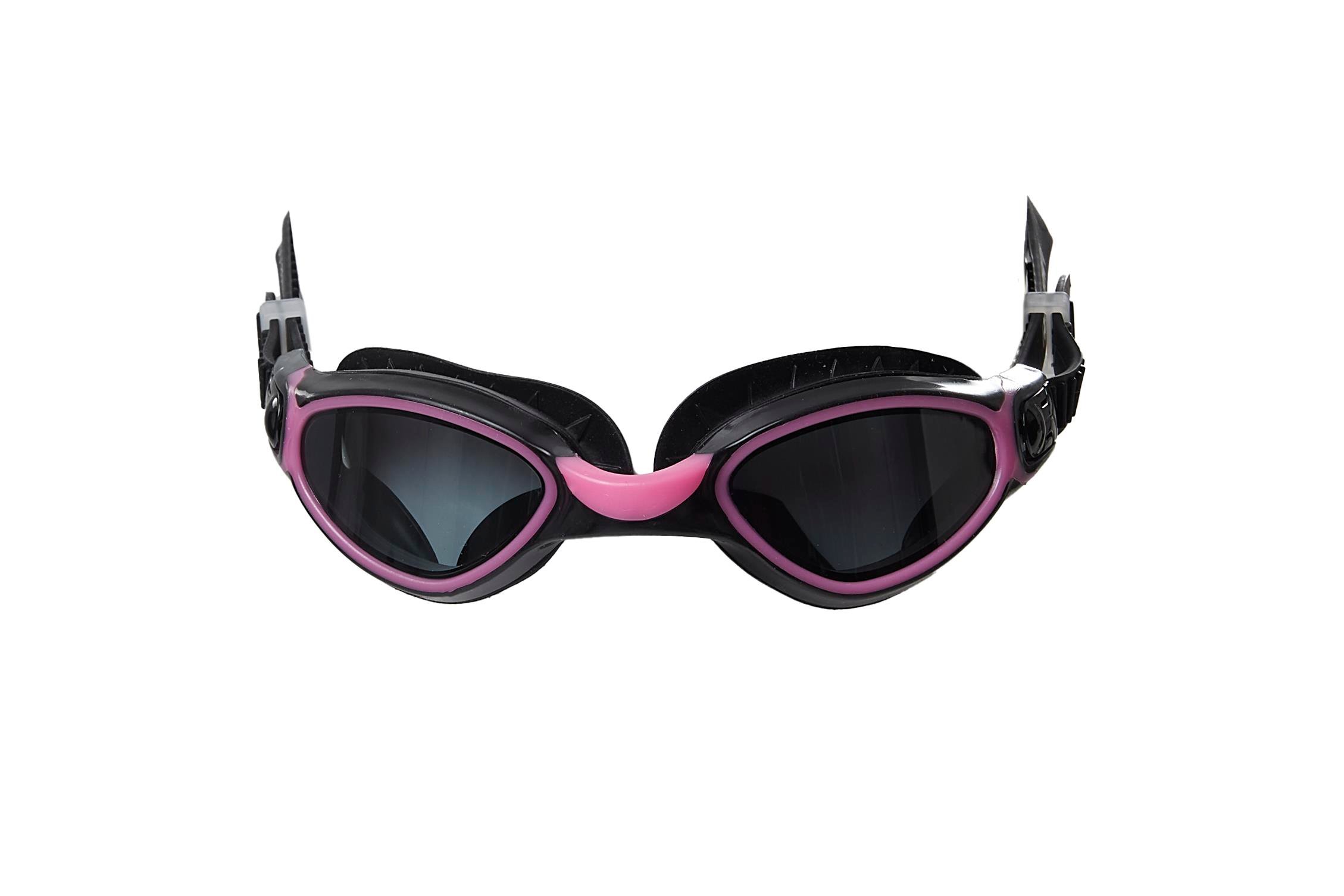
One of the most effective ways to reduce red eye risk is by using swimming goggles that fit a child’s face properly. Karaman stressed that goggles should neither be too tight nor too loose. A snug but comfortable fit ensures that water does not leak into the eyes while allowing the child to wear them for extended periods without discomfort.
Equally important is the UV protection feature. Many parents assume that goggles are only needed in chlorinated pools, but Karaman underlined that they are essential in the sea as well. “Yes, the sea may seem cleaner, but it still contains bacteria. Protection is needed everywhere,” she noted. High-quality goggles should combine physical shielding from water with UV filtering lenses to guard against sunlight exposure.
Post-Swimming Care for Healthy Eyes
Protective gear is only part of the solution. After swimming, children’s eyes should always be rinsed gently with clean water to remove chlorine, salt, or debris. This simple step reduces irritation and minimizes the chance of infection taking hold.
Parents are also advised to monitor for persistent redness, discharge, or complaints of itching and pain. While some redness is temporary and harmless, lingering symptoms may require medical evaluation. “Not every case of eye redness is due to infection or allergy,” Karaman explained. “A doctor can make the distinction and provide appropriate treatment, often with specialized eye drops.”
UV Sunglasses Provide Additional Protection
Beyond swimming goggles, Karaman recommended that children also use UV-protective sunglasses when not in the water. Playing on the beach or running around pool areas still exposes the eyes to strong sunlight. Having sunglasses ready ensures continuous protection from harmful rays, even when the swimming goggles are off.
UV sunglasses are particularly important for children, whose developing eyes are more sensitive to light exposure. Long-term, unprotected exposure can contribute to cataracts and other vision problems later in life. By making sunglasses a normal part of beachwear, parents can instill healthy habits early.
Signs Parents Should Watch For
Parents should remain vigilant for symptoms that indicate a developing eye problem. Warning signs include:
Redness that does not fade after a few hours
Excessive tearing or watery eyes
Discomfort, burning, or persistent itching
Sensitivity to light
Swelling around the eyes
Visible discharge or crusting
If these symptoms appear, immediate consultation with an ophthalmologist is recommended. Quick treatment can prevent complications and bring relief to the child.
Common Misconceptions About Pool and Sea Water
One of the frequent mistakes parents make is assuming that seawater is naturally safe for the eyes. While seawater does contain minerals that can feel soothing, it also harbors bacteria and microorganisms, especially in crowded beaches. Similarly, some parents believe that chlorinated pool water is sterile. In reality, chlorine reduces but does not eliminate all risks. Combined with the irritation chlorine itself causes, pool water remains a primary source of eye redness.
Karaman advised families not to underestimate either environment. Consistent use of goggles with UV protection, combined with aftercare, remains the safest approach.
Why Children Are More Vulnerable
Children are particularly at risk for eye problems during swimming activities for several reasons. Their immune systems are still developing, making them less capable of fighting off bacterial or viral infections. They also spend more time actively playing in the water, often submerging their heads repeatedly and rubbing their eyes with unwashed hands. These habits increase both exposure to pathogens and the likelihood of irritation.
Furthermore, children may not always communicate discomfort effectively. A mild irritation could be ignored until it worsens, leading to more serious conditions. For this reason, preventive measures become even more important for young swimmers.
Creating Safe Summer Habits
Parents can minimize risks by establishing a consistent routine whenever children are near water. Essential steps include:
Ensuring swimming goggles are worn at all times during pool or sea activities
Rinsing eyes with clean water immediately after swimming
Encouraging children not to rub their eyes with wet or sandy hands
Keeping UV sunglasses handy for beachside play
Consulting a doctor promptly if unusual symptoms persist
These simple practices can go a long way in preventing infections and maintaining eye health.
A Reminder for the Summer Season
As Prof. Dr. Karaman emphasized, eye health is often overlooked in summer safety checklists that focus on sunscreen and hydration. Yet eye infection in children can disrupt vacations, cause discomfort, and in some cases lead to more severe conditions. With the right preventive tools—UV-protective swimming goggles, regular rinsing, and timely medical advice—parents can ensure their children enjoy the water safely.
With pool and beach visits likely to remain high throughout the hot months, raising awareness about red eye risk and protective measures is crucial. Families who make eye safety a priority will find their children better protected against seasonal threats while forming habits that safeguard their vision for years to come.